Beijing / Local Culture
Beijing at Spring Festival: Temple Fairs, Lanterns and the City's Loudest Traditions
Spring Festival is when Beijing becomes most theatrical in public. Temple fairs, lanterns, folk snacks, Lord Rabbit figures, sugar paintings, lion dances, park crowds, and new Chinese-style pop-ups turn the city into something warmer and louder than its imperial stone image. It is crowded, yes. It is also one of the best times to feel Beijing as a living tradition rather than a museum label.
Why temple fairs are worth the crowd
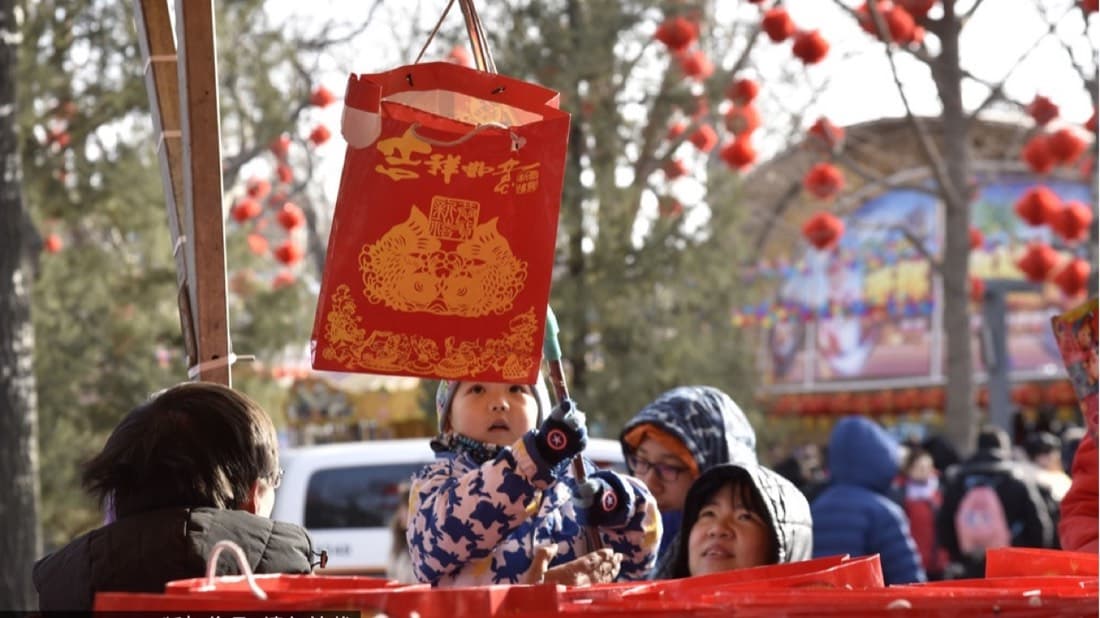
A Beijing temple fair is not a quiet cultural exhibit. It is a collision of snacks, games, folk crafts, performances, families, red decorations, loudspeakers, queues, and people taking photos of everything. For a Western visitor, that density can be more memorable than another formal monument.
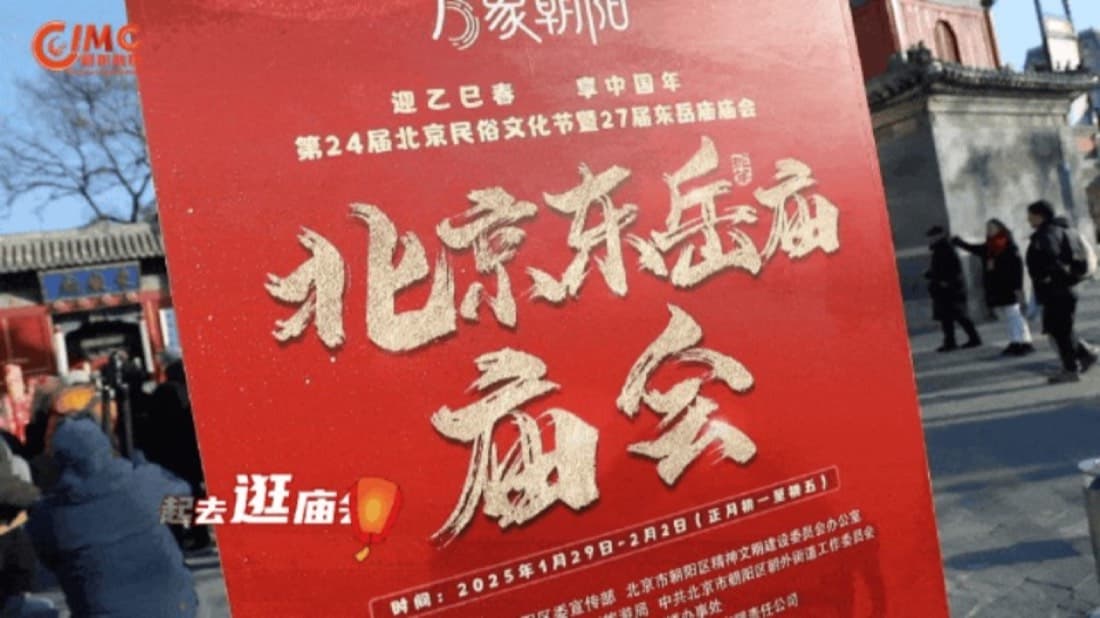
Official Beijing materials describe temple fairs as a representative piece of Beijing culture during Spring Festival, with Ditan and Longtan among the best-known examples. They bring together folk art, performances, snacks, intangible cultural heritage, and holiday rituals in one public space.
Ditan Temple Fair: the classic old-Beijing answer
Ditan, the Temple of Earth, is one of the most recognizable Beijing temple-fair names. Its Spring Festival fair is known for folk traditions, performance programs, cultural displays, snacks, and an atmosphere tied to the ancient altar setting. It feels especially good if you want the holiday to look and sound traditional.
The fair can be intense, so treat it like a major attraction. Arrive with patience, cashless payment ready, small cash backup, warm clothes, and an exit plan. The goal is not to do everything. The goal is to graze, watch, and let the crowd teach you what people are excited about.
Longtan Temple Fair: folk art plus family energy
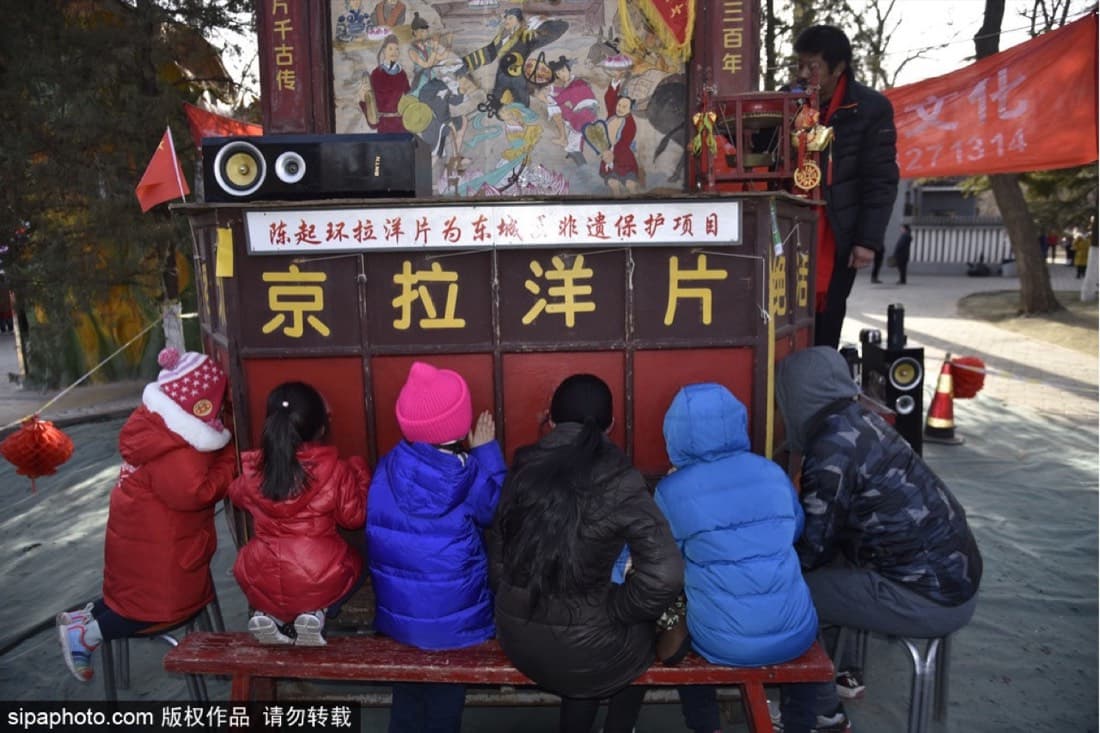
Longtan Park is another big Beijing Spring Festival name, with official descriptions connecting it to folk art, religious practices, material exchange, and mass cultural entertainment. Longtan often feels especially family-oriented, with activities, performances, food, and holiday installations spread through the park.
For visitors, Longtan is useful because it shows how temple fairs function as social outings, not only heritage displays. People come to eat, walk, take photos, watch shows, buy small things, and feel that the New Year has properly arrived.
Lanterns and guochao-style city events
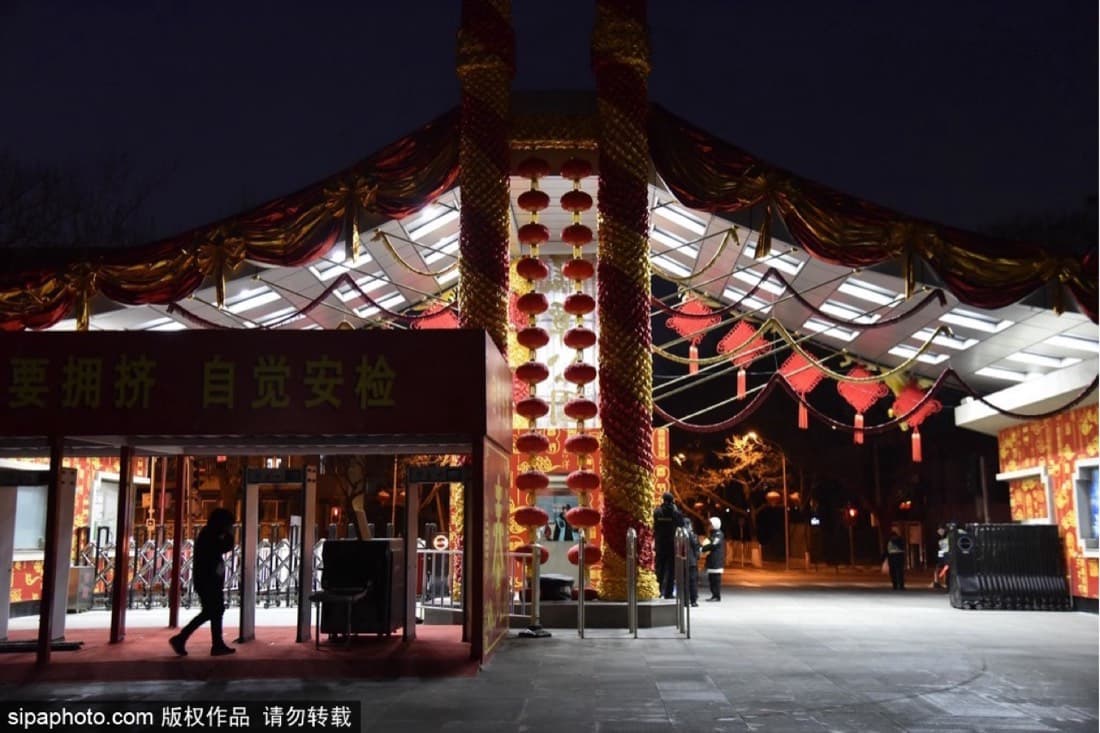
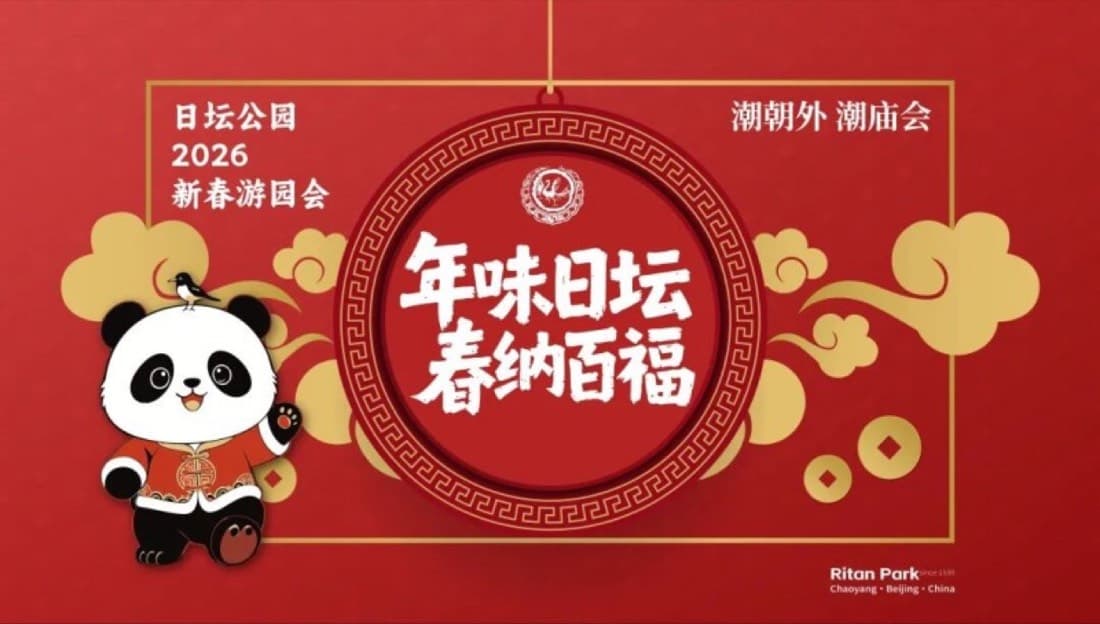
Recent Beijing holiday programming has also pushed temple-fair energy into commercial blocks, parks, and trendy urban spaces. The 2026 Chaowai Spring Festival event, for example, mixed temple fairs, markets, park tours, intangible cultural heritage exhibitions, performances, panda-themed installations, lanterns, pop-up photo spots, and interactive parades.
This matters for tourists because the strongest holiday atmosphere may not be only inside one classic park. Check Beijing's culture calendar for current events: lantern walks, theater programs, folk markets, Chinese-chic installations, and district-level celebrations can be easier to fit around sightseeing.
What to look for: crafts, snacks, and small rituals
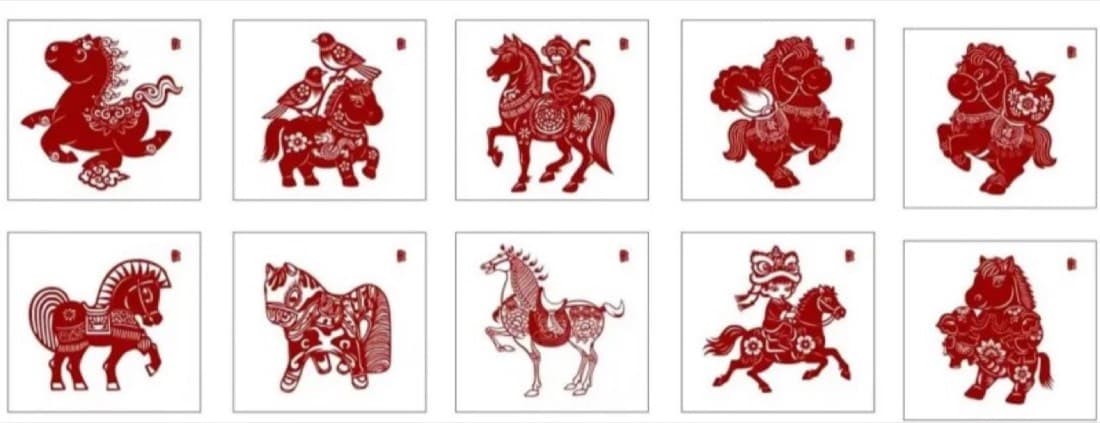
The best temple-fair moments are often small: a sugar painting hardening on a stick, a Lord Rabbit figure, paper cuts, hairy monkey crafts, a child watching a lion dance, a snack line moving too slowly, a calligraphy booth, or a drum rhythm from somewhere you cannot see yet.
Do not overplan the fair like a museum route. Choose a few things to recognize, then wander. If you travel with children, a fair can be more engaging than a formal museum because the culture is touchable, edible, noisy, and visual.
How to make Spring Festival Beijing work
The hard part is logistics. Spring Festival affects opening hours, ticket demand, restaurant waits, traffic, trains, and crowd levels. If you visit during the holiday, reserve must-see attractions early, keep daily routes short, and let temple fairs or lantern events become the main event rather than a late add-on.
The reward is that Beijing becomes more intimate. Palaces show power; temple fairs show appetite, humor, family, memory, and noise. For many travelers, that is the Beijing they keep talking about afterward.