
Beijing / Local Culture
Beijing Central Axis Guide: The World Heritage Route That Makes the City Make Sense
The Beijing Central Axis is the key that makes old Beijing stop feeling like scattered monuments. It is a north-south line through the historic city, now recognized by UNESCO, where gates, palaces, ritual buildings, public squares, parks, and towers line up into one argument about order. Once you see the axis, the city becomes easier to read.
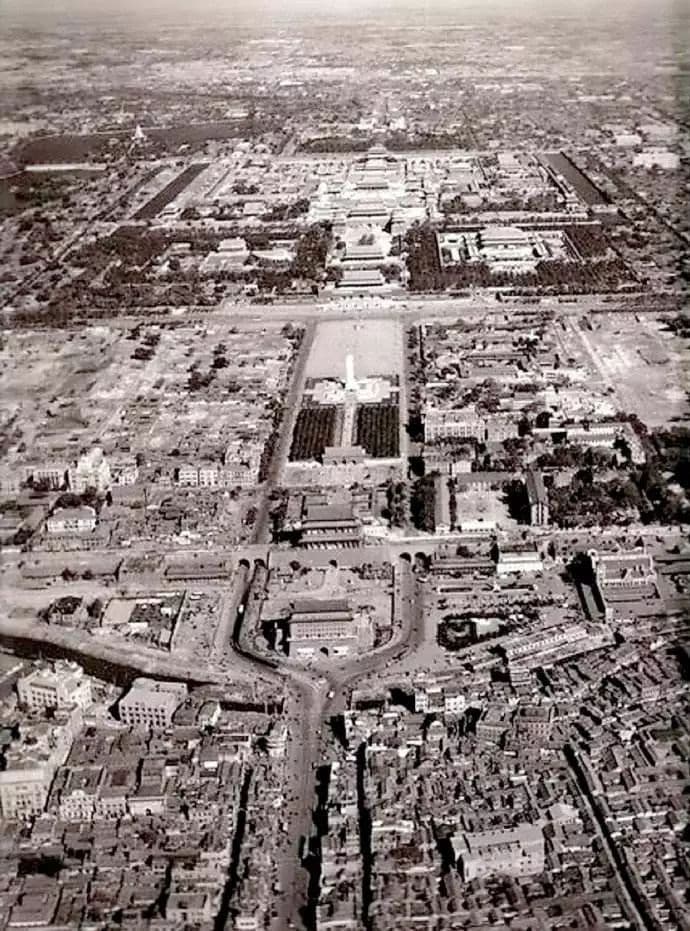
What the Central Axis actually is
UNESCO describes the Beijing Central Axis as a building ensemble running north to south through the heart of historical Beijing. The property brings together former imperial palaces and gardens, sacrificial structures, ceremonial buildings, public buildings, and roads that reveal a long urban planning tradition.
For travelers, the important idea is simpler: Beijing was not assembled randomly. The old city was composed around symmetry, ritual, visibility, and political order. The axis is the line that makes that composition legible.
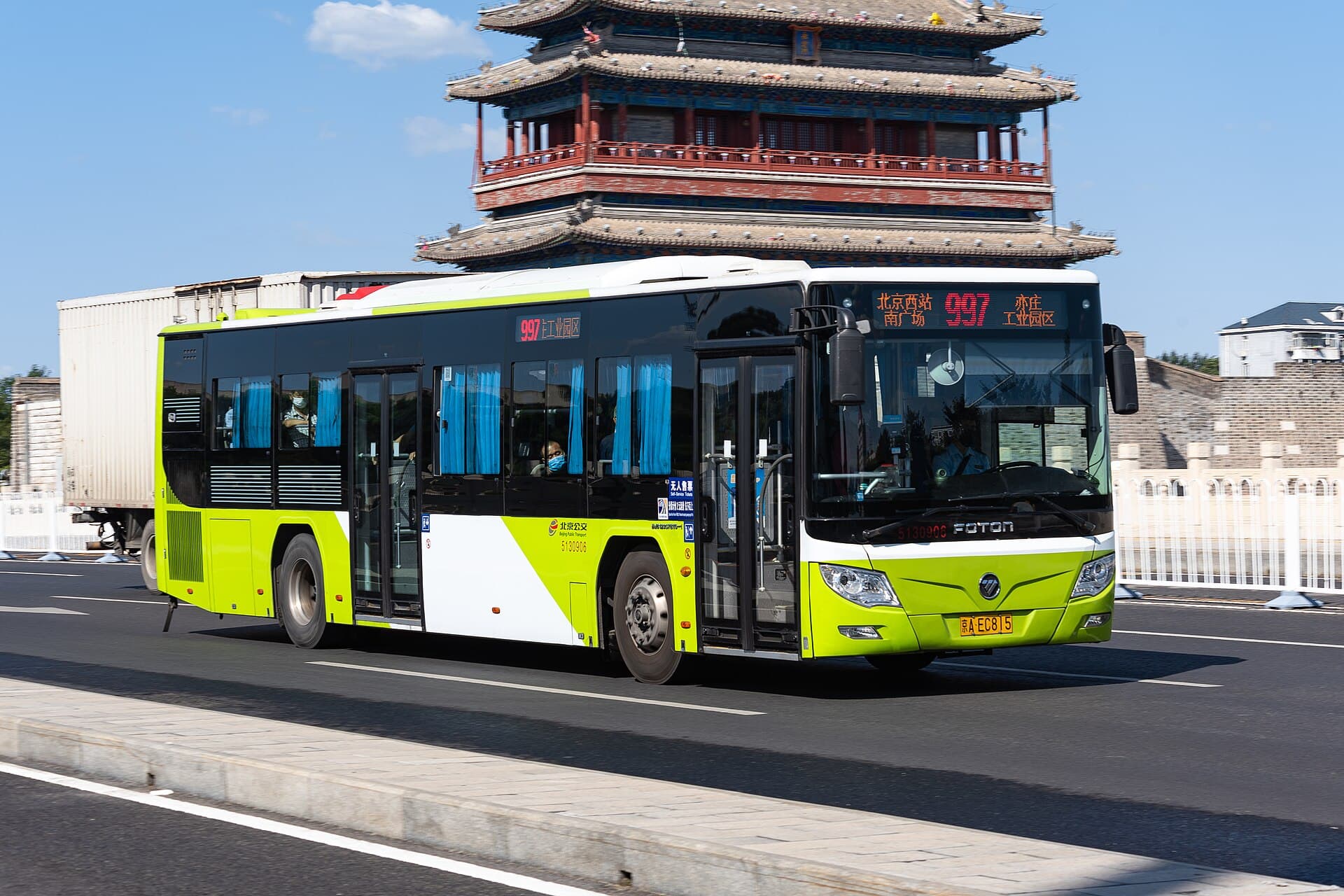
Yongdingmen: the southern threshold
Yongdingmen is the southern gate reference point for understanding the axis. It is not where every first-time visitor needs to start, but it is useful because it shows the axis as a city-scale idea, not just a palace route.
If you like urban history, start here or at least place it on your mental map. It turns Qianmen, Tiananmen, the Forbidden City, Jingshan, and the towers into one connected sequence rather than isolated sightseeing stops.
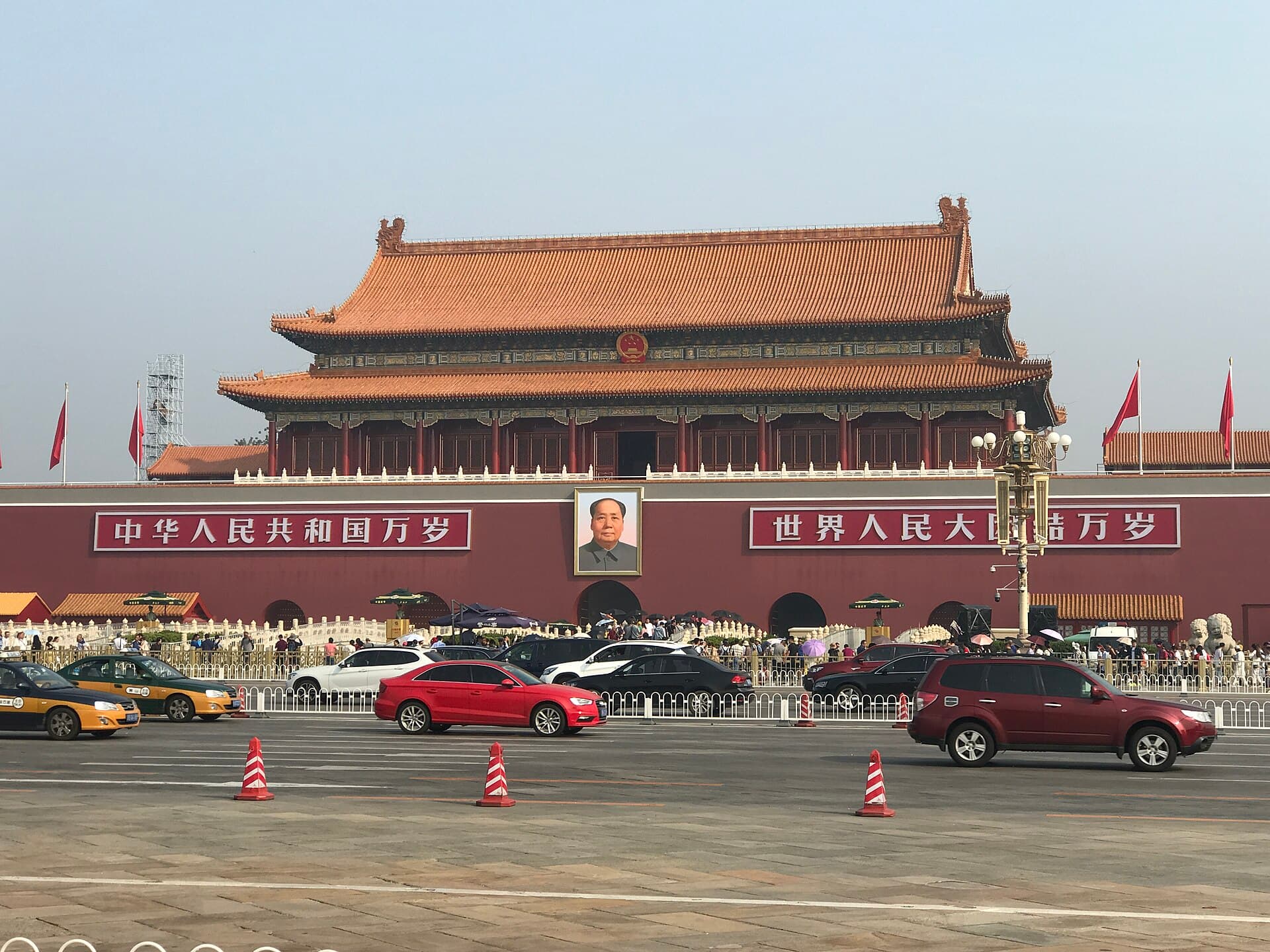
Tiananmen and the Forbidden City: power made visible
The central stretch is the part most visitors already know: Tiananmen, the Forbidden City, and the monumental spaces around them. This is where the axis becomes most theatrical. Movement is controlled, sightlines are formal, and buildings ask to be approached head-on.
Do not treat Tiananmen and the Forbidden City as separate checklist items. They sit in a larger spatial script. The experience changes when you notice gates, courtyards, and public space lining up rather than just appearing one after another.
Jingshan: the axis suddenly becomes obvious
Jingshan Park is the best explainer in the city. From the hill, especially in clear weather, you can see how the Forbidden City sits below you and how the line continues through the old city. This view turns the Central Axis from a heritage concept into something physical.
For a first trip, Jingshan after the Forbidden City is one of the smartest pairings in Beijing. The palace gives you the ground-level sequence; Jingshan gives you the diagram.
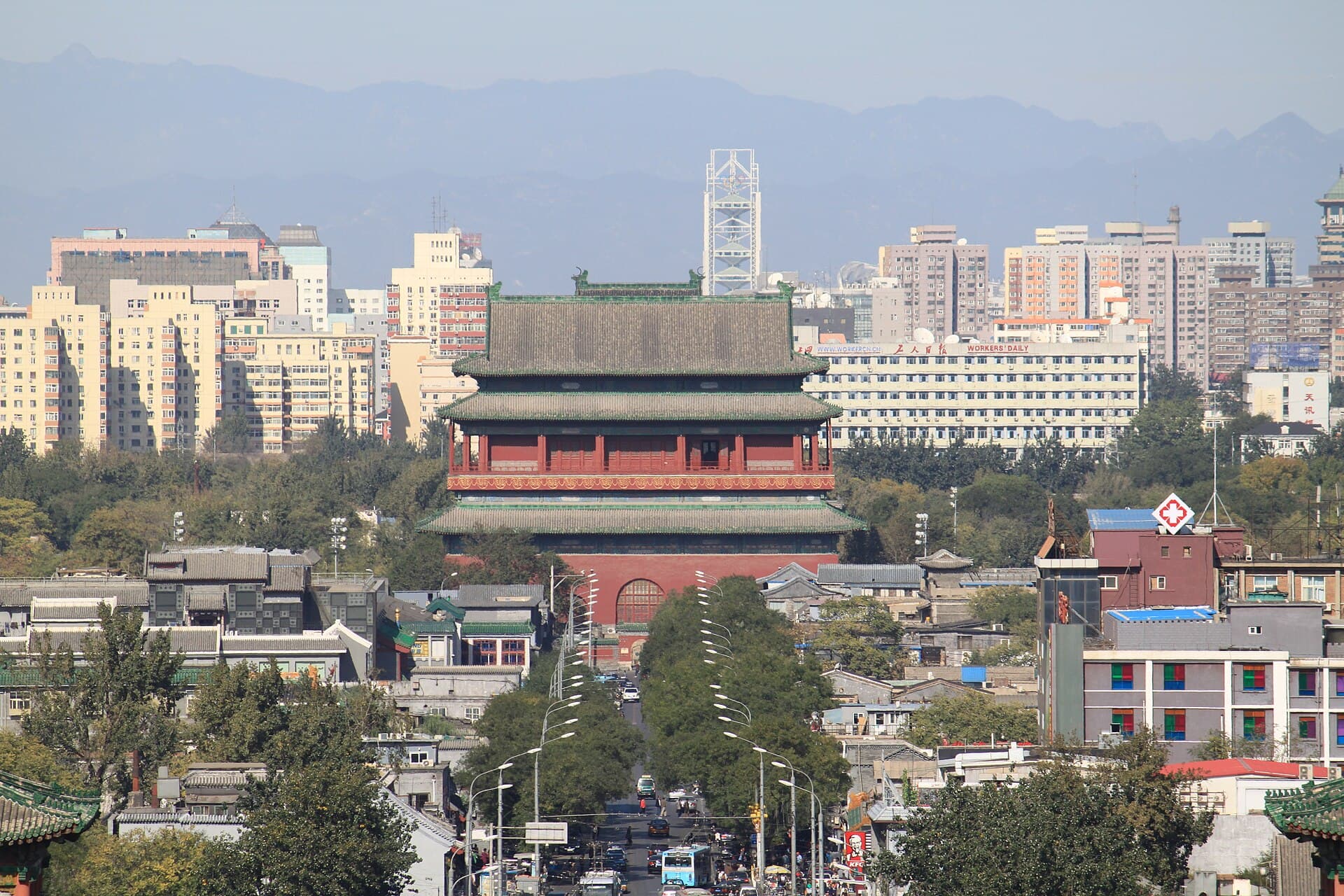
Bell Tower and Drum Tower: the northern rhythm
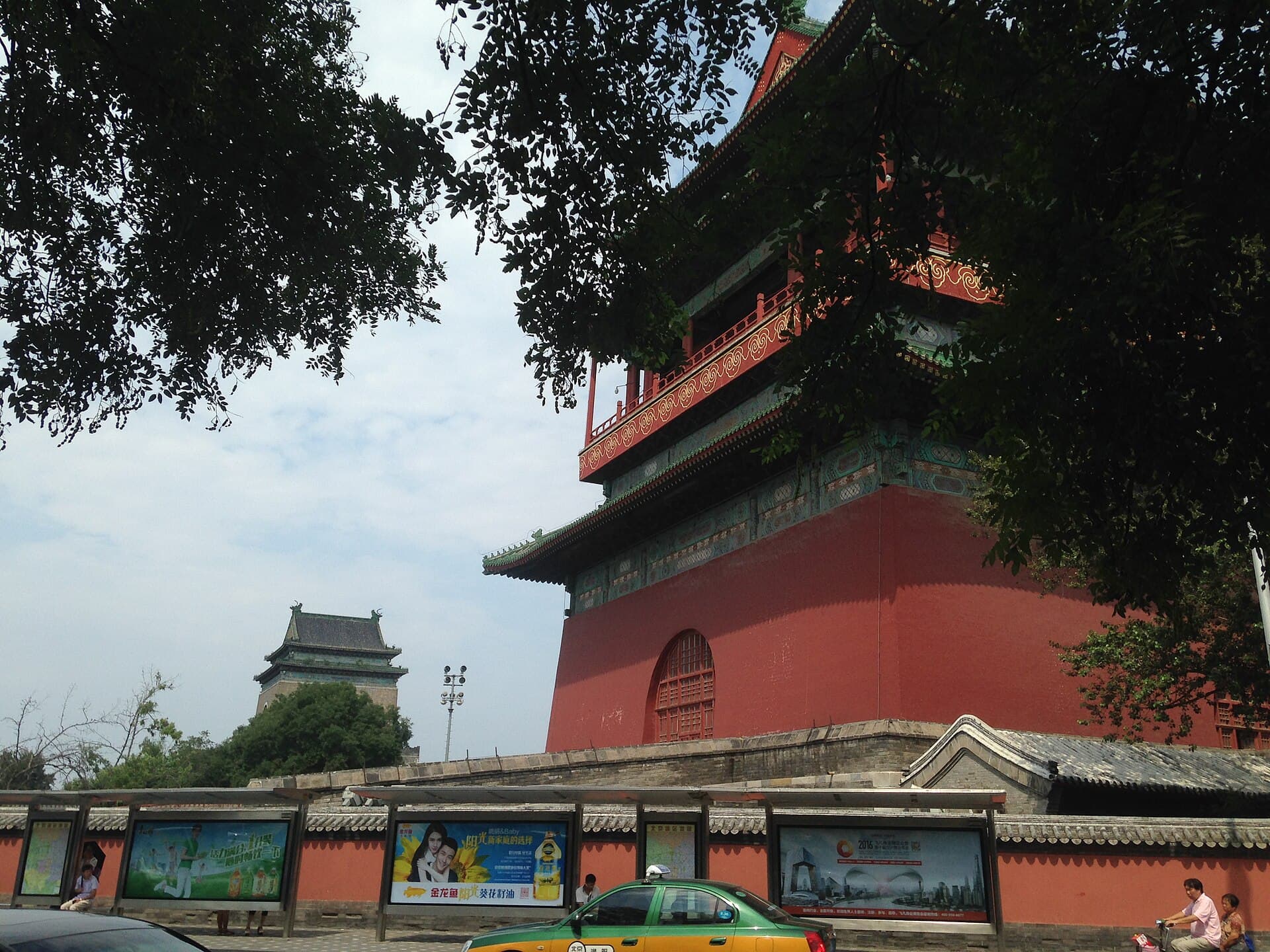
At the northern end, the Bell and Drum Towers change the mood from imperial palace to old-city neighborhood life. They once marked time for the city, and today they sit near hutongs, lakes, cafes, bars, small restaurants, and evening walking routes.
This is why the Central Axis works so well for visitors: it is not only grand history. It ends in a neighborhood where Beijing feels lived-in, social, and current.
How to visit it without exhausting yourself
Do not try to walk the whole 7.8-kilometer cultural spine as a heroic sightseeing march unless that is the specific point of your day. For most visitors, the better plan is to break it into chapters: Temple of Heaven and Qianmen, Tiananmen and Forbidden City, Jingshan and Bell/Drum Towers.
The official Beijing anniversary feature is useful because it frames the axis as both heritage and living culture: routes, rooftop views, museums, forum venues, digital experiences, and new urban life around old structures. That is a better target than simply collecting every monument.