
Beijing / Practical Guides
Beijing Arrival Guide: 240-Hour Transit, GO BEIJING and Tourist Services
Beijing has become much easier for foreign visitors, but the first hour still rewards preparation. If you are using the 240-hour transit policy, relying on GO BEIJING, buying tickets, calling a ride, checking into a hotel, or planning a tax refund, the trick is to know which service solves which problem before you are tired, offline, and standing under airport signs.
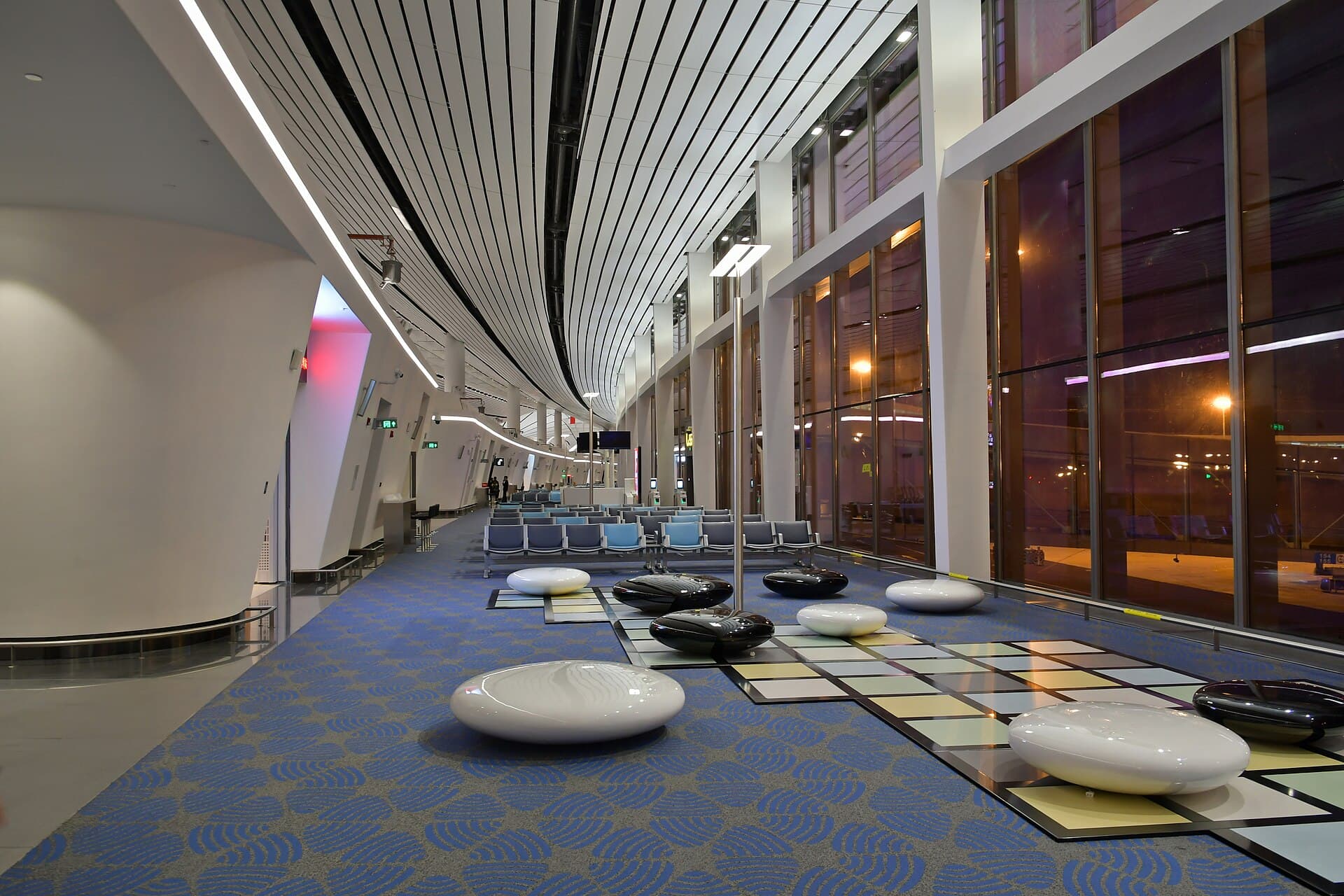
First, know what kind of arrival you are doing
Beijing can be a normal visa arrival, a visa-free entry under a country-specific policy, or a 240-hour transit without visa stop. Those are not the same thing. If you are using transit without visa, the important question is not whether Beijing is interesting enough for ten days. It is whether your itinerary qualifies.
Official Beijing guidance says eligible travelers need a valid passport from an eligible country, a visa or proof for the next country or region when required, a completed arrival/departure card, and an onward ticket with a confirmed seat. The last country or region before entering the Chinese mainland and the first country or region after leaving the Chinese mainland must not be the same.
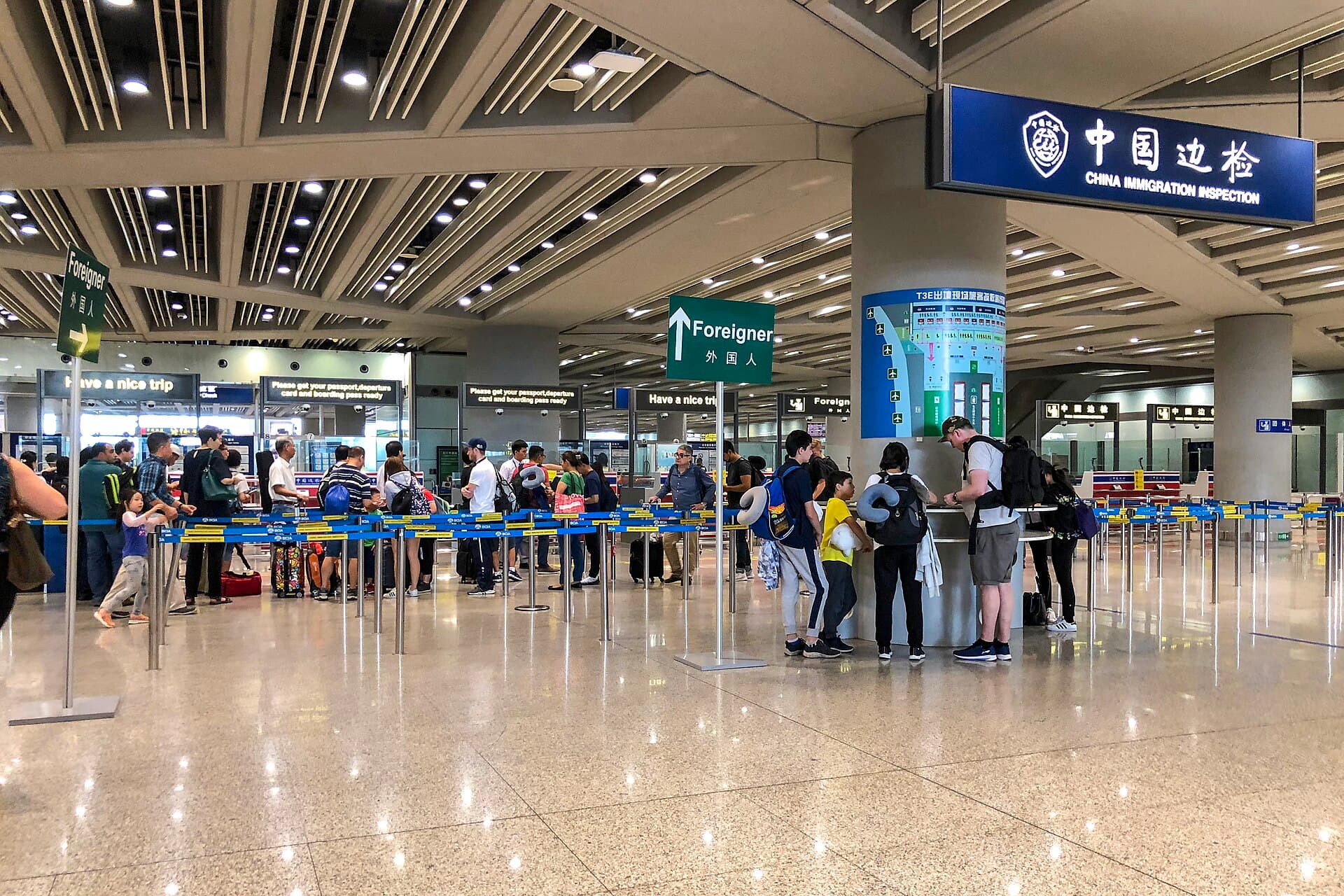
The 240-hour counter is a travel plan, not a magic phrase
The clean version is simple: tell airline staff before boarding if needed, fill in the arrival card, find the 240-hour visa-free counter at immigration, show your documents, get the temporary entry permit stamp, then continue to baggage claim and customs. The decision is still made on site, so do not build your plan on a social media screenshot.
This policy is great for Western visitors who want Beijing plus a nearby add-on before flying onward, but it is not a free pass to roam everywhere. If your plan includes Tianjin or Hebei, check the current permitted-area wording. If your plan jumps between multiple provinces, verify it against National Immigration Administration rules before booking nonrefundable tickets.
GO BEIJING is worth knowing before you land
GO BEIJING is Beijing's one-stop inbound visitor platform, officially launched on April 30, 2026. The useful part is not the slogan. It brings together visitor tasks that normally feel scattered: ticket booking, international card payments, departure tax refunds, multilingual navigation, ride-hailing, hotel booking, dining, shopping, entertainment, and public services.
The official release says the platform supports 39 services and 16 languages, and includes a Travel Wallet option for users from 40 countries and regions. Treat it as a practical backup hub. Even if you prefer Alipay, WeChat, Trip.com, or hotel concierge help, GO BEIJING gives you one Beijing-specific place to check when a local task gets annoying.

Airport service counters can save your first hour
At Beijing airport service counters, look for practical tasks rather than abstract help. You may be able to ask about BEIJING PASS, airport express or bus tickets, city transport, payment support, and basic arrival questions. This matters most if your phone setup is not finished or your foreign card is being moody.
For city transfer, choose based on energy. Airport rail is usually the cleanest when your luggage is manageable. Official taxis are better when you are exhausted, arriving late, traveling with family, or heading somewhere far from a station. Ride-hailing can be excellent, but airport pickup zones are where many first-timers lose time.
Tax refunds are getting faster, but still need planning
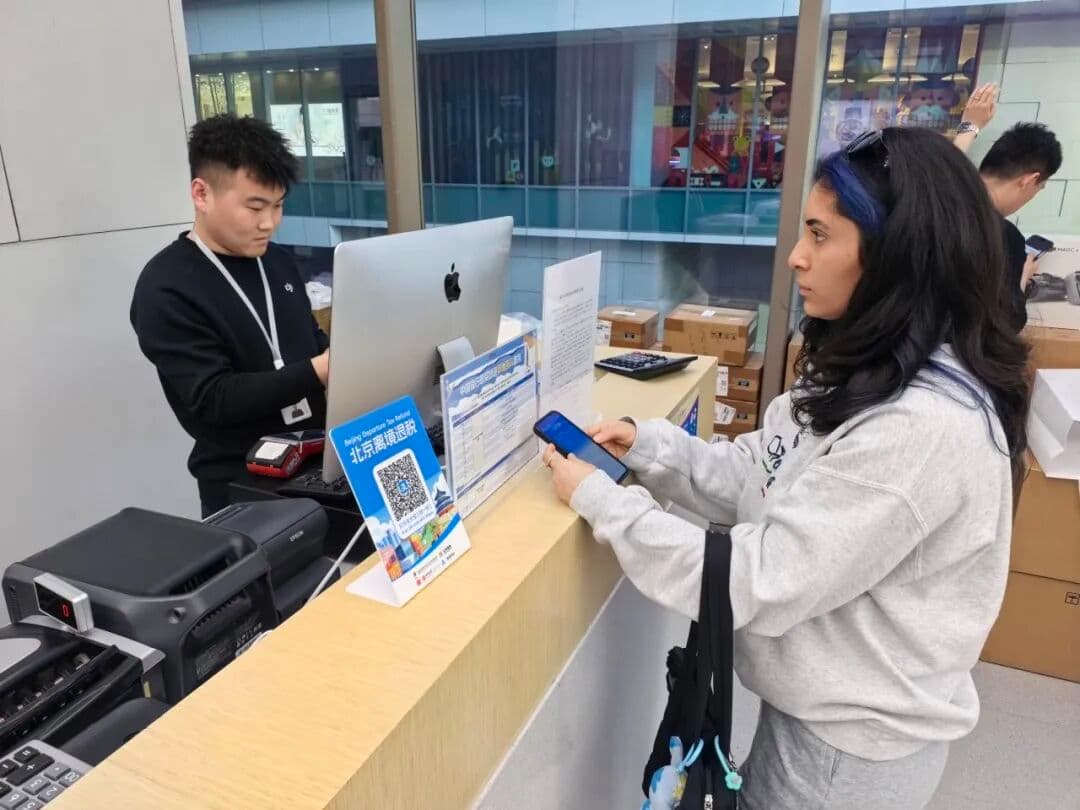
Beijing has been expanding instant tax refund services for overseas visitors, including selected stores and faster phone-based processes. In 2026, official Beijing reporting described a One-Tap Smart Tax Refund service at selected tax refund stores, with examples in visitor-heavy shopping districts.
That does not mean every purchase magically qualifies. Keep receipts, ask before paying if a store supports departure tax refund or instant refund service, and leave time before departure if you plan to complete refund steps at the airport. The fun part should be the Palace Museum souvenir, camera store, or Beijing design object, not a last-minute paperwork sprint.
A calm first-day setup
Before you leave the airport, make sure you have internet, payment, maps, hotel address, and a route to the hotel. If one of those fails, fix it while you are still near service counters and staff, not from the curb with a dying battery.
For Western tourists, Beijing becomes much more enjoyable once the admin layer disappears. The city is huge, historic, intense, and rewarding. Give yourself a boring arrival system so the interesting part can start sooner.