Suzhou / Food & Daily Life
Suzhou Noodles Are Breakfast Culture: Red Soup, White Soup and the Toppings Locals Obsess Over
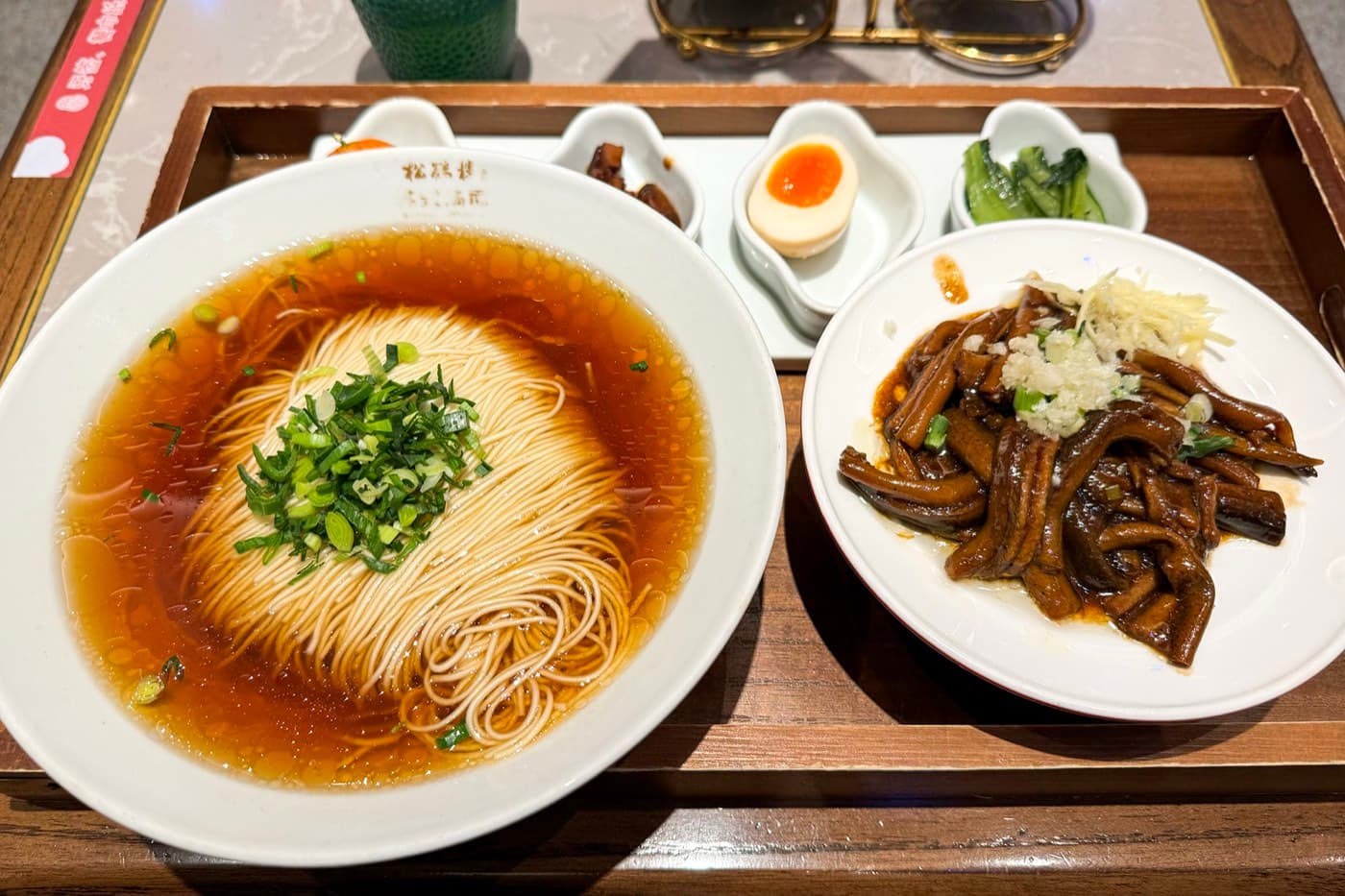
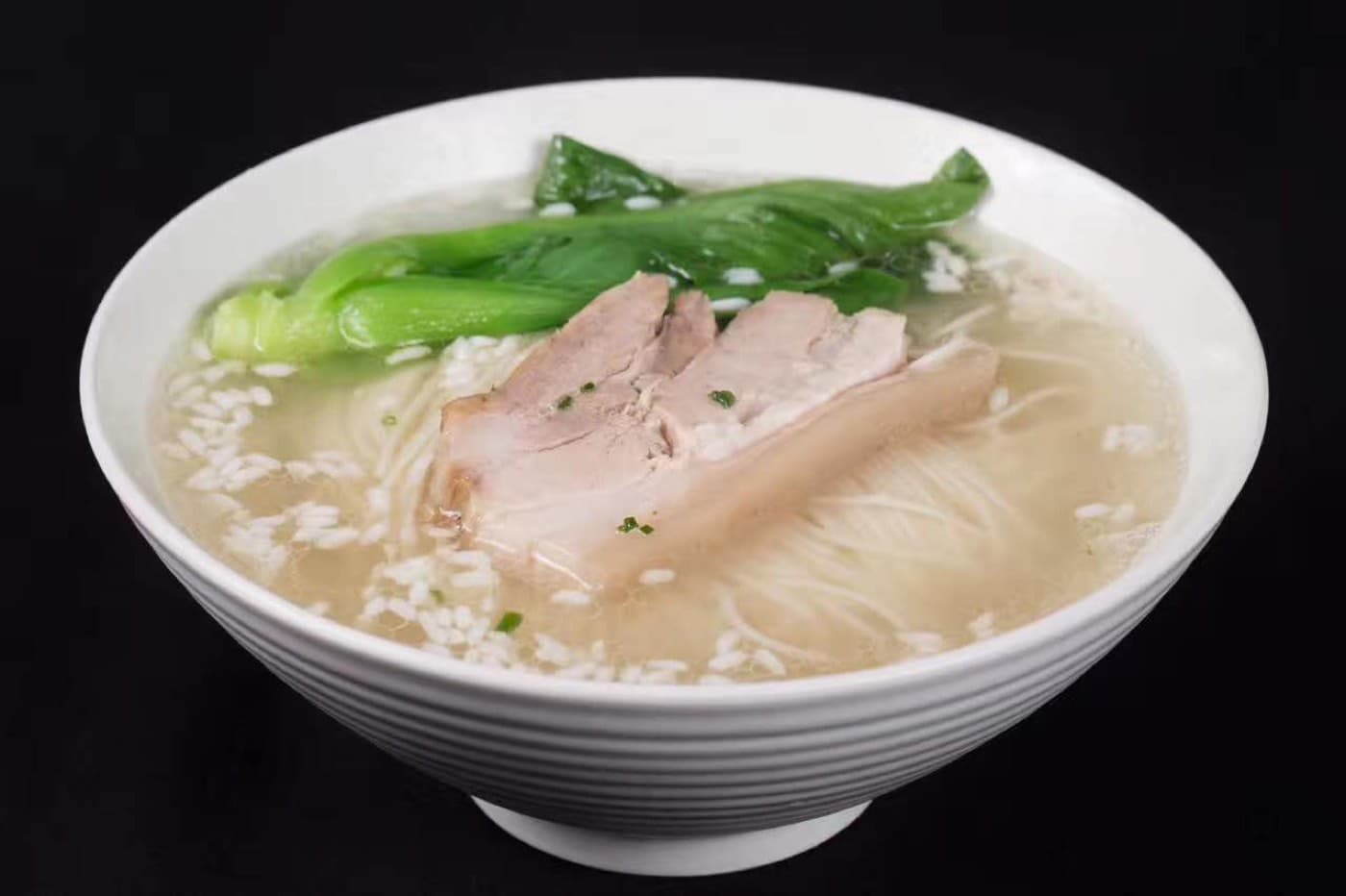
If squirrel-shaped mandarin fish is Suzhou's photo dish, Su-style noodles are its daily-life dish. The bowl looks simple: thin noodles, clear broth, scallions, and toppings served on top or on the side. But behind that simplicity is a whole local grammar: red soup or white soup, firm noodles, seasonal toppings, fried fish, braised pork, Fengzhen big-meat noodles, Aozao noodles, and breakfast shops where regulars know exactly what they want before they sit down.
Why noodles may be your best Suzhou meal
A Suzhou noodle bowl is not as dramatic as a banquet fish, but it is more useful for understanding local life. It is quick, precise, affordable, and deeply habitual. People have preferences about broth, texture, topping, and timing.
For Western visitors, this is the food stop that keeps a Suzhou itinerary grounded. Gardens and canals are beautiful; noodles remind you that people actually live here.
Red soup vs white soup
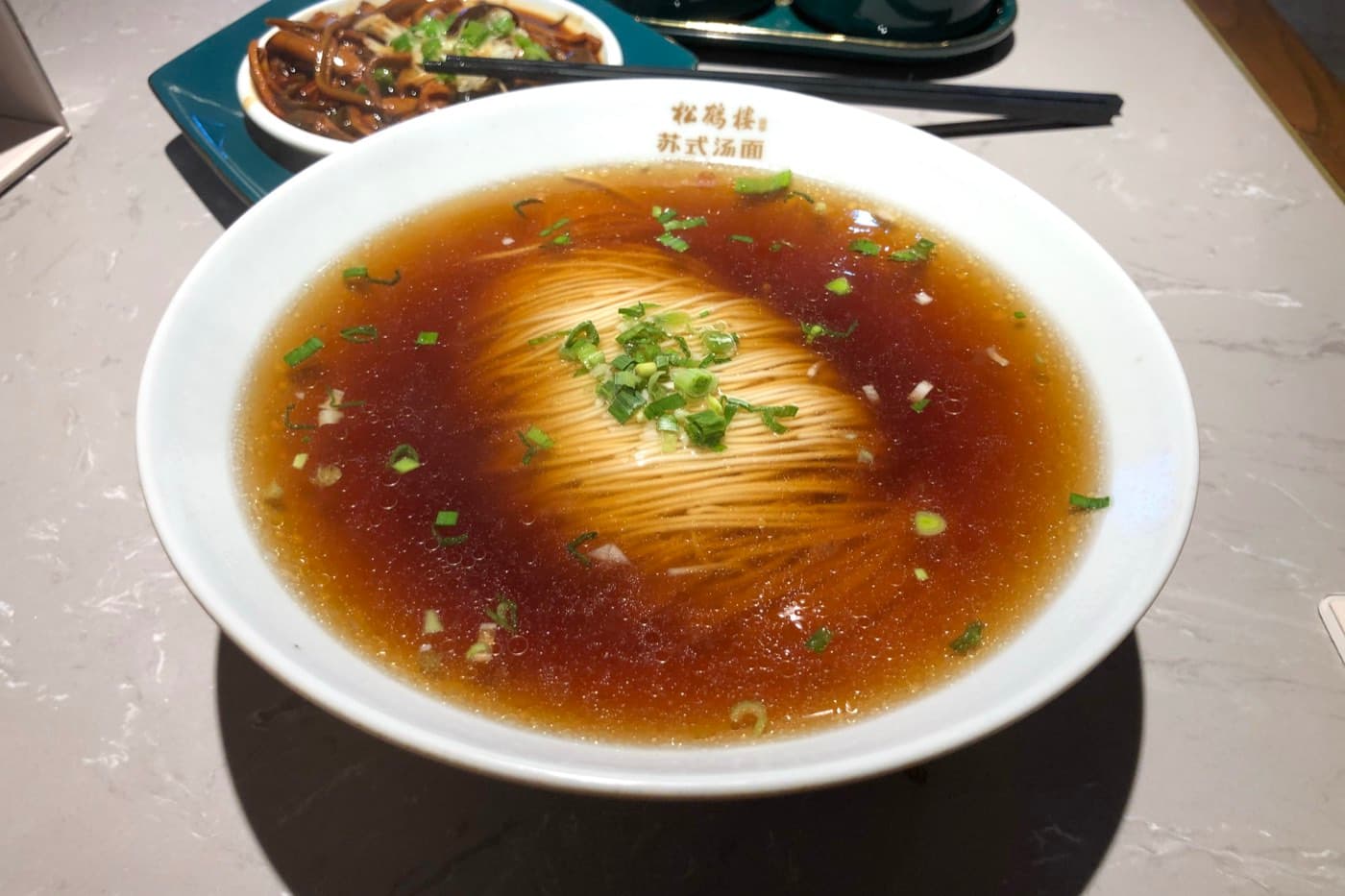
The Wikipedia overview of Su-style noodles describes two soup types: red soup and white soup. Both start with a slow-cooked base, while soy sauce turns the broth into red soup. White soup stays paler and often feels softer and cleaner.
If you like savory soy aroma, start with red soup. If you want something gentler, choose white soup. Neither should be treated like spicy ramen; the appeal is clarity and balance.
Texture is not an afterthought
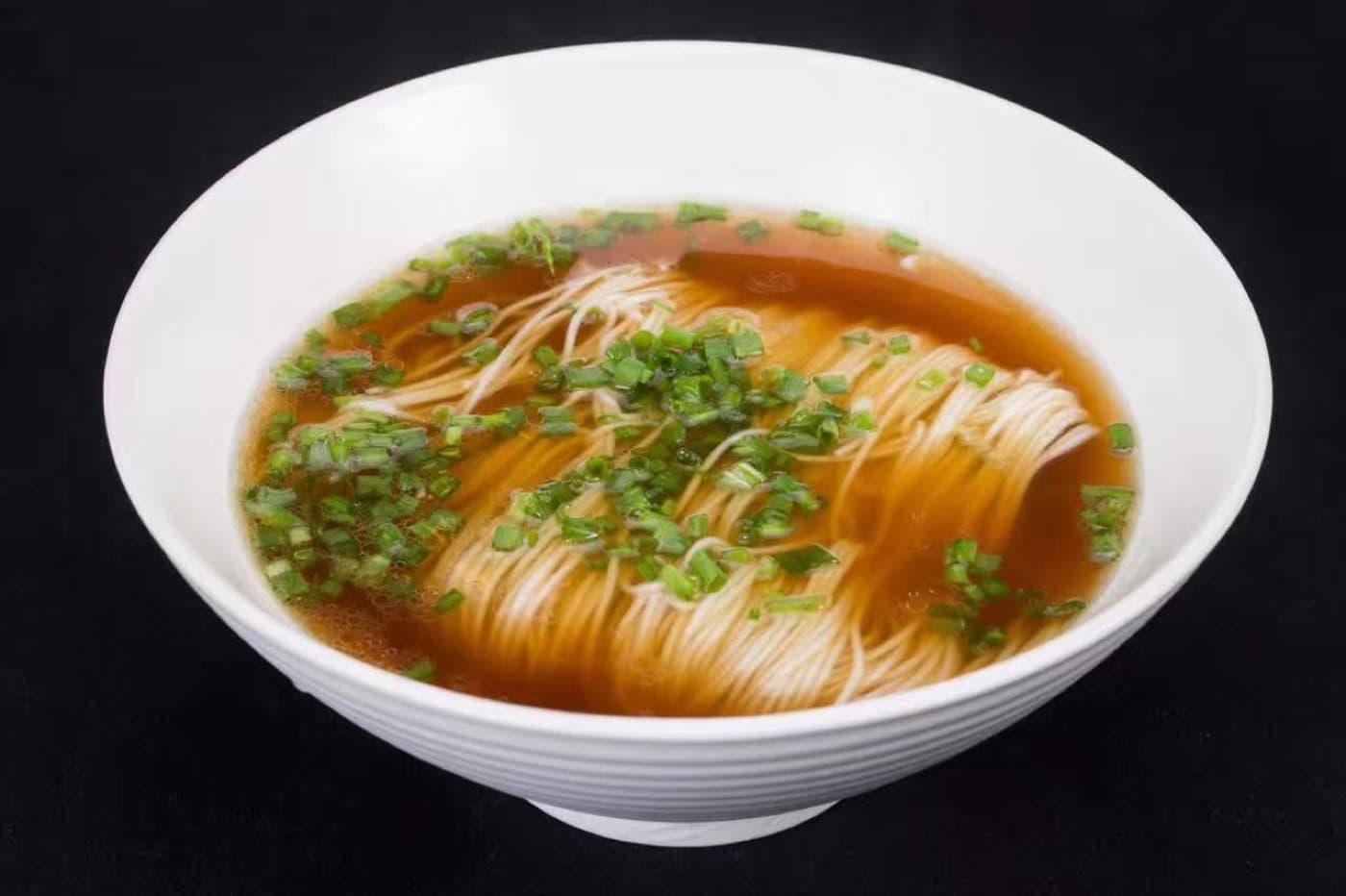
China Daily quotes a Suzhou chef explaining that Suzhou noodles are thinner and drier than Beijing noodles, and that locals prefer them to have some bite. The noodles are brought to boiling point twice so they keep texture in the center.
That detail matters. If you are used to thick, springy noodles or rich ramen broth, Suzhou noodles may seem restrained at first. The pleasure is in thin strands, clear soup, and controlled timing.
The topping list is the real menu
The noodle itself is only half the order. Toppings can include braised pork, fried fish, spiced duck, eel, shrimp, ribs, pork chop, or seasonal specials. Some arrive in the bowl; others come as a side plate so you can control the mix.
For a first bowl, fried fish noodles or braised pork noodles are easy choices. If you want something more local and gentle, try Fengzhen big-meat noodles when available.
Aozao noodles: the Qianlong breakfast legend
China Daily tells the story of Aozao noodles as one of Emperor Qianlong's favorites, with the name tied to a dialect misunderstanding. The article describes a broth made from ingredients such as pork bones, old hen, grass carp, eel bones, river snails, and herbs.
Whether you care about the legend or not, Aozao is useful because it shows how seriously Suzhou and nearby Kunshan treat noodle broth. A bowl can look simple and still carry hours of preparation.
How to eat noodles like a traveler with a clue
Go in the morning, especially if you want the local breakfast feeling. Have your payment ready, avoid lingering at a busy counter, and order one bowl plus one or two toppings rather than trying to decode the whole menu at once.
A good first order is red soup with fried fish, white soup with big meat, or a simple bowl with a side topping. After that, you can chase eel, shrimp, duck, or seasonal versions.