
Suzhou / Food & Daily Life
The Famous Suzhou Fish That Looks Like a Squirrel: Is Songshu Guiyu Worth Ordering?
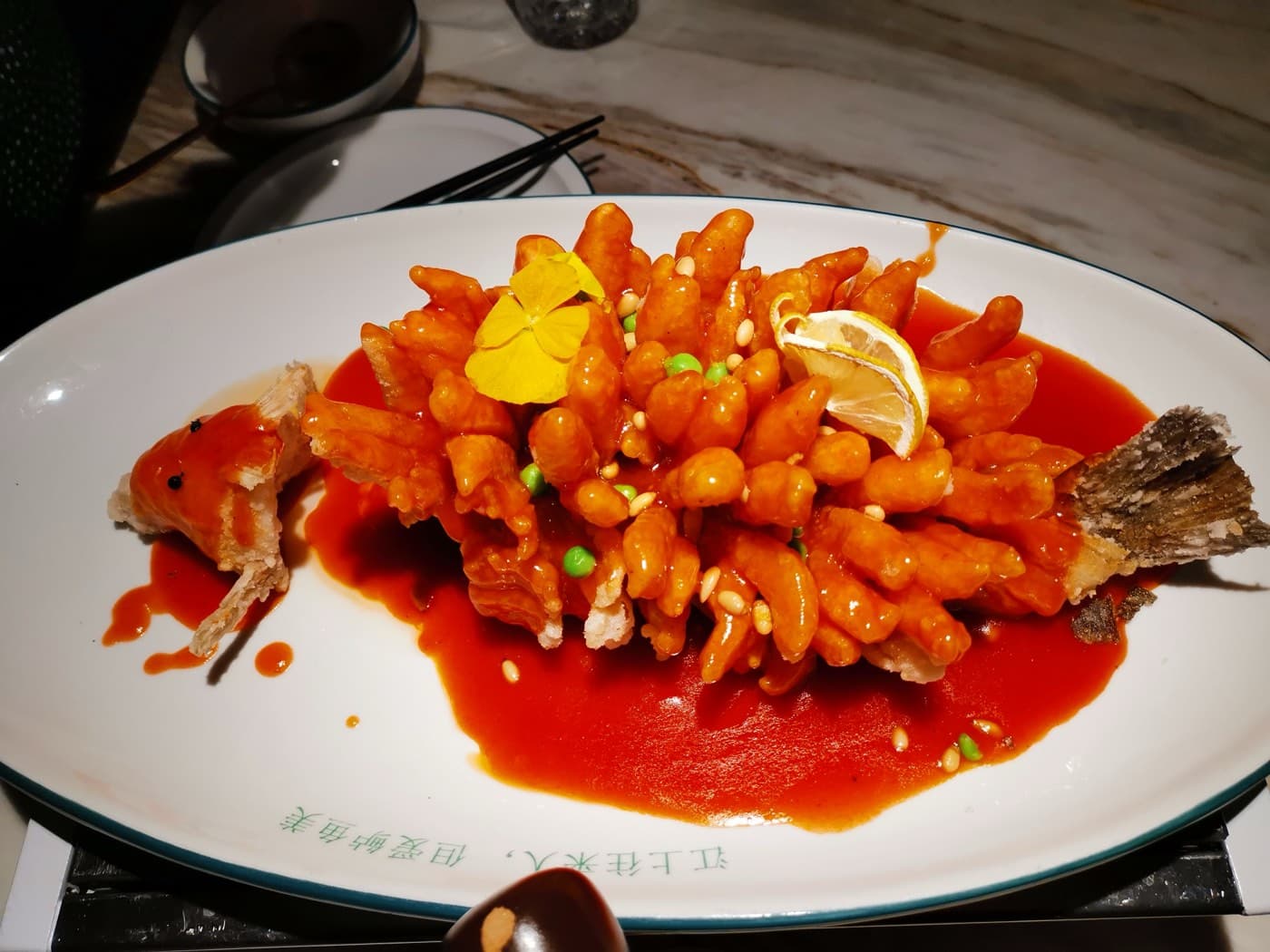
Yes, the famous Suzhou fish really is supposed to look a little like a squirrel. Songshu Guiyu is a carved, deep-fried mandarin fish covered in a glossy sweet-and-sour sauce, with the flesh cut so it bristles outward like fur. It is theatrical, tourist-friendly, technically impressive, and also exactly the kind of dish people debate after dinner: clever icon, delicious classic, or too sweet for the hype?
Why the dish is famous
The official Suzhou page says the fish is cut into rhombus patterns, coated with starch, deep-fried until golden, then plated with the head and tail raised so it resembles a squirrel. When sauce is poured over the hot fish, the sound is compared to a squirrel's zhi-zhi chatter.
That is why the dish works so well for travelers: it is not only flavor. It is shape, sound, texture, story, and table drama.
What it tastes like
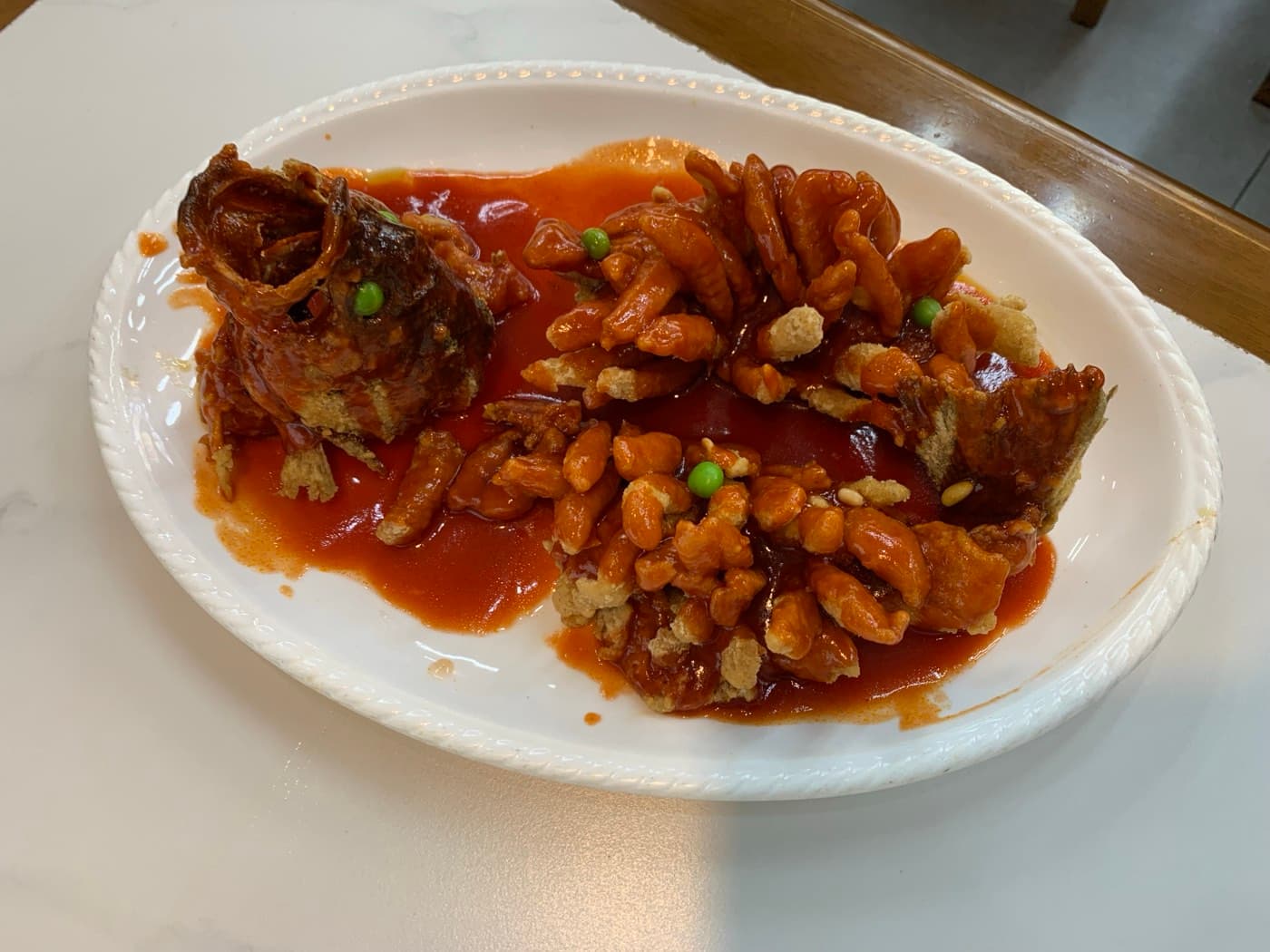
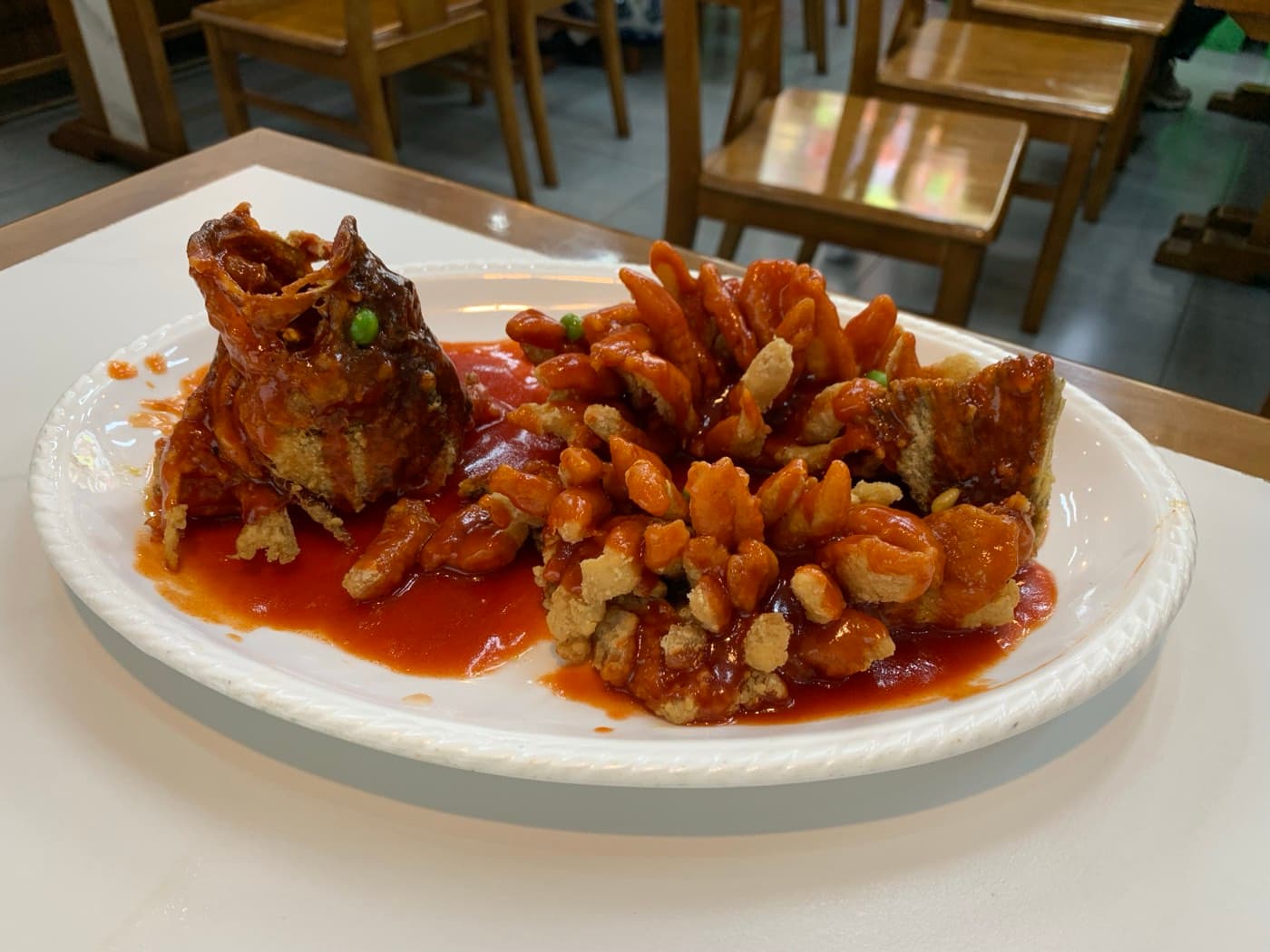
Expect crisp fried edges, tender fish inside, and a red-orange sweet-and-sour sauce. The best versions keep the fish hot and crisp enough that the sauce does not turn everything soggy immediately.
Western visitors often compare it to a more elaborate sweet-and-sour fish, which is fair, but undersells the knife work. The dish is partly about turning one fish into many crispy points that catch sauce differently.
Songhelou and the Qianlong story
Both the official Suzhou page and China Daily connect the dish with Songhelou and Emperor Qianlong's southern travels. As with many famous food legends, you do not have to treat every detail as court transcript; the point is that the dish belongs to Suzhou's restaurant mythology.
Songhelou remains the name many travelers hear first. It can be touristy, but sometimes touristy is not automatically wrong. For a city icon, the old-name restaurant context is part of the experience.
The honest tourist question: is it worth it?
If you only want subtle, seasonal Suzhou flavors, this may not be the dish that convinces you. It is sweet, saucy, photogenic, and often ordered because it is famous. But if you want one instantly memorable Suzhou food moment, it is hard to beat.
A Reddit travel post frames it exactly the way many visitors experience it: a recognizable Suzhou classic that people seek out because it looks unusual and has a strong local identity. That visual memory is part of the value.
How to order it well
Order it for a table of two to four people, not as your only dish. Pair it with something green, something lightly steamed or soupy, and maybe a noodle or tofu dish. That keeps the sweetness from dominating the whole meal.
Ask whether it is mandarin fish if that matters to you. Some cheaper versions may use another fish. Also expect bones around the head and tail even when the body is easier to eat.
Best timing and expectations
The official Suzhou source says April and May are a good time to taste the dish. That does not mean you cannot order it year-round, but it is another reminder that Suzhou food is deeply tied to seasonality.
Go in with the right expectation: this is not a hidden local secret. It is a city icon. Enjoy it the way you would enjoy a famous old cocktail, a New York cheesecake, or a Neapolitan pizza at a historic place: partly for taste, partly for context.