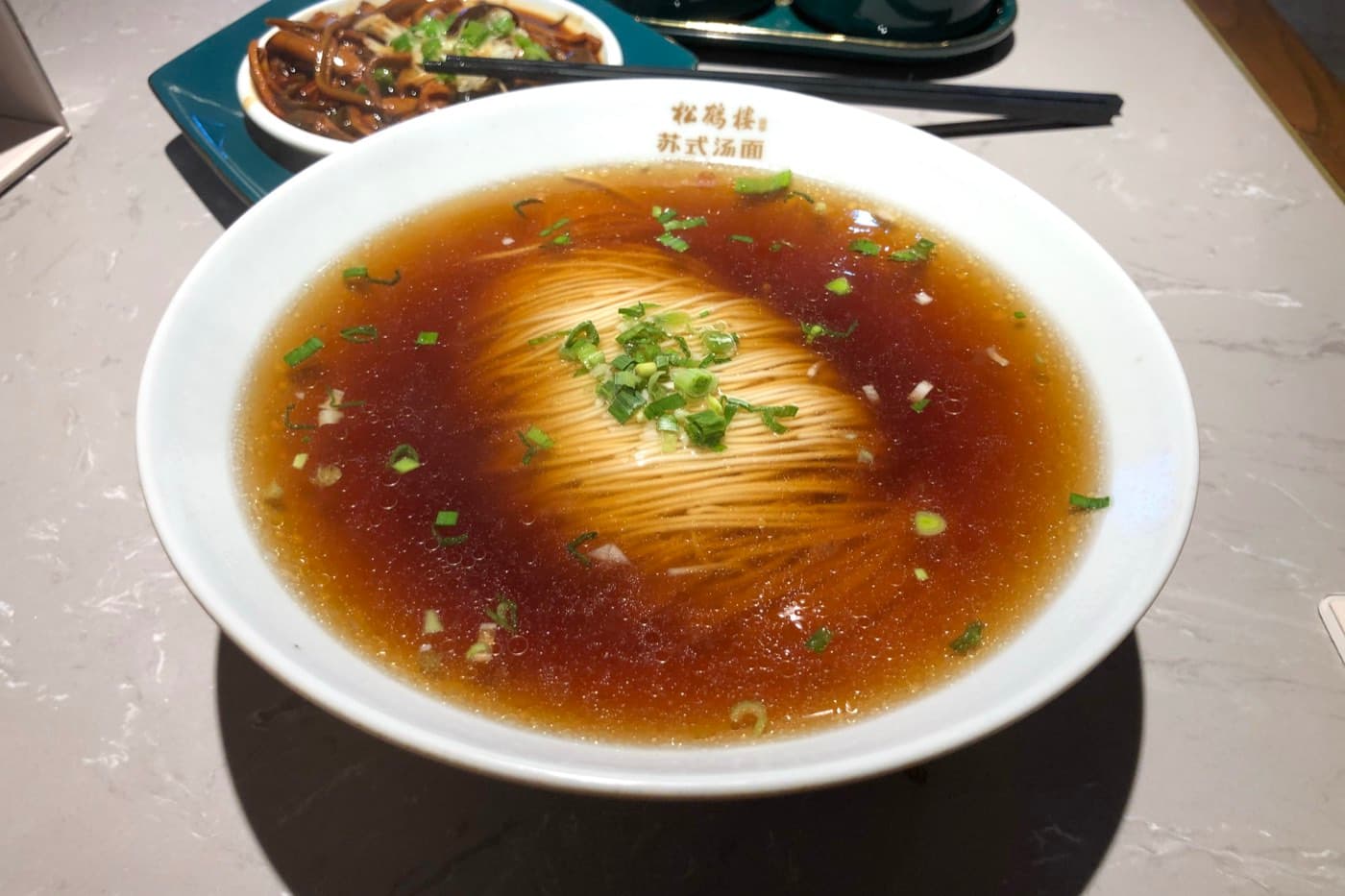
Suzhou / Food & Daily Life
Where Suzhou Actually Eats: Guanqian Street, Shiquan Street and Local Food Lanes
Suzhou food is not only something you reserve in a famous restaurant. It is also old pastry shops on Guanqian Street, Taijian Lane restaurants every guidebook seems to mention, Shiquan Street dinners after a garden walk, small noodle shops, snack counters, and everyday lanes where the city feels less polished and more alive. The trick is knowing when you are in tourist Suzhou, when you are in local Suzhou, and how to enjoy both.
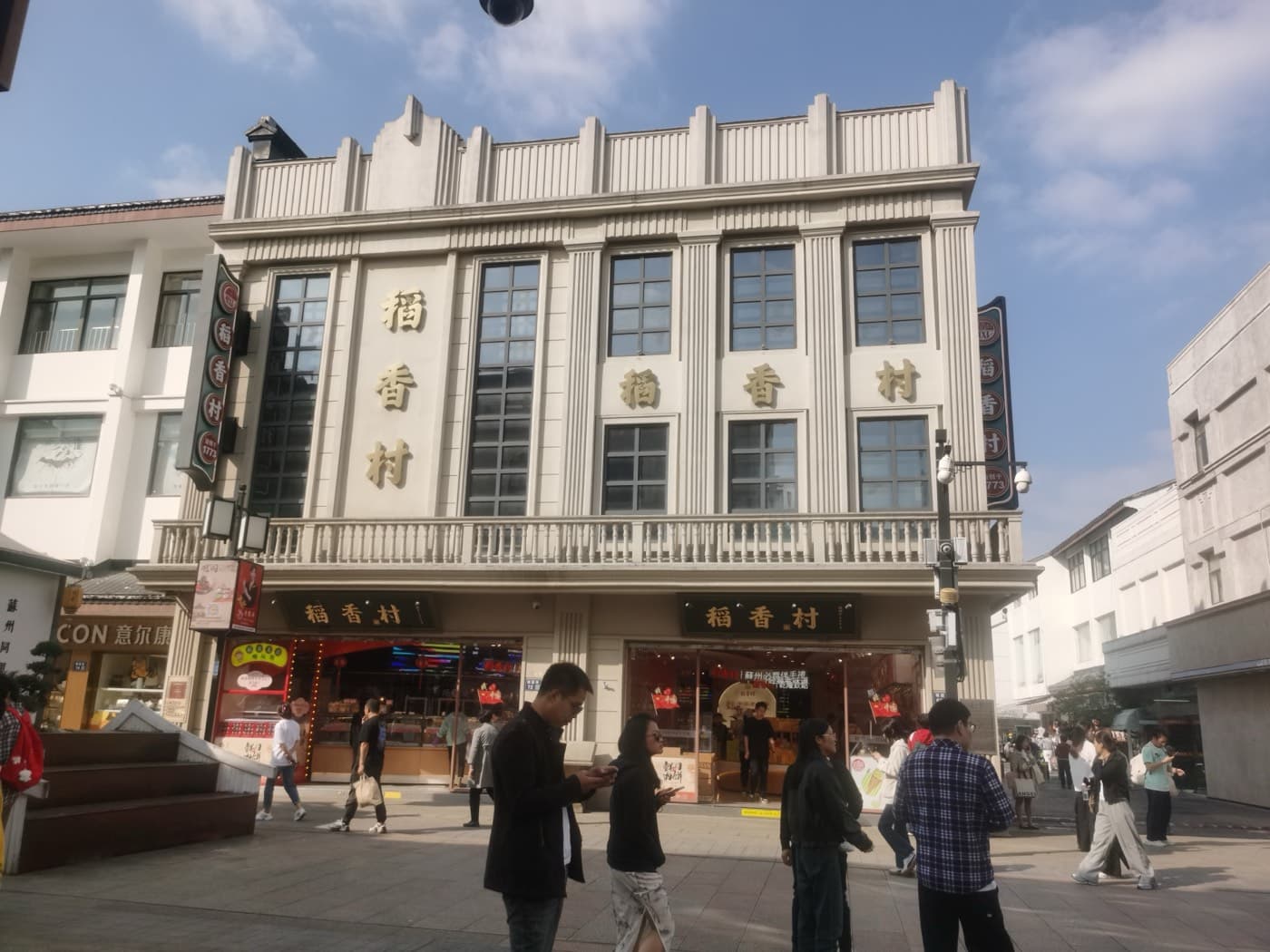
Start with Guanqian, but do not stop there
Guanqian Street is the obvious first food area because it is central, walkable, commercial, and full of names visitors recognize. It is not hidden, and it is not trying to be hidden. That is fine. For a first Suzhou trip, convenience matters.
Use Guanqian as a soft landing for old brands, snacks, pastries, and classic restaurant names. Then use the rest of your trip to move outward into quieter streets and more ordinary meals.
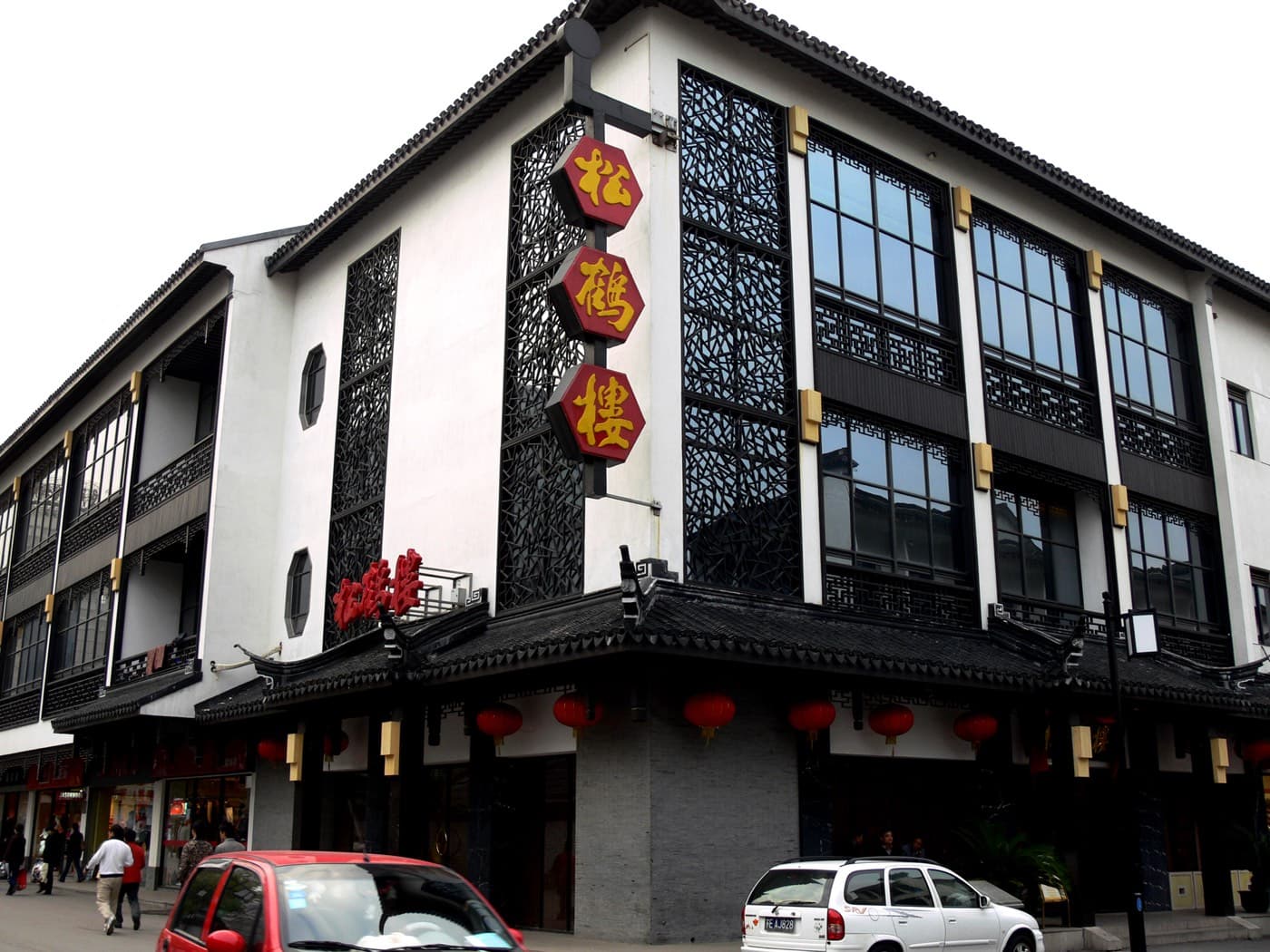
Taijian Lane is the old-brand restaurant lane
Mafengwo frames the Taijian Lane area as one of Gusu's first places to look for food, with several of Suzhou's famous restaurants gathered around it. That is why it keeps appearing in local food planning: it is central, name-heavy, and easy to combine with shopping or old-town walking.
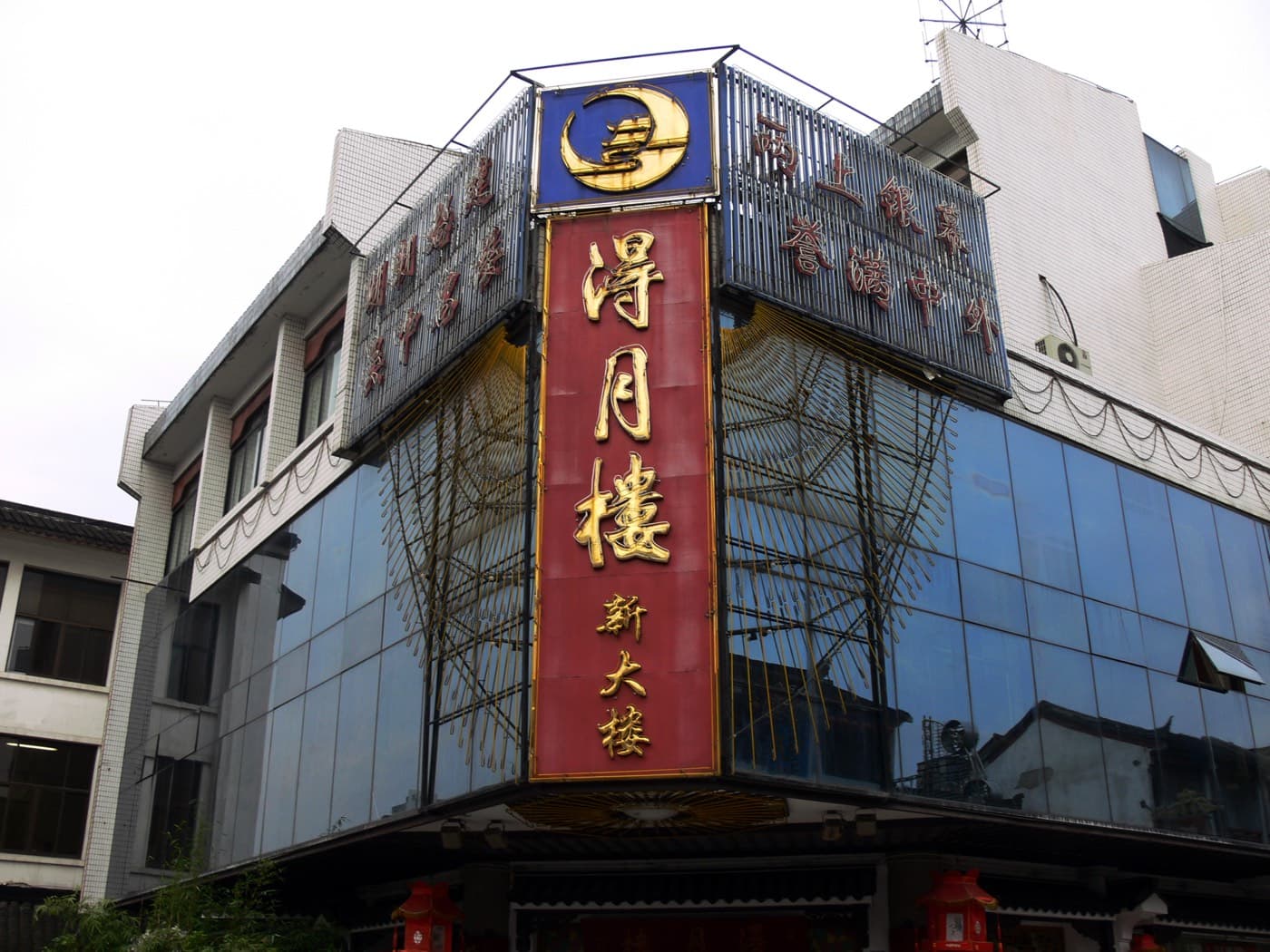
Songhelou and Deyuelou are the kinds of names visitors hear quickly, especially around squirrel-shaped mandarin fish and classic Su Bang Cai. They may not be cheap or undiscovered, but they give travelers a clear entry point into Suzhou's restaurant memory.
Shiquan Street is better for a slower evening
Shiquan Street and nearby Fenghuang Street feel different from Guanqian. Mafengwo groups Fenghuang and Shiquan as must-visit food streets, and the area works well if you want dinner after the Master of the Nets Garden, a cafe pause, or a less mall-like evening.
This is a good zone when you want variety: Jiangzhe restaurants, noodles, cafes, bars, and small places that may not feel as packaged for tourists. It is not automatically more local than everywhere else, but it gives you a better chance of a slower meal.
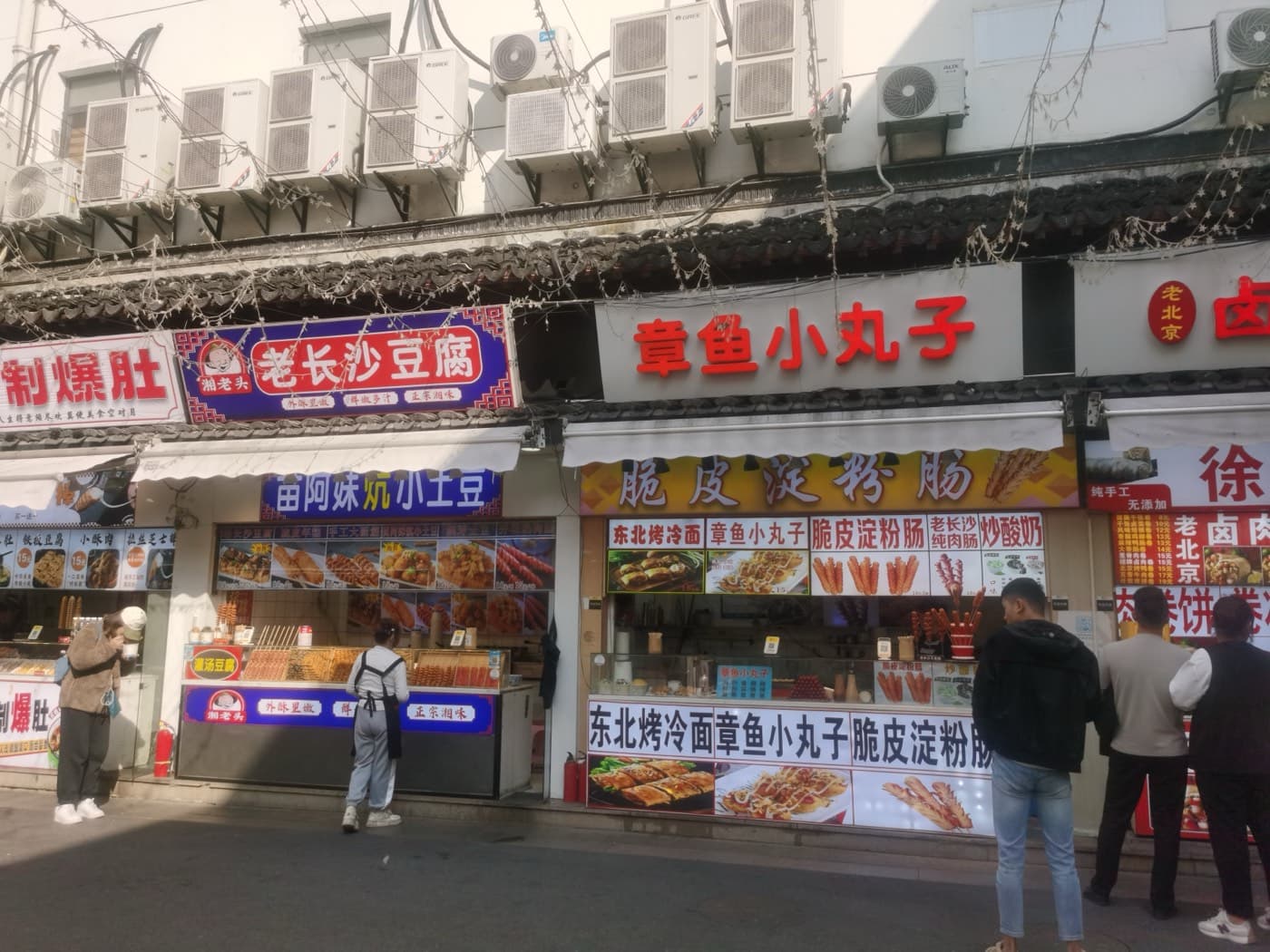
Fengmen Hengjie is the everyday counterpoint
Fengmen Hengjie is useful because it changes the texture of the trip. Instead of polished old brands, you get a more ordinary local street rhythm: small shops, cooked food, market energy, neighborhood errands, and the feeling that dinner is part of daily life.
Western travelers should go with curiosity rather than a checklist. This is not the place to demand perfect English menus or postcard composition. It is the place to notice what people are buying, what smells good, and where a simple bowl or snack makes sense.
What to eat while walking
Look for Su-style noodles, little wontons, pan-fried buns, pastries, braised snacks, seasonal sweets, and whatever a line of locals is actually buying. Mafengwo's Suzhou food page highlights old brands, noodle shops, braised foods, hidden small shops, and classic Suzhou dishes, which is a useful way to think beyond one dish.
A strong Suzhou food day might be noodles in the morning, garden sightseeing, a pastry or snack around Guanqian, a quieter Shiquan dinner, then one later trip to Fengmen Hengjie if you want the local-street version of the city.