Suzhou / Food & Daily Life
Suzhou's Quiet Luxury Food Scene: Michelin Jiangnan Dining Beyond the Gardens
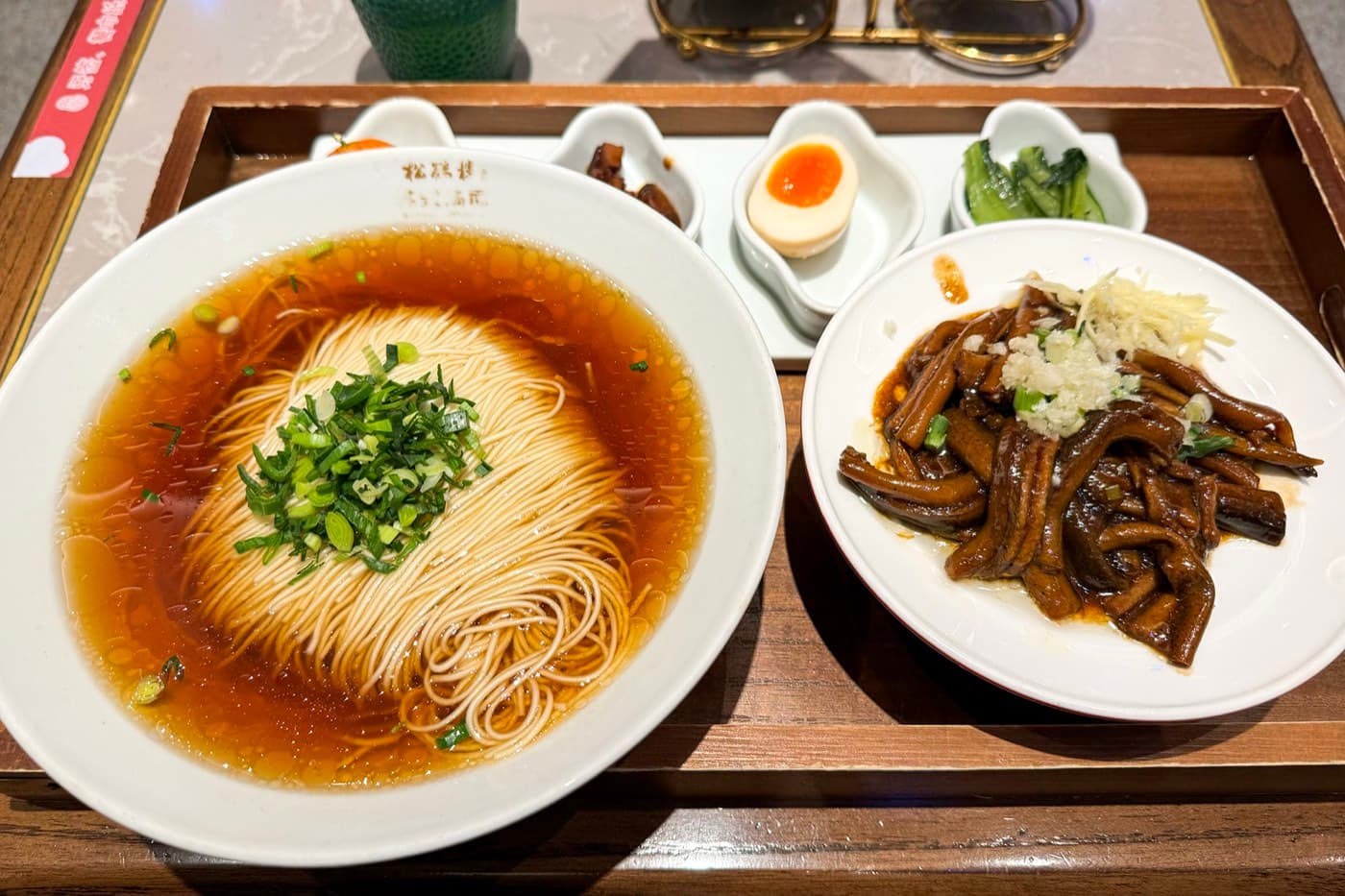
Suzhou is usually sold to foreign travelers as gardens, canals, silk, and slow old-town charm. But the city now has a sharper dining angle: Michelin has moved into Jiangsu, and Suzhou's refined Jiangnan food scene suddenly has a global-language hook. This is not a loud luxury city. It is quieter: hotel dining rooms, garden-city polish, Su Bang Cai technique, lake ingredients, serious noodles, and modern restaurants that make Suzhou feel less like a day trip and more like a dinner reservation.
Why Michelin changes the way visitors read Suzhou
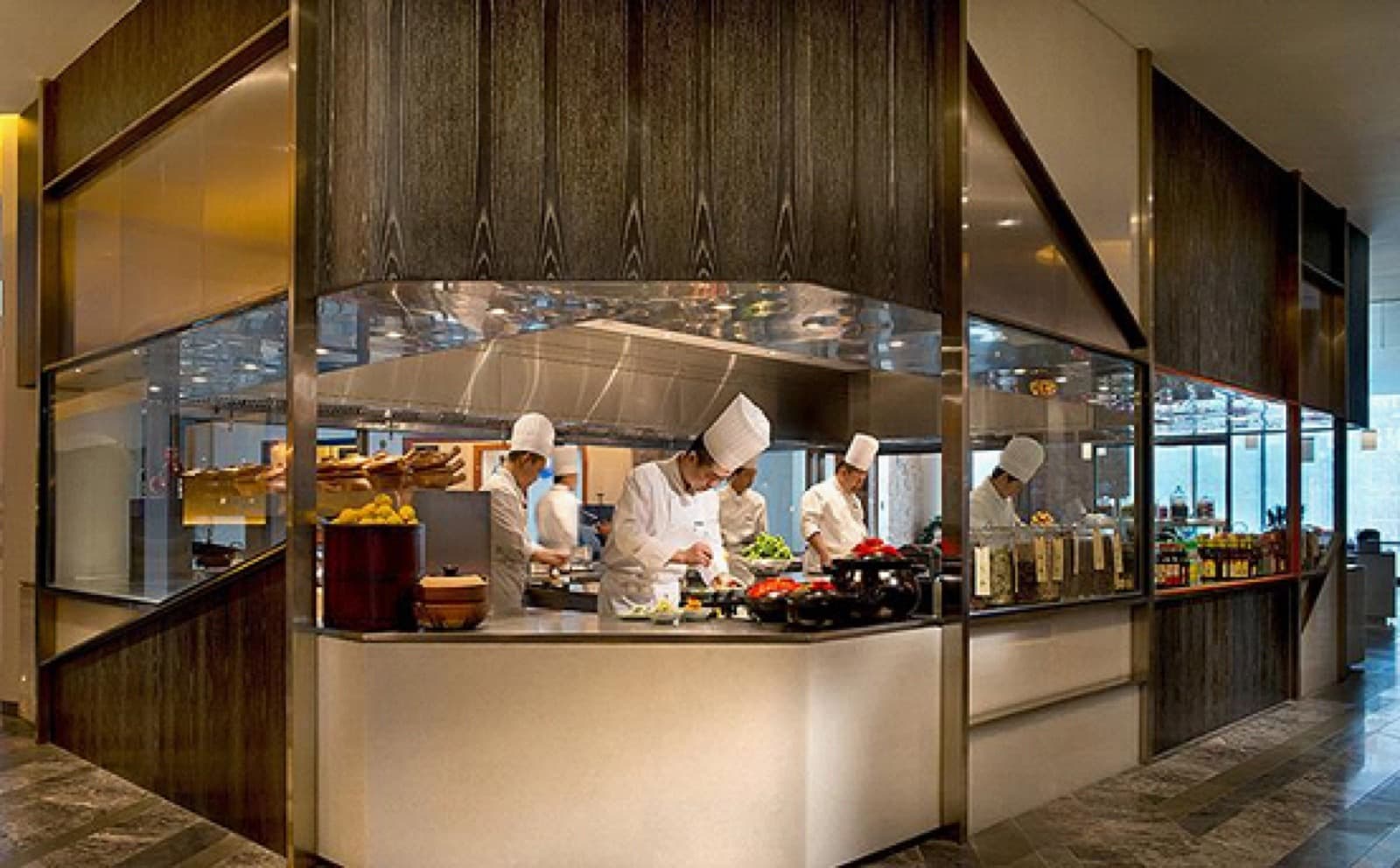
Michelin's 2026 Shanghai, Jiangsu and Zhejiang release frames the region as a connected Jiangnan dining map rather than a Shanghai-only food conversation. For Suzhou, that matters because it gives foreign visitors a familiar way to understand a cuisine that can otherwise feel subtle, sweet, and hard to decode.
The practical point is not that every traveler needs a tasting menu. It is that Suzhou now has a stronger argument for staying overnight: gardens by day, fine Jiangnan cooking by night.
SIP is the modern dining cluster
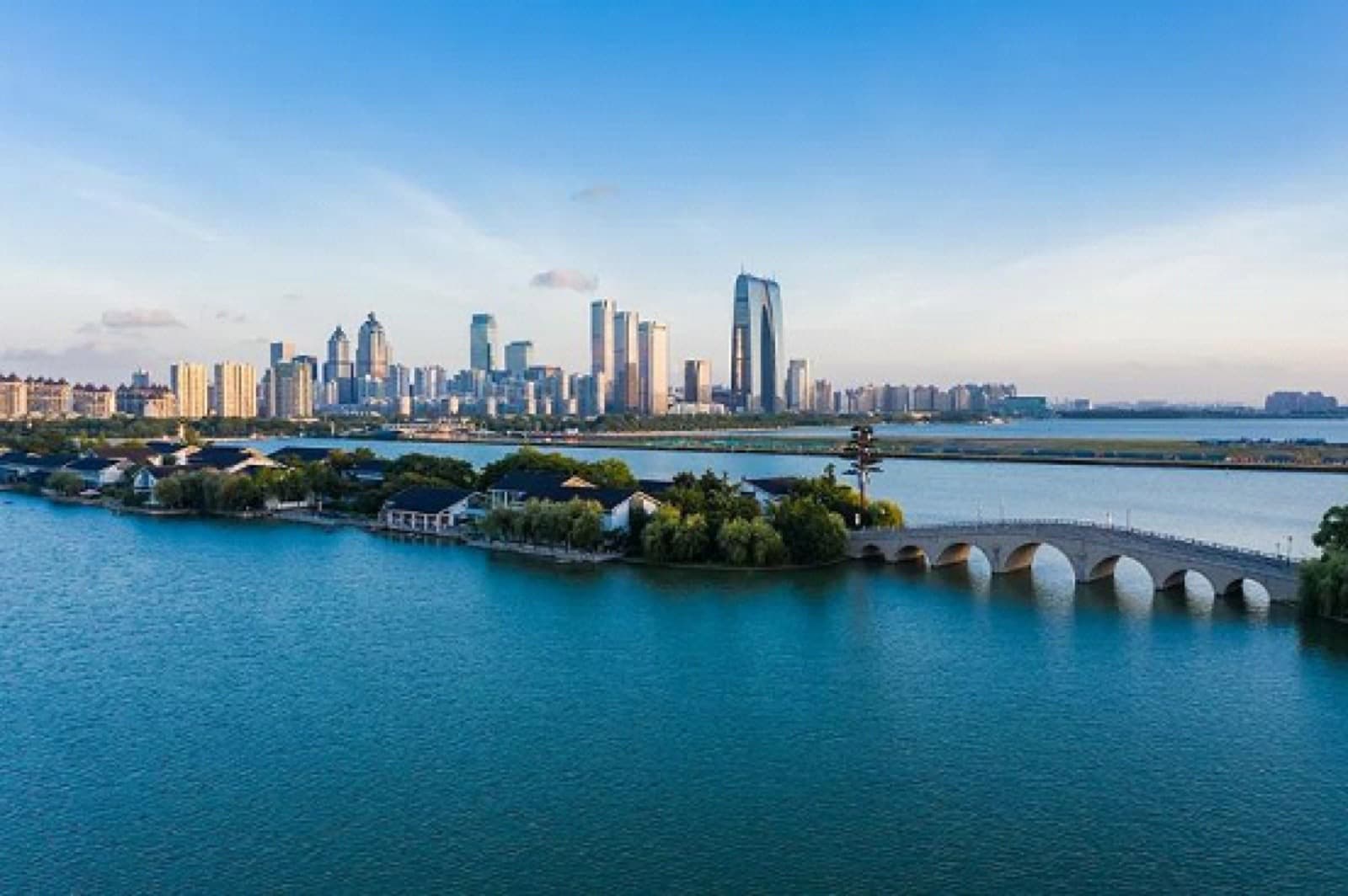
The Suzhou Industrial Park official site says 11 restaurants in SIP were selected in the first Michelin Guide Jiangsu, while Suzhou as a whole had 29 restaurants listed. The article names places such as Hua Chi 88, Su Mian Fang, Ban Ting Jia Yan, CHAO27, Exquisite Bocuse, Jin Jing Ge, Xiu, Xizhou Hall, Zhuo Yan Zhuo Mian, Oriental Chao, and Su Cheng Jia Yan.
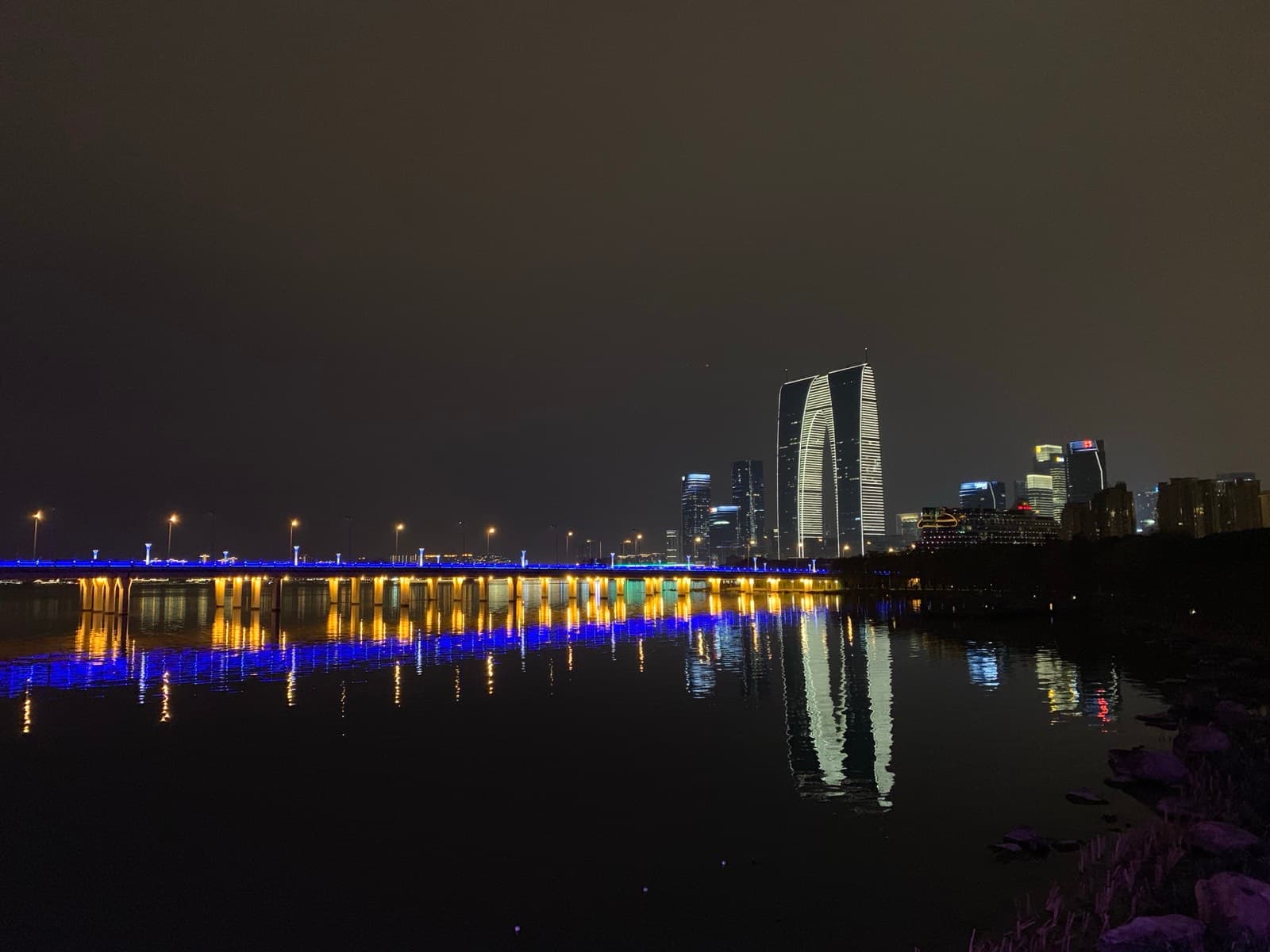
For a visitor, that cluster is convenient because it puts high-end dining near hotels, Jinji Lake, Suzhou Center, Li Gong Di, and evening walks. It is the part of Suzhou where dinner can naturally lead into skyline views, cocktails, or a relaxed ride back to a modern hotel.
What refined Suzhou cooking feels like
Expect delicate sauces, careful knife work, seasonal vegetables, freshwater ingredients, noodles taken seriously, and sweetness used as a balancing tool. If you arrive expecting smoke, chile, huge portions, and loud flavors, you may miss the point.
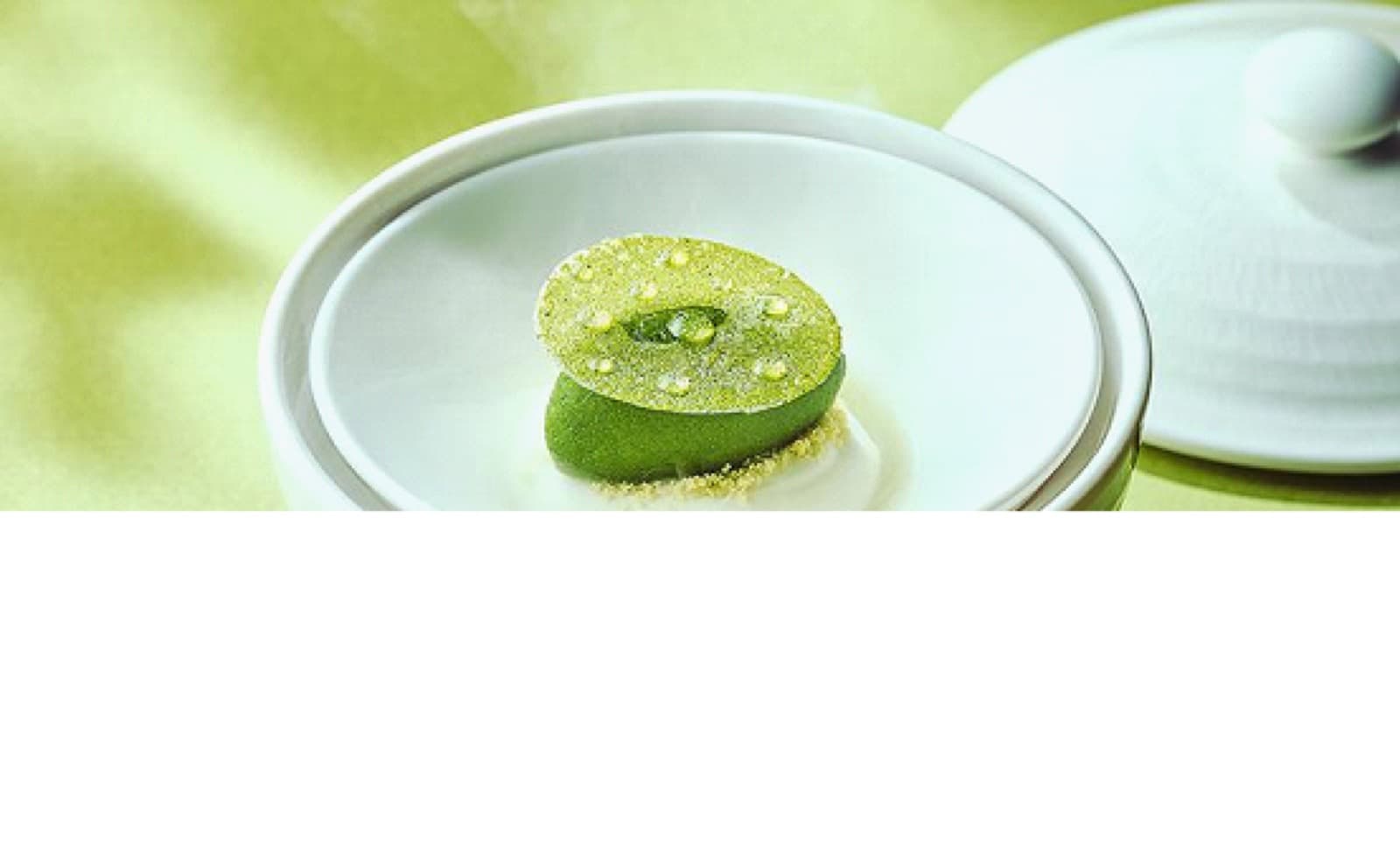
Modern Suzhou restaurants often translate that older Su Bang Cai logic into cleaner plating and more international service rhythms. That makes the cuisine more approachable for Western diners without turning it into generic hotel food.
Classic Su Bang Cai or modern hybrid?
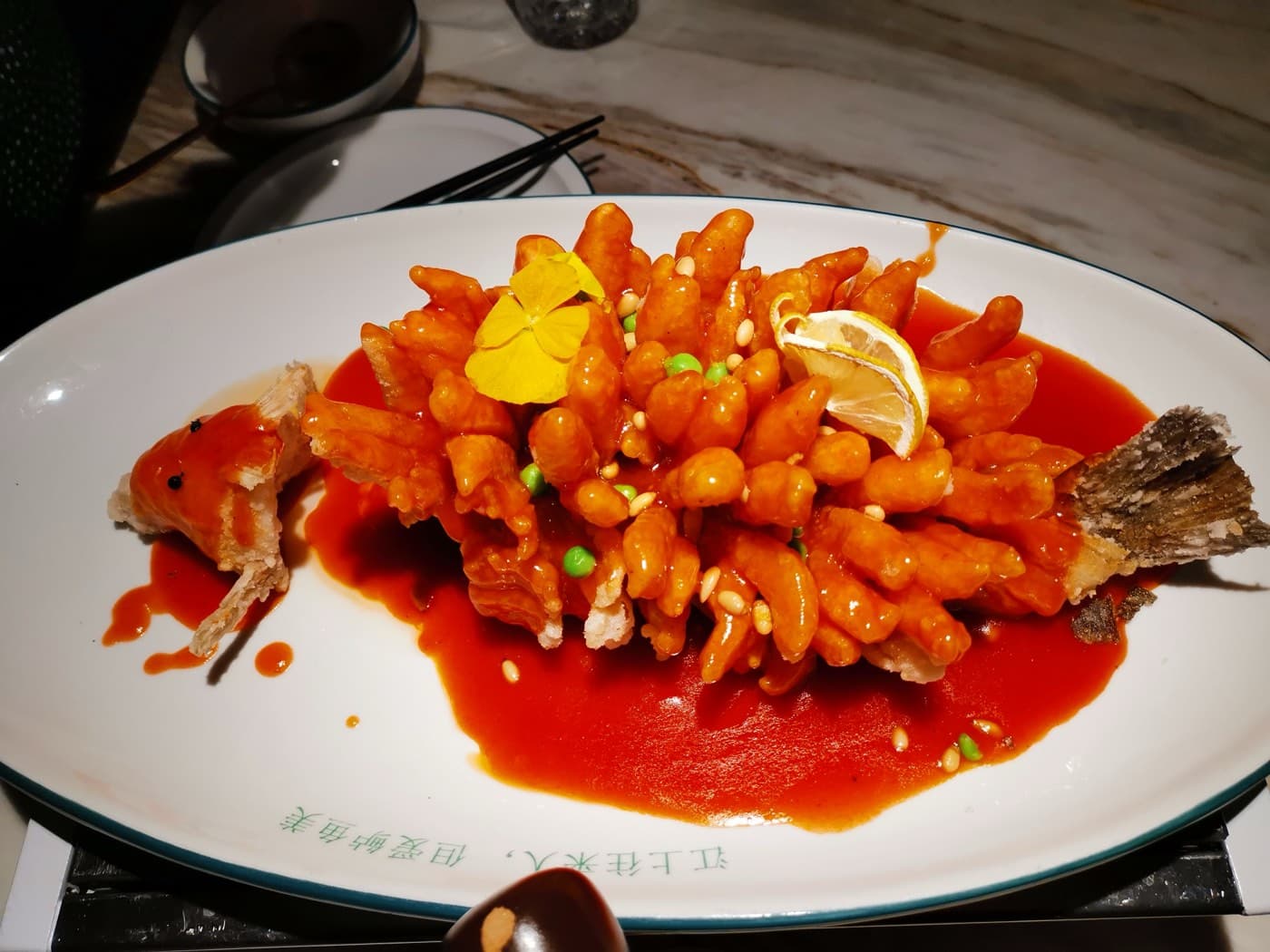
A classic Su Bang Cai meal gives you the city in historical form: squirrel-shaped mandarin fish, shrimp, lake ingredients, braised dishes, seasonal vegetables, and old-restaurant atmosphere. A modern SIP meal may bring Suzhou ingredients into hotel dining, Chaoshan-Suzhou fusion, French technique, or a polished tasting-menu format.
Neither version is automatically more authentic. The better question is what kind of evening you want: old-city name recognition, a comfortable business-dining room, a lake-view hotel meal, or a modern Jiangnan interpretation.
How to choose and book
If you want the safest high-end choice, start with a Michelin-selected restaurant near your hotel or near Jinji Lake. If you care more about Suzhou identity than service polish, choose a respected Su Bang Cai restaurant in the old city. If value matters, look at Bib Gourmand-style recommendations before committing to a formal dinner.
Book ahead for destination restaurants, especially weekends and holiday periods. Dress can be smart casual in many places, but check if you are choosing a hotel dining room or formal tasting menu.