
Suzhou / Local Culture
Suzhou Embroidery Is Not Just a Souvenir: The Silk-Thread Magic Behind Su Xiu
Suzhou embroidery can be easy to underestimate if you only see it as a souvenir. Look closer and it becomes almost unbelievable: silk threads split into fine strands, fur and flower petals built stitch by stitch, two-sided works with no obvious back, and a craft history shaped by women artists, court workshops, export markets, family studios, and Zhenhu's embroidery community.
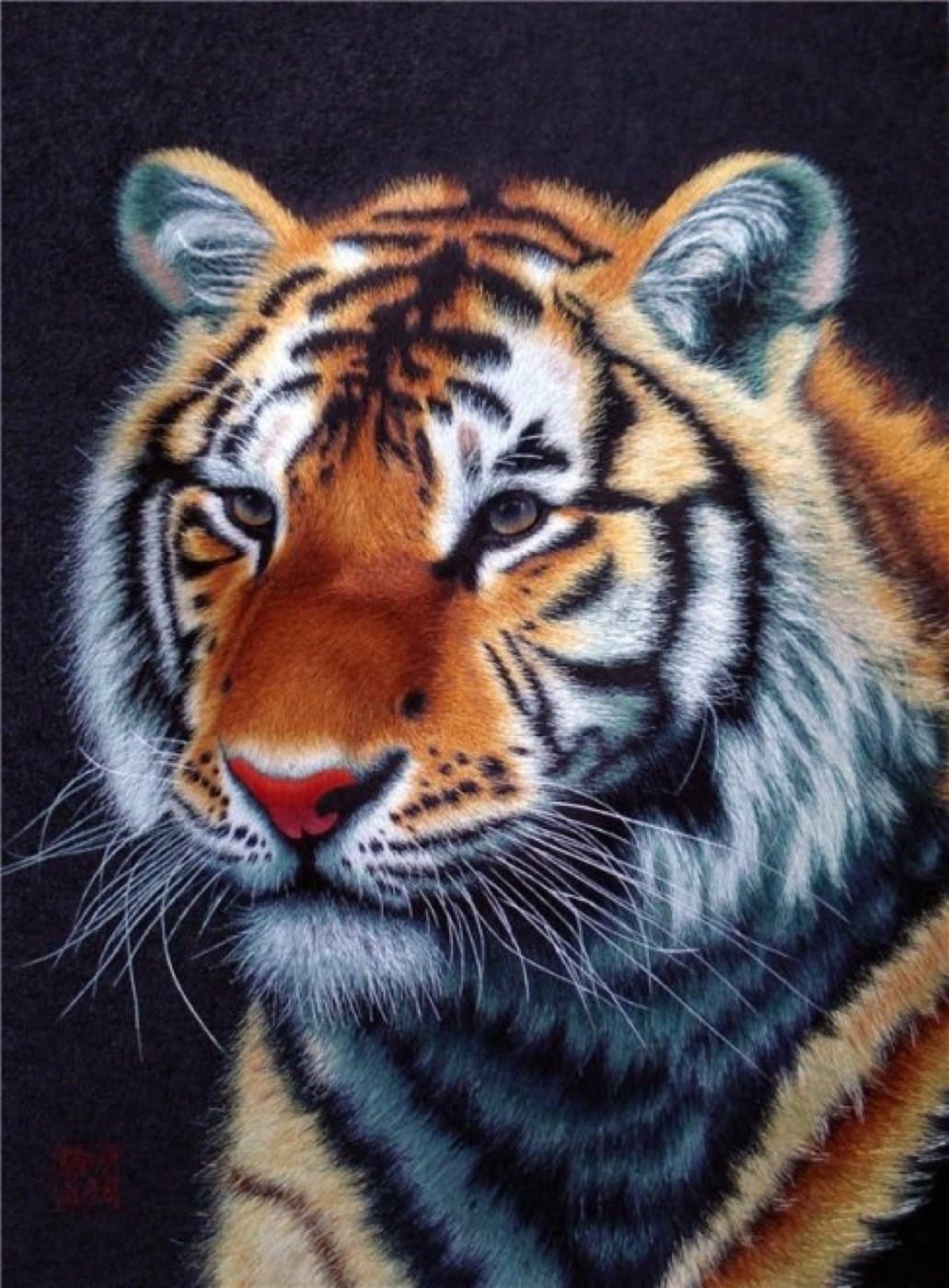
Start by looking closer
Suzhou's official English site describes Suzhou-style embroidery as delicate, refined, elegant, and known for fresh, subdued color. That sounds polite until you stand in front of a strong piece and realize the surface is not paint. It is thread.
For Western visitors, the hook is simple: Su Xiu often rewards the same close looking you would bring to a painting, but with a completely different material logic. Texture, light, direction, and color transitions are built by hand.
Why Su Xiu is a big deal
The official Suzhou page places Suzhou embroidery among China's Four Great Embroideries, alongside Hunan, Guangdong, and Sichuan traditions. It also traces technical development through Song-dynasty finds, Ming silk-weaving institutions, Qing court demand, and modern research institutes.
That means Su Xiu is not a cute craft category. It sits at the intersection of fashion, court culture, trade, women's labor, fine art, and urban industry. The best way to write it into your trip is as cultural technology: soft material, extremely disciplined control.
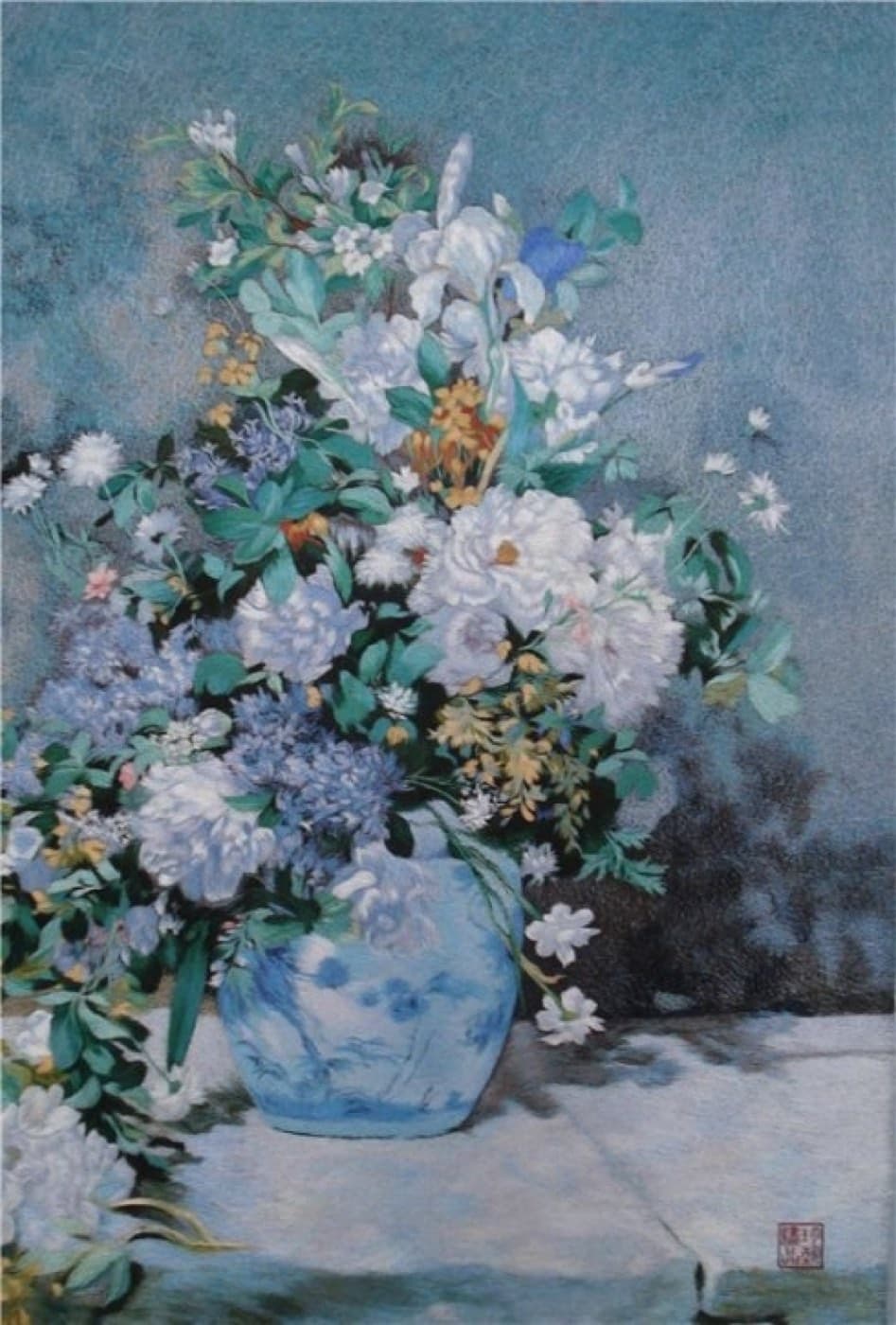
Double-sided embroidery is the tourist gateway
Many visitors first become obsessed with Suzhou embroidery through double-sided work. The basic idea sounds like a trick: an image that can be seen from both sides, with thread ends hidden so cleanly that there is no obvious back.
Do not reduce it to a novelty. Double-sided work is a useful doorway because it makes technique visible. Once you understand how difficult it is to hide structure, you begin to appreciate the discipline behind even quieter pieces.
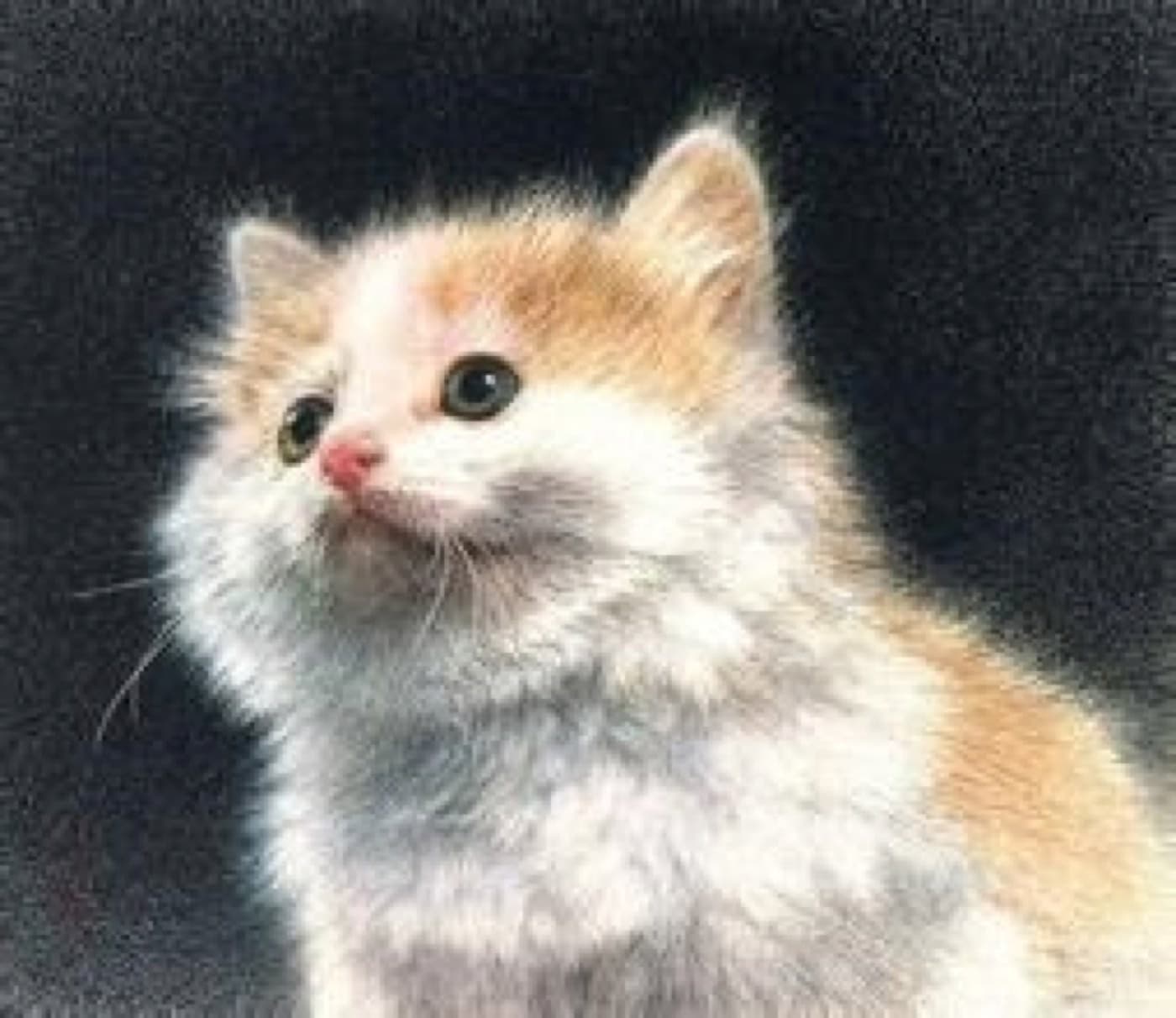
Zhenhu: not just a shopping name
The official Suzhou source identifies Zhenhu Subdistrict as one of the modern centers of Suzhou embroidery and notes its protected status in the embroidery industry. For travelers, Zhenhu matters because it connects finished works to a living production community, not only a museum display.
If you go, go with patience. The point is not to bargain your way through a quick souvenir stop. Ask about materials, time, stitchwork, and whether a piece is hand-made, machine-assisted, or a reproduction.
The women-artists story makes the craft richer
Suzhou's official page highlights Shen Shou, a Suzhou embroidery artist who integrated Western light, shadow, and perspective into simulated embroidery. Her international awards and state-gift works are a reminder that this craft was never sealed off from the wider world.
That is useful for Western readers: Suzhou embroidery is not a frozen ancient style. It has absorbed outside visual ideas, responded to market demand, and kept changing through schools, institutes, studios, and individual makers.
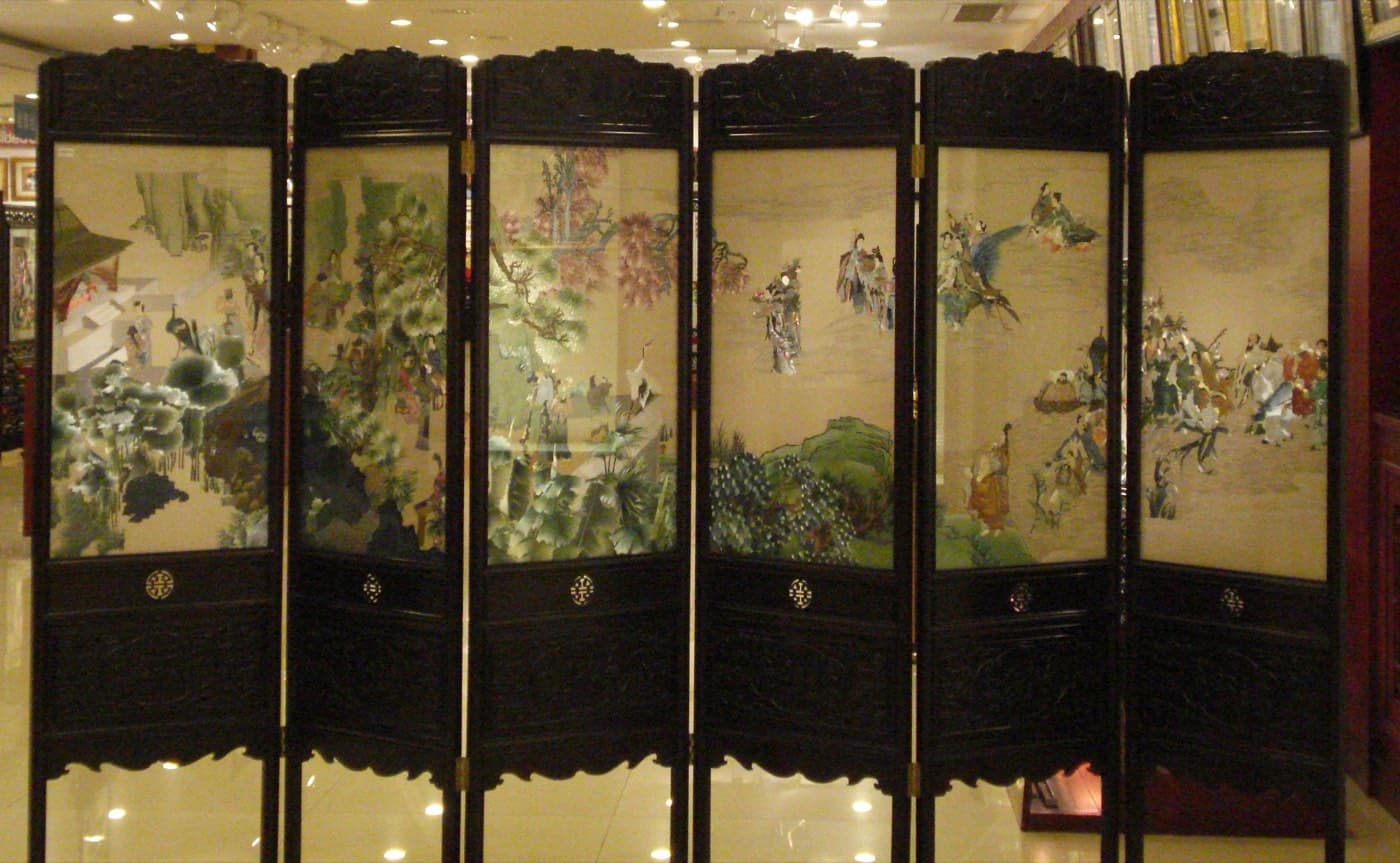
How to add it to a Suzhou trip
Pair Suzhou embroidery with gardens and silk rather than treating it as isolated shopping. A strong culture day could combine Suzhou Museum, a classical garden, Pingjiang Road, and an embroidery stop or gallery. The city then starts to feel like a network of visual disciplines: windows, thread, water, stone, and silk.
If you buy, buy slowly. The cheapest item may still be a pleasant keepsake, but the pieces worth remembering usually come with a story about thread, time, maker, and technique.