
Shenzhen / Practical Guides
Shenzhen Without the Visa Stress: 240-Hour Transit, Hong Kong Routes and Shekou Cruises
Shenzhen is one of China's easiest cities to misunderstand before you arrive. On paper it is a mainland megacity. In real travel logic, it is also a Hong Kong neighbor, a Macao link, a cruise-port city, a high-speed rail stop, and a strong candidate for China's 240-hour visa-free transit rule. The trick is simple: plan the route like immigration staff will read it, not like a casual weekend escape.
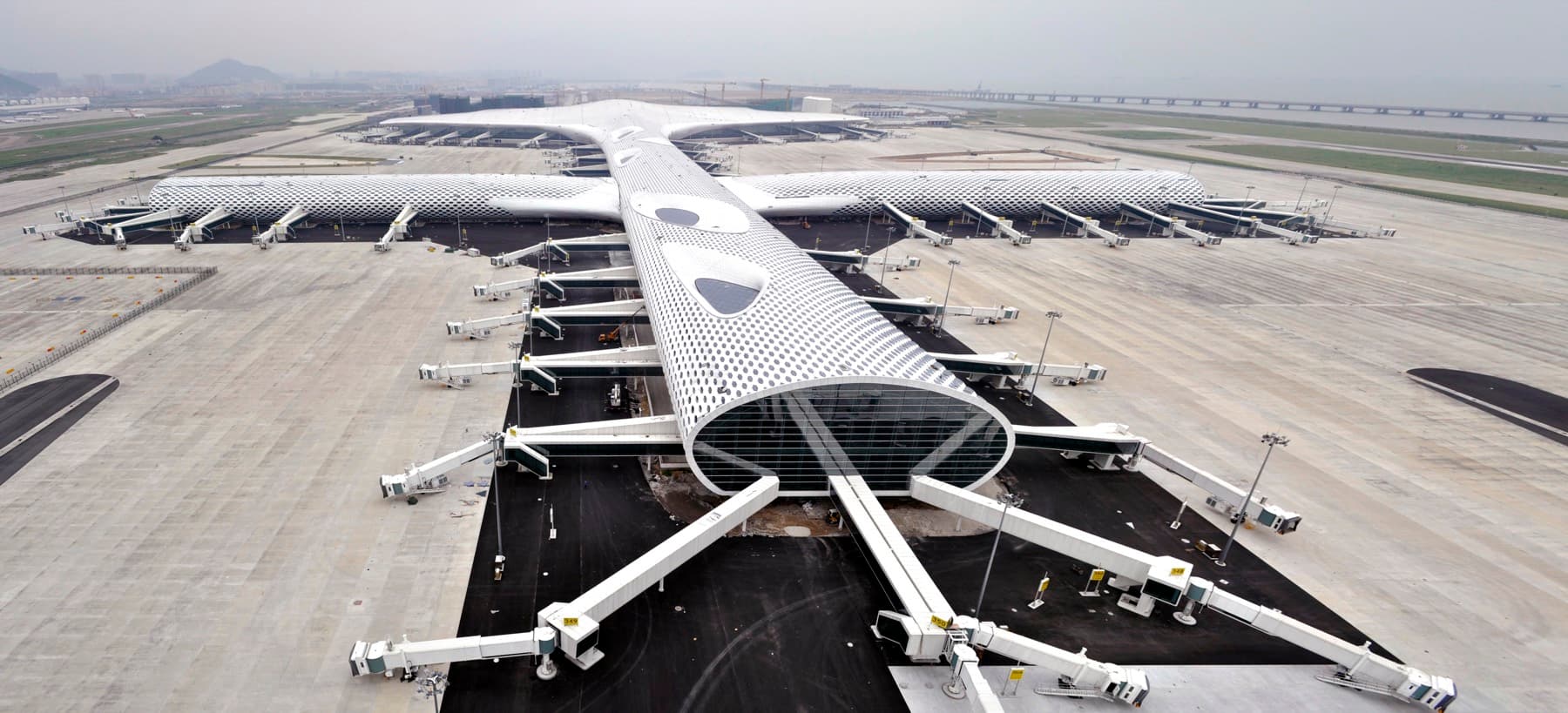
Why Shenzhen is different from a normal China arrival
Shenzhen is not only a place you fly into. It is a border city where Hong Kong, Macao, airport arrivals, rail links, and cruise-port movement can all shape the trip. That makes it extremely useful for Western travelers who want mainland China plus Hong Kong in one itinerary.
The same geography also means you should be precise. A Shenzhen plan can be elegant, but only when the entry route, onward route, passport, hotel stay, and transport choices line up cleanly.
The 240-hour rule in plain English
China's 240-hour visa-free transit policy is not a casual visa waiver for any Shenzhen holiday. It is a transit rule. You need an eligible passport, a valid international travel document, and proof that you will leave mainland China for a different third country or region within the allowed time.
For Shenzhen, that can be powerful because Hong Kong and Macao are close. A clean route might be Singapore to Shenzhen to Hong Kong, or London to Hong Kong to Shenzhen to Tokyo, depending on current policy, ticketing, and airline acceptance. A weak route is anything that looks like a round trip disguised as transit.
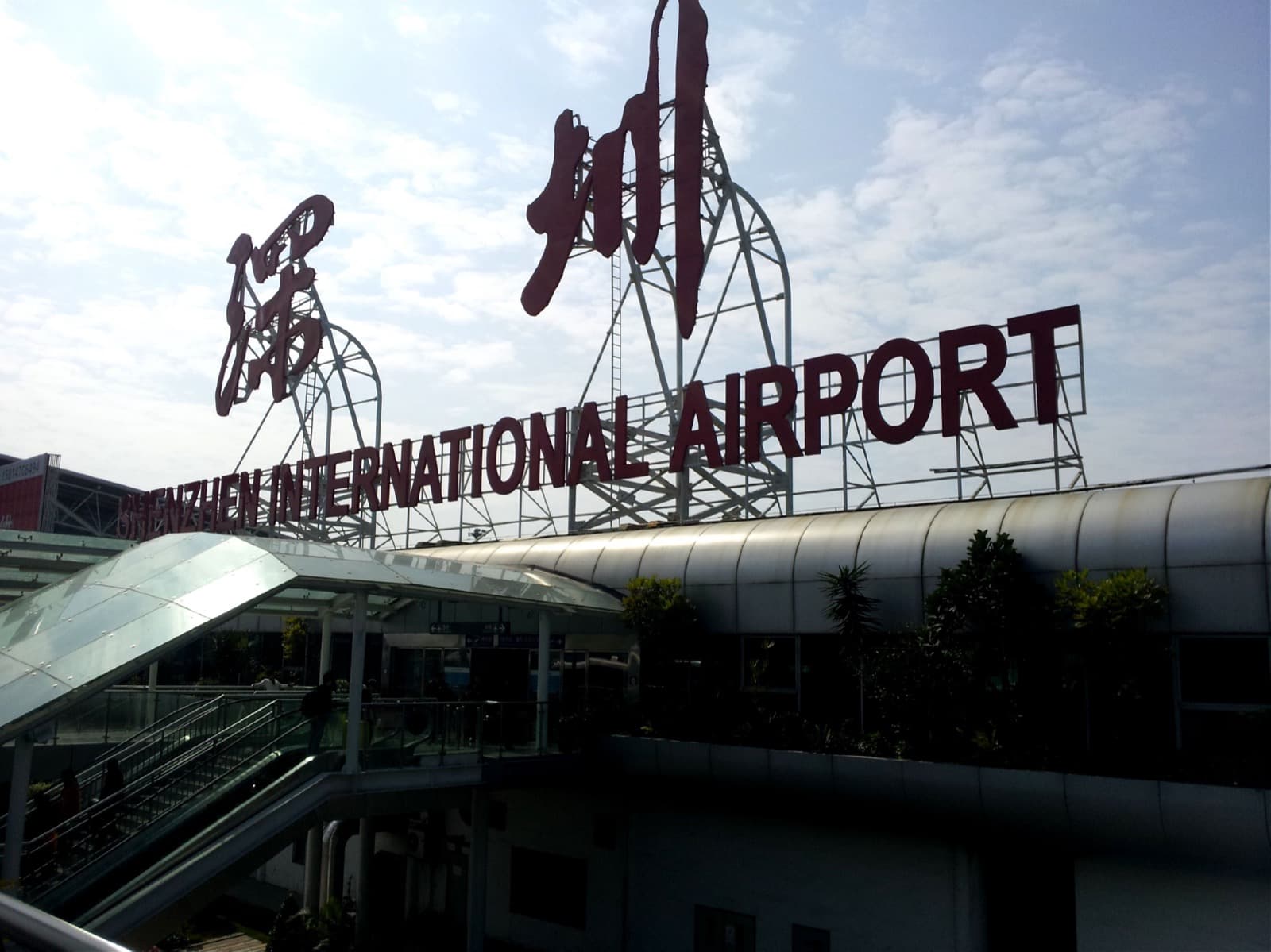
Bao'an Airport or Shekou?
Bao'an Airport is the simplest arrival point if you are flying directly into Shenzhen. It gives you predictable airport immigration, metro and taxi access, and a straightforward path into Futian, Nanshan, Luohu, or your hotel area.
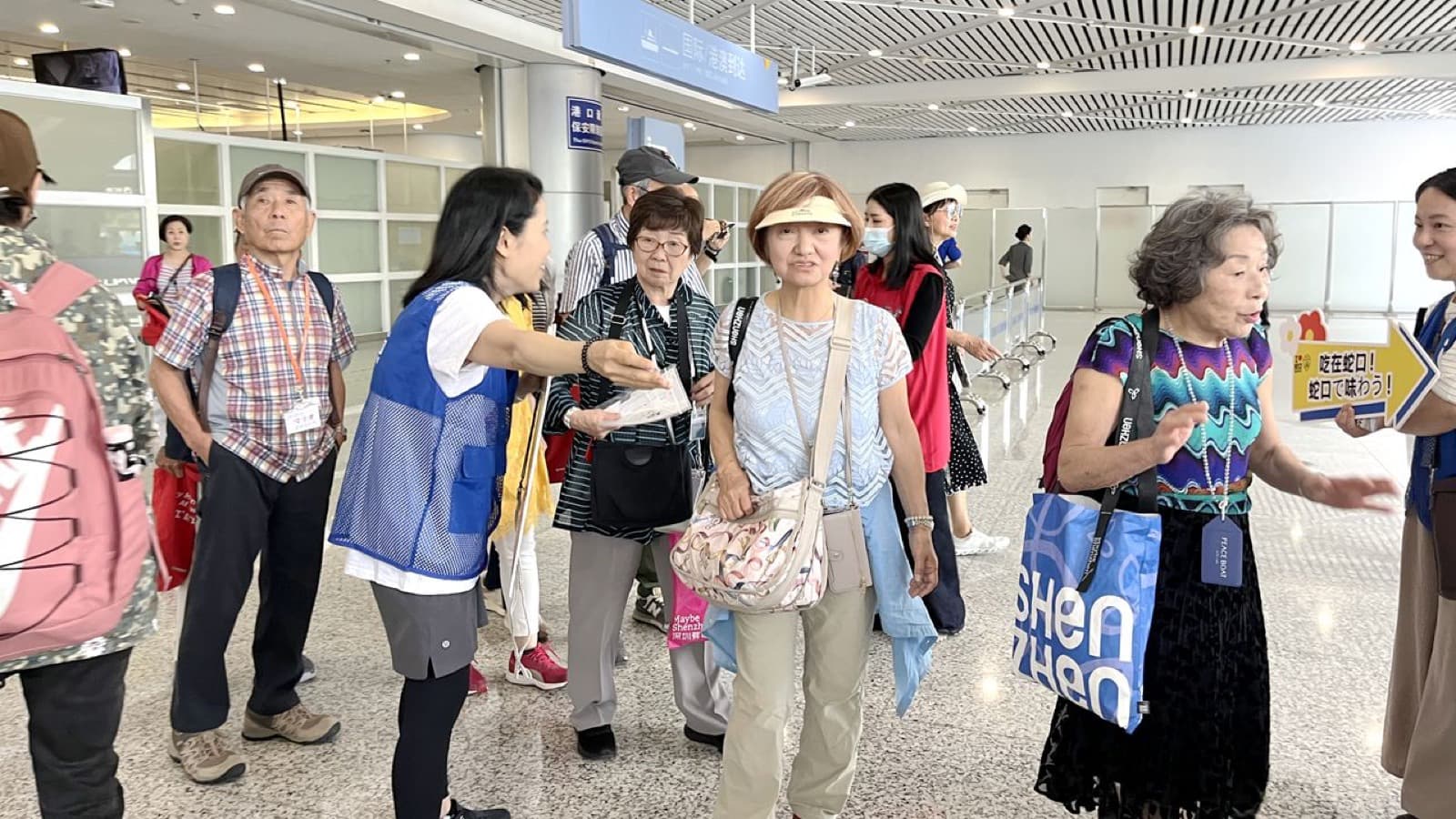
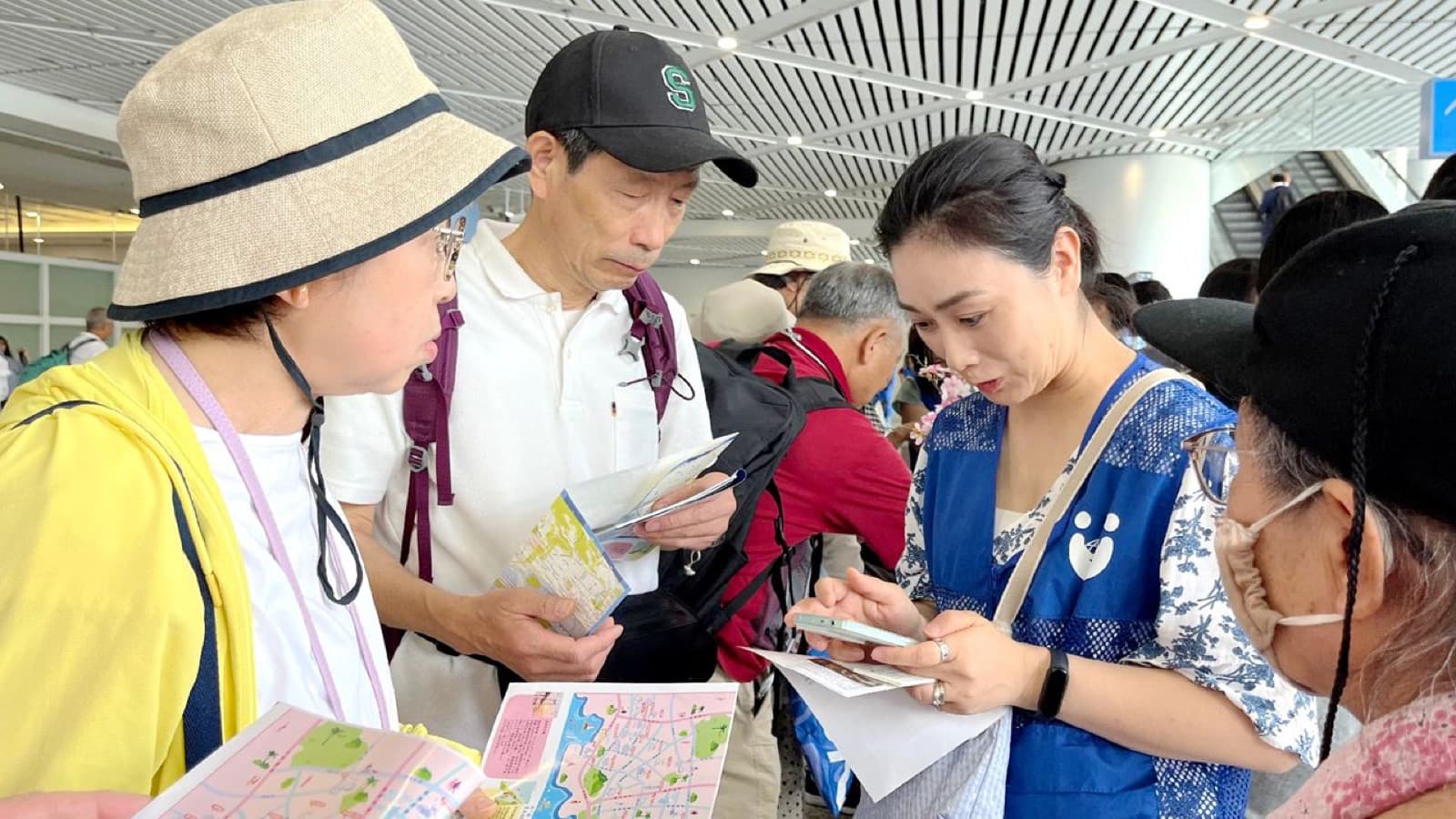
Shekou is different. EyeShenzhen's 2025 inbound-travel coverage highlights Shekou cruise arrivals and visitor-service support, which fits Shenzhen's role as a maritime and Greater Bay Area gateway. Use Shekou when the cruise or ferry-side route is genuinely part of your itinerary, not just because it sounds interesting.
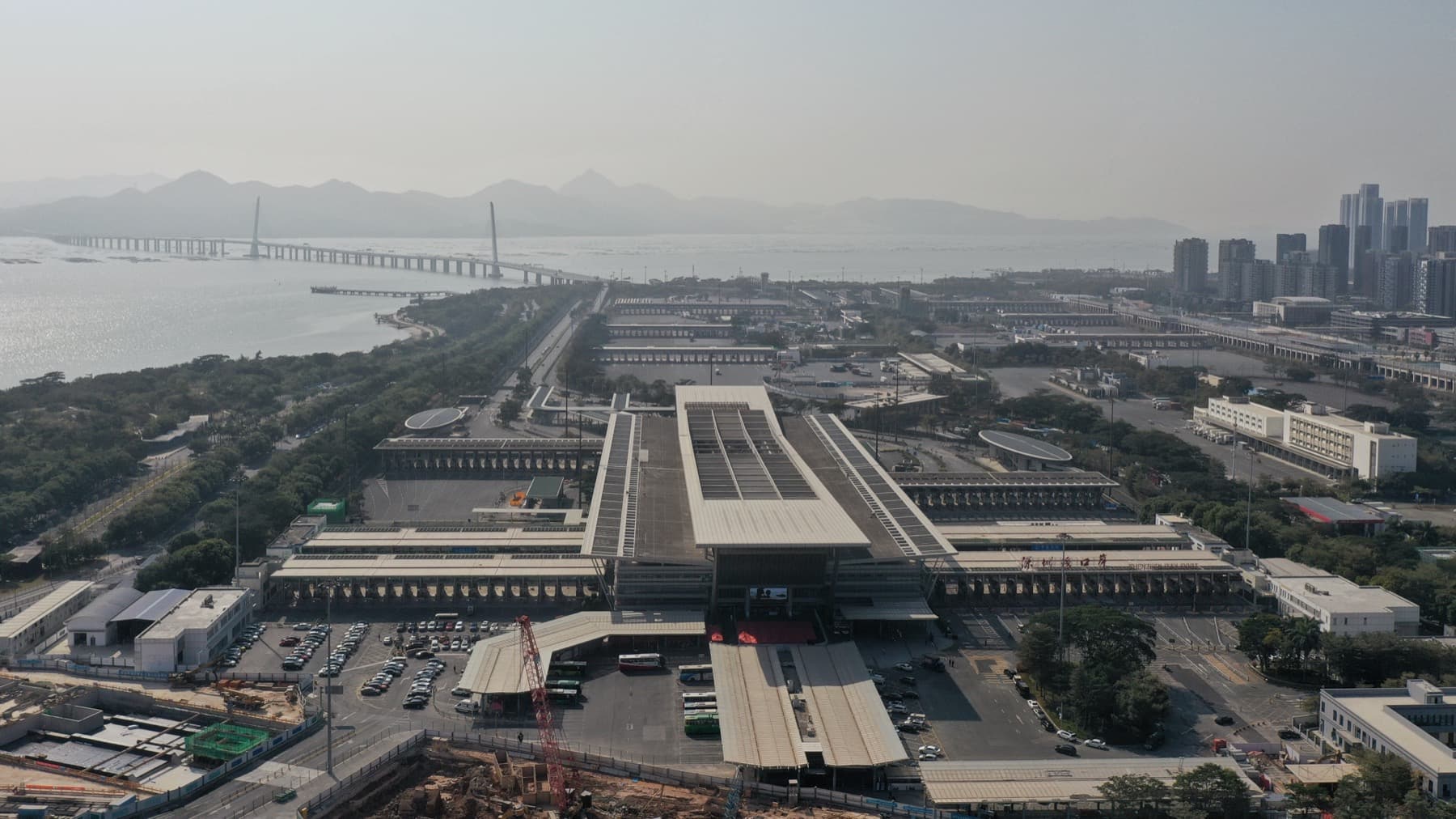
Hong Kong and Macao make the itinerary smarter
Shenzhen is one of the best mainland cities to pair with Hong Kong because the contrast is immediate. You can move from Hong Kong's dense international finance-and-harbor rhythm into Shenzhen's tech districts, huge metro network, malls, parks, and newer urban energy.
Macao can also be part of a Greater Bay Area loop, especially if your wider route uses ferry, bridge, or flight connections. The important thing is to keep the immigration story simple: where you came from, where mainland China fits, and where you go next.
Your arrival checklist
Before departure, save your hotel name and address in Chinese, download offline copies of flight, ferry, cruise, and rail confirmations, and keep your onward ticket easy to show. If you are using 240-hour transit, do not rely on a vague plan to buy the next ticket later.
After arrival, your hotel normally handles foreigner accommodation registration when you check in with your passport. If you stay with friends or in a private apartment, ask how registration will be handled. This is a normal China travel step, not a special Shenzhen rule.
Mistakes that make Shenzhen harder than it needs to be
Do not book a route that returns to the same country or region and assume the word transit will fix it. Do not mix separate tickets without checking whether the airline can verify the onward leg. Do not enter through one city and wander outside the permitted area before checking the current official table.
The calm version is better: build one clean route, keep documents offline, confirm the policy close to travel day, and let Shenzhen be what it is best at: a practical mainland doorway beside Hong Kong.