Nanjing / Local Culture
Why Nanjing Feels So Different: Mountains, River, Lake, Walls and Forest
Nanjing's strongest first impression is not only history. It is space. Purple Mountain pulls the city eastward, the Yangtze gives it a huge northern edge, Xuanwu Lake opens the center, Qinhuai River makes the old city intimate, and the Ming wall keeps reminding you that this was once a capital built for defense and ceremony.
Nanjing is a landscape city before it is a checklist
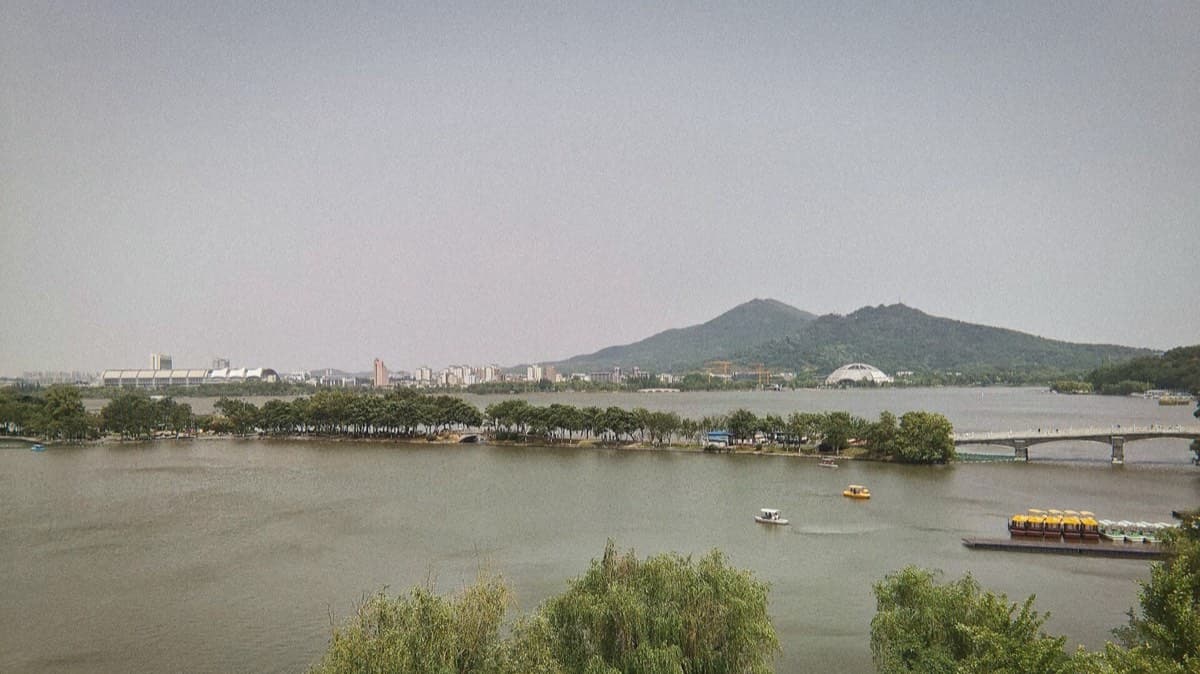
Official city descriptions often frame Nanjing through mountains, water, city, and forest. That is not just promotional language. The city is physically shaped by Purple Mountain, the Yangtze River, Xuanwu Lake, Qinhuai River, and walls that still define how visitors move and remember.
If your itinerary feels scattered, step back and group places by landscape. The city becomes easier and more beautiful when you stop jumping between pins and start moving through zones.
Purple Mountain: the green backbone
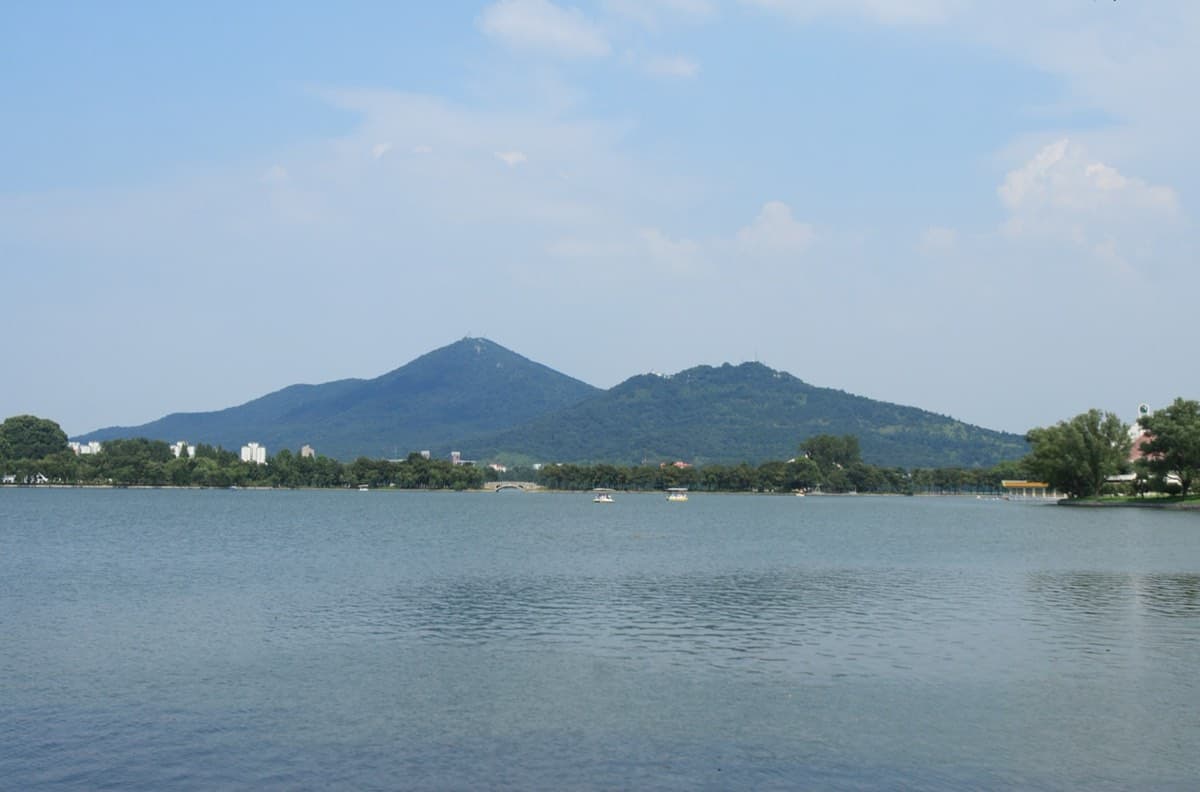
Purple Mountain is not just a scenic hill near the city. It is a historic, spiritual, and political landscape that holds Ming Xiaoling, Sun Yat-sen Mausoleum, forest roads, museums, and seasonal walks. It changes the feel of Nanjing from dense city to capital landscape.
Give it time. A rushed taxi drop can make Purple Mountain feel like any other attraction. A slower route lets you feel why Nanjing's history is tied to terrain, trees, and ceremonial paths.
The Yangtze: scale, industry, bridges, and modern riverfronts
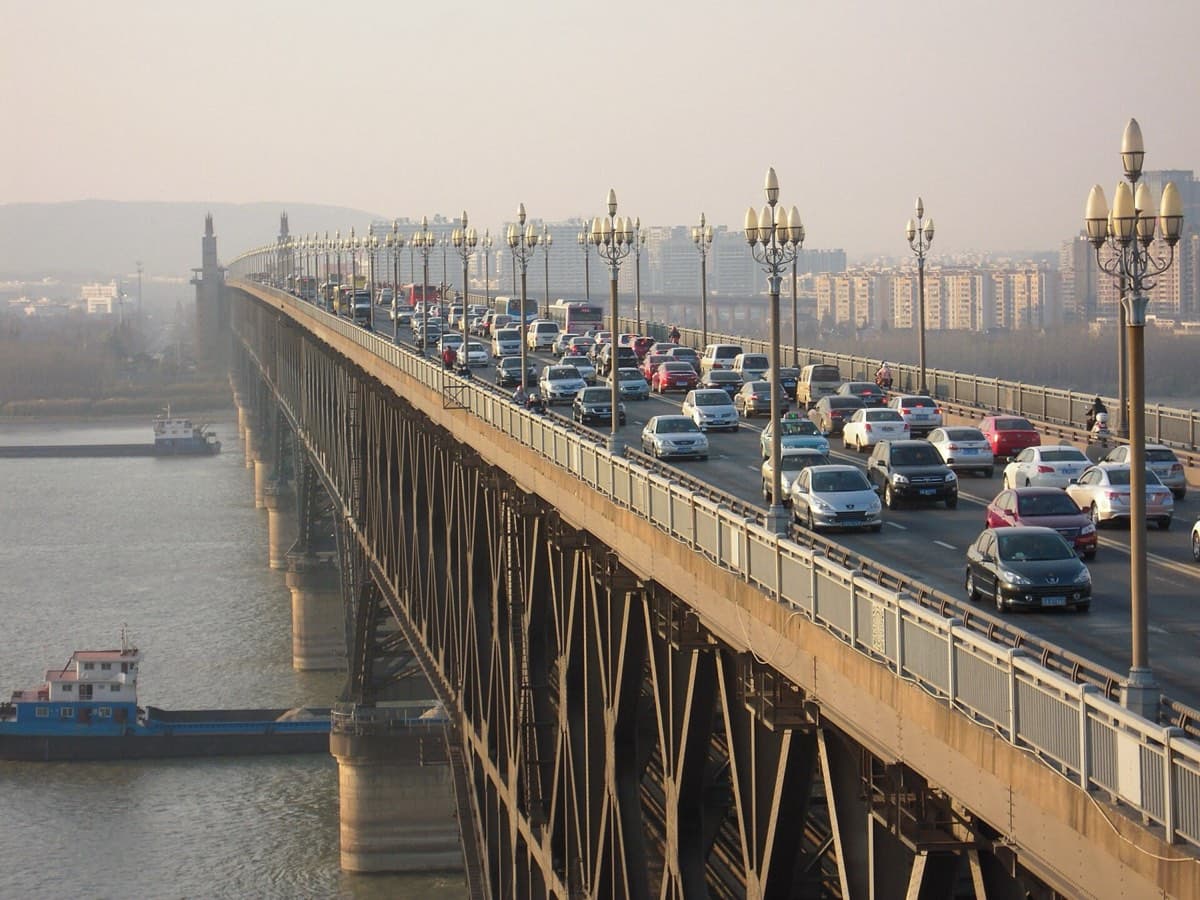
The Yangtze is not as intimate as the Qinhuai. It gives Nanjing scale. Bridges, port history, riverfront development, and Hexi's newer skyline make the city feel connected to a much larger national geography.
For most visitors, the Yangtze is less about one must-see spot and more about understanding Nanjing's edge. If you stay in Hexi or cross the river, the city suddenly feels wider, newer, and more infrastructural.
Xuanwu Lake: the central breath
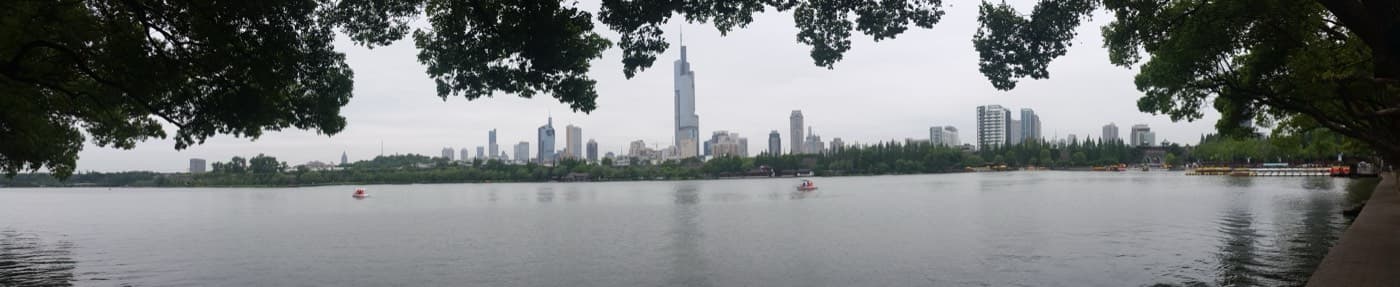
Xuanwu Lake is one of the best places to understand Nanjing on foot. You see water, skyline, city wall, gates, and Purple Mountain's distant outline in the same visual field. It is also a relief after station transfers, museums, and busy shopping streets.
Go in the morning if you want local life and softer light. Go near sunset if you want the city to look like a layered capital rather than a modern Chinese city competing with every other skyline.
Qinhuai River: smaller water, bigger mood
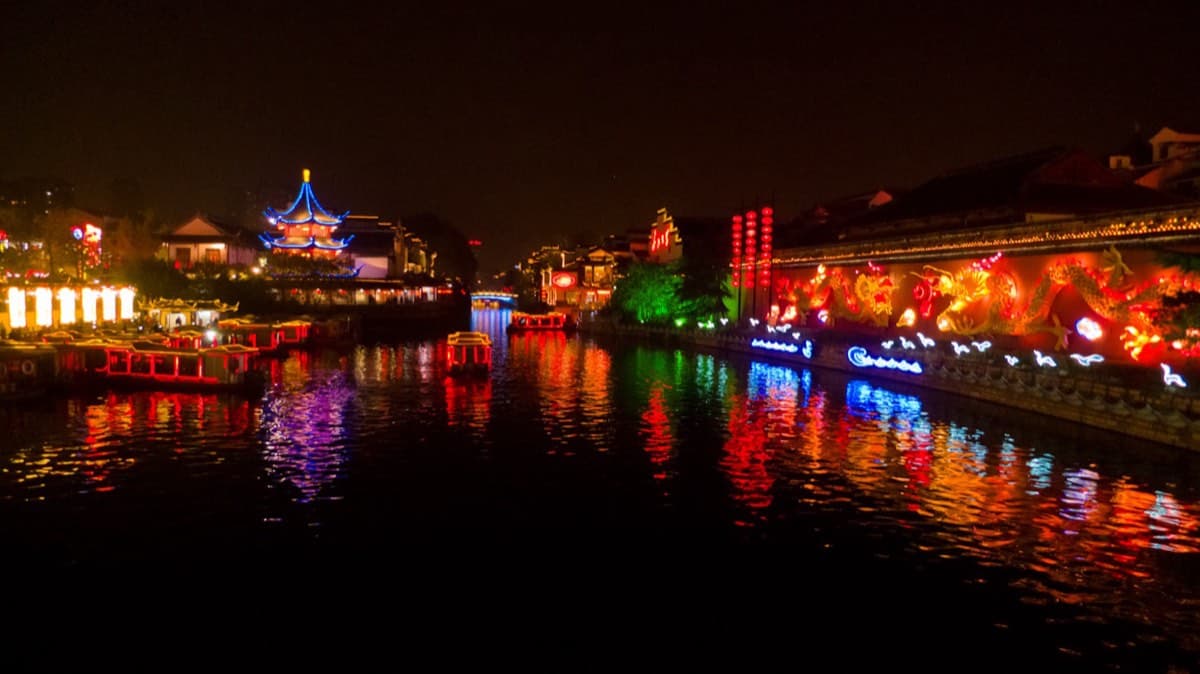
The Qinhuai River works differently from the Yangtze. It is close, walkable, lit at night, and tied to Confucius Temple, old commercial streets, bridges, and the memory of southern literati culture. It is touristy, yes, but it still earns its place.
Treat it as an evening district rather than a standalone attraction. Dinner, lights, a slow river walk, and one or two nearby historical stops make the area feel much better than a quick photo stop.
Use the city wall as your compass
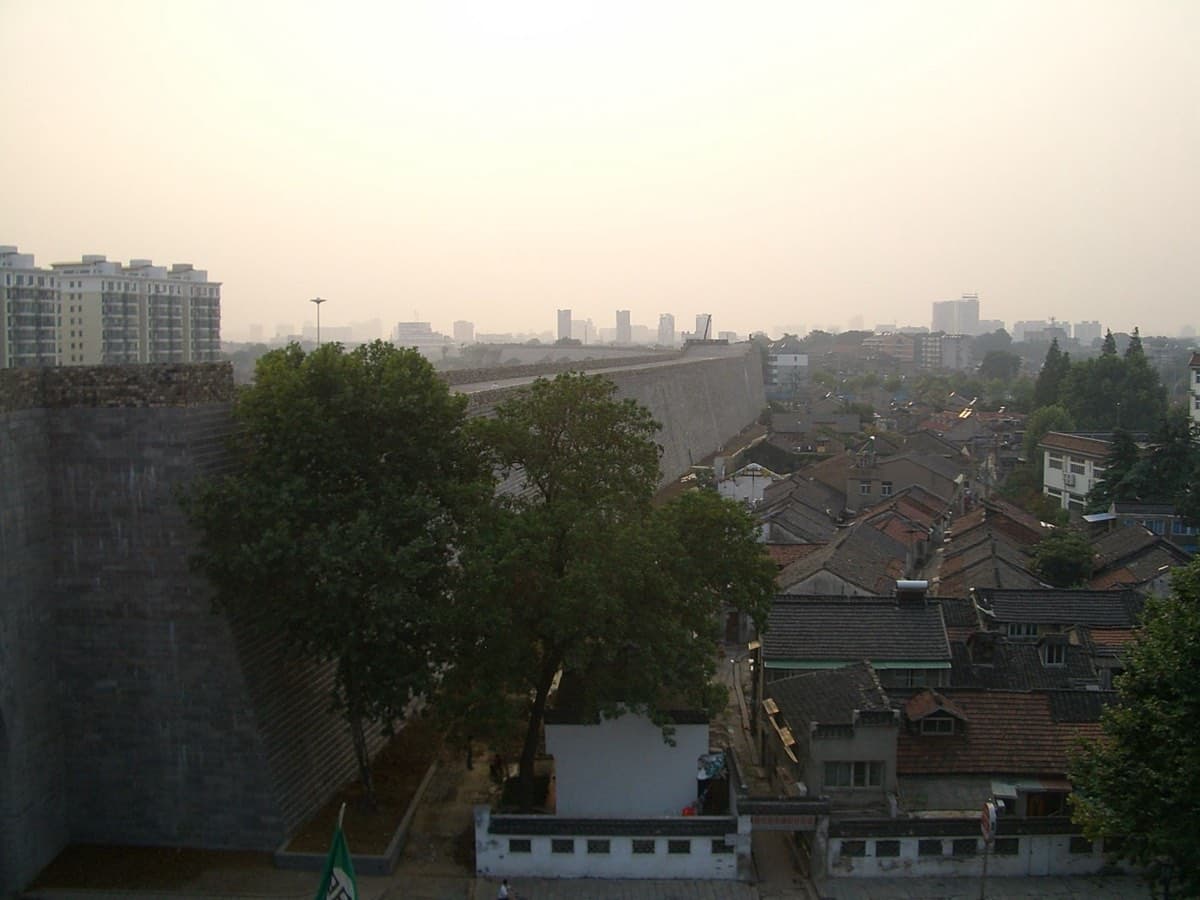
Nanjing's Ming city wall is one of the most useful orientation tools for travelers. It is not just a monument. It tells you where the old city held power, how defense shaped movement, and why certain gates still feel like meaningful thresholds.
A good route can pair wall sections with Xuanwu Lake, Zhonghua Gate, or nearby old-city neighborhoods. Once the wall is in your mental map, Nanjing stops feeling like a loose spread of sights and starts feeling like a designed capital landscape.