
Nanjing / Local Culture
Nanjing's Republic-Era Mood: Plane Trees, Mansions, Universities and the Presidential Palace
Nanjing is famous as an ancient capital, but one of its most distinctive moods is much more recent: Republic-era buildings, plane-tree avenues, old official residences, university campuses, and the Presidential Palace. This is the Nanjing of shaded streets, institutions, memory, and modern political drama.
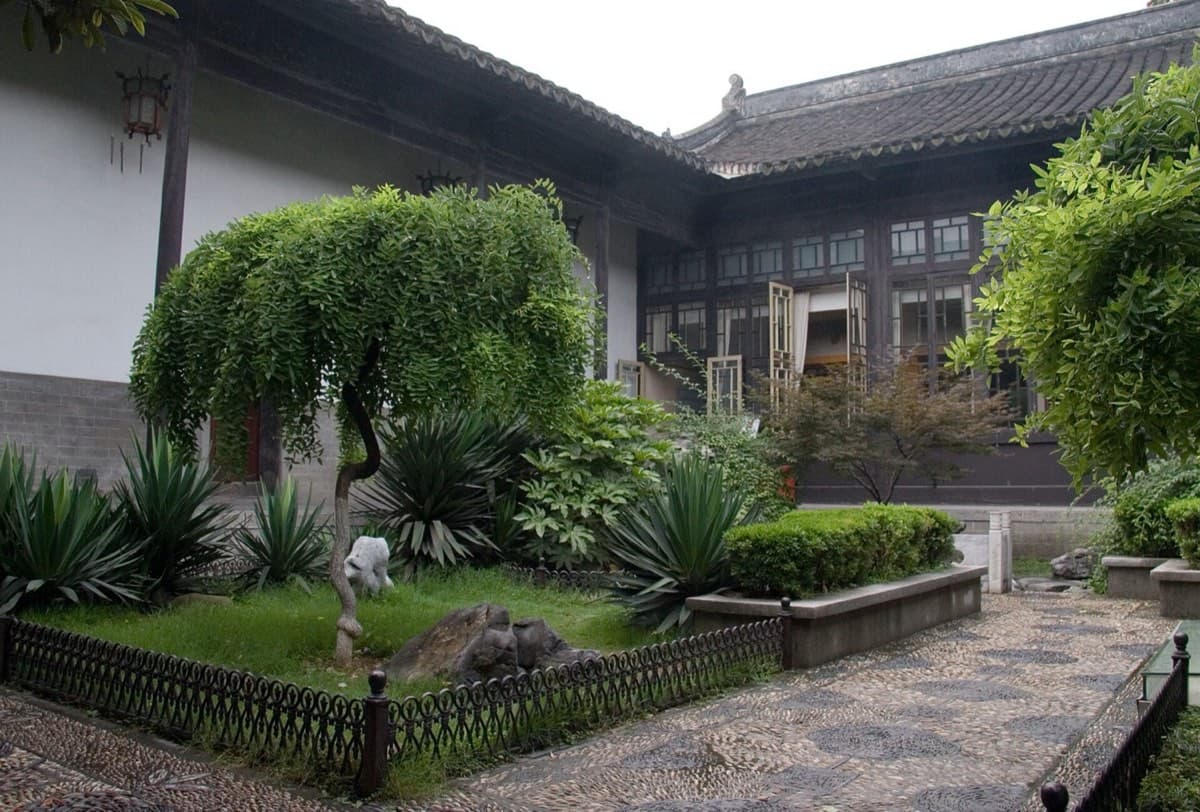
The Presidential Palace is the anchor
The Presidential Palace is the most direct entry point into Republican Nanjing. It is not only one building or one political story. The site carries layers of imperial, Taiping, and Republic-era memory, which makes it perfect for travelers trying to understand why Nanjing's modern history feels so dense.
Give it enough time. If you rush through looking only for one famous office or courtyard, you miss the way the site connects government, revolution, conflict, and city identity.
Changjiang Road and 1912: politics turning into nightlife
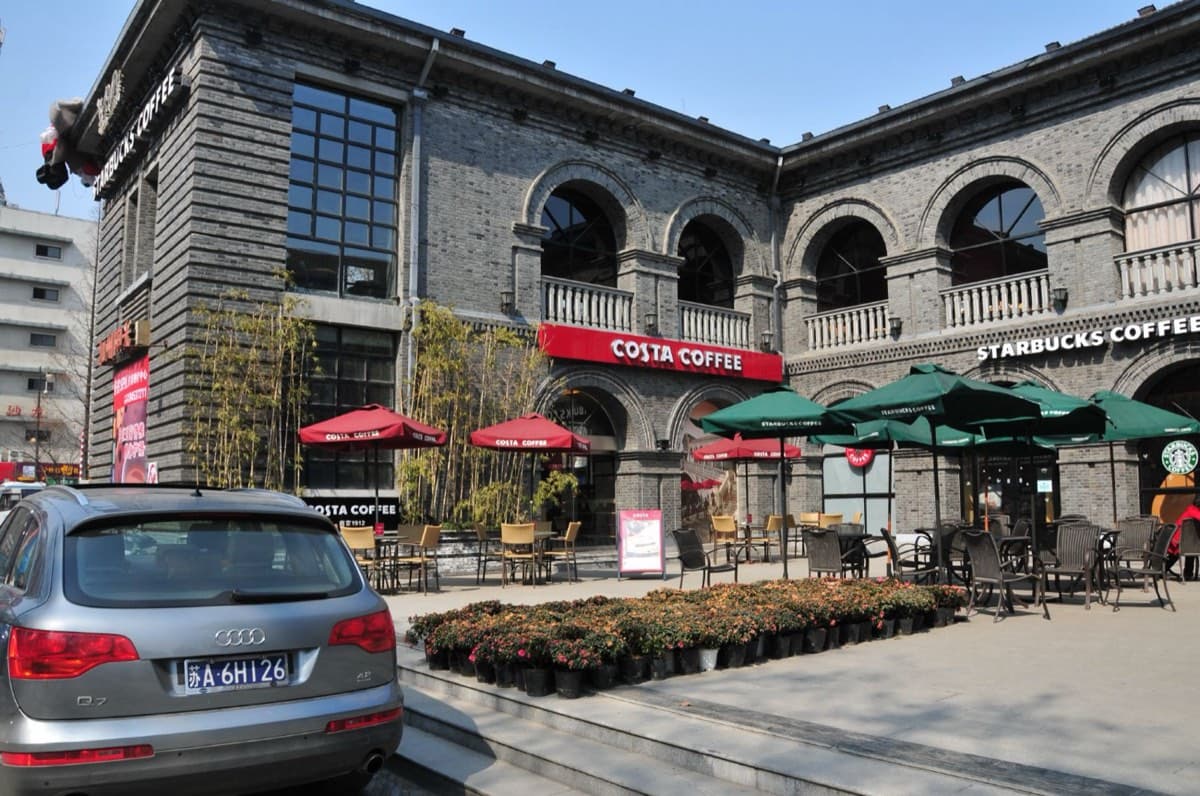
Changjiang Road is useful because it connects political memory, museums, commercial streets, and the 1912 district. It lets you move from daytime history into an easier evening without crossing the whole city.
1912 is not a secret local haunt. It is polished, commercial, and tourist-friendly. That can still be useful: after a heavy history day, a simple dinner or drink nearby may be exactly what your itinerary needs.
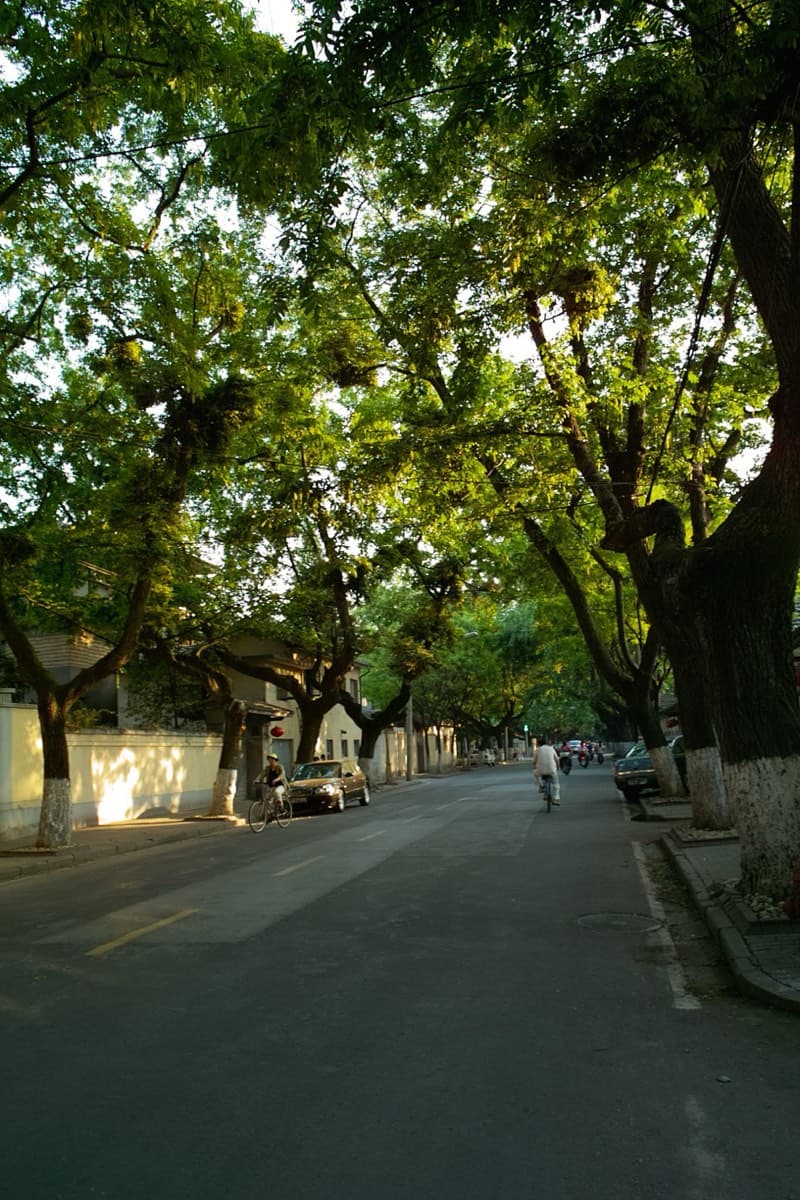
Yihe Road: the walk that makes Nanjing feel unlike anywhere else
Yihe Road is where Nanjing's Republic-era mood becomes quiet and physical. Plane trees, villas, old residences, and shaded streets make the area feel cinematic without needing much explanation.
This is a good place to slow down. Do not treat it like a checklist attraction. Walk, look at details, stop for coffee if the route allows, and let the streets do the historical work.
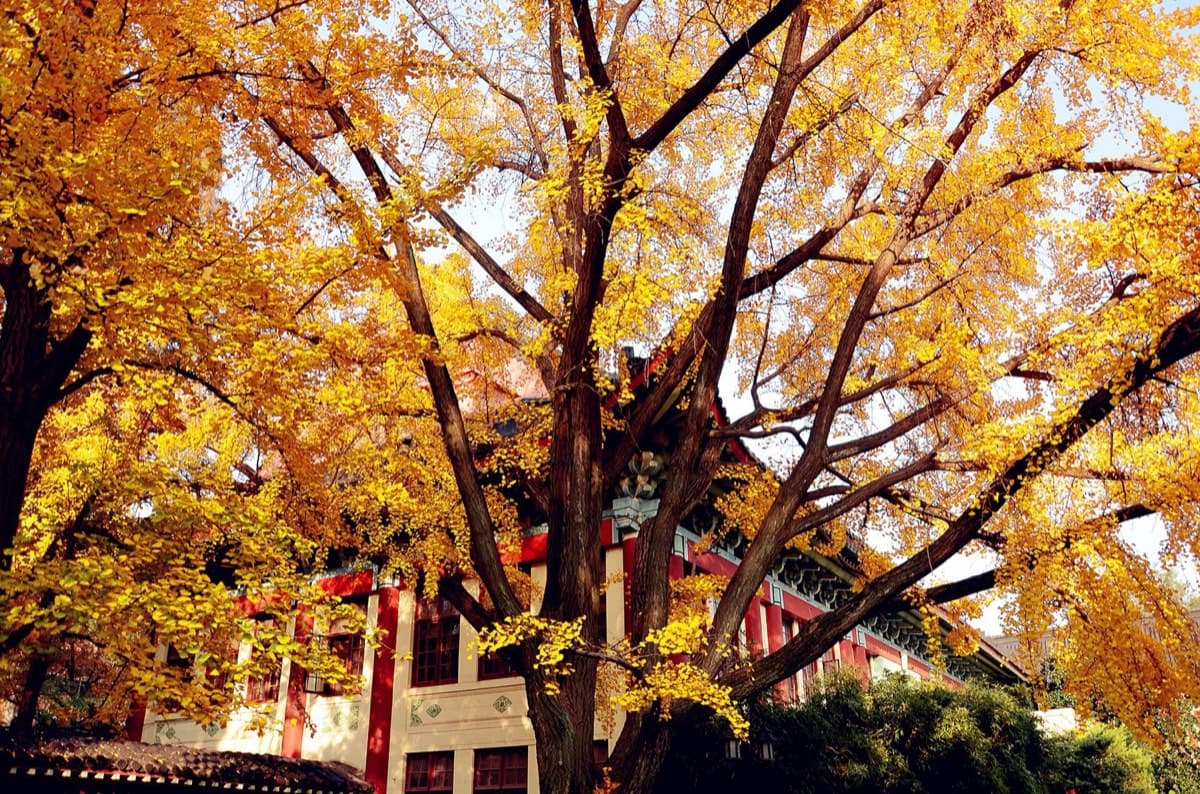
Universities: the serious, leafy side of the city
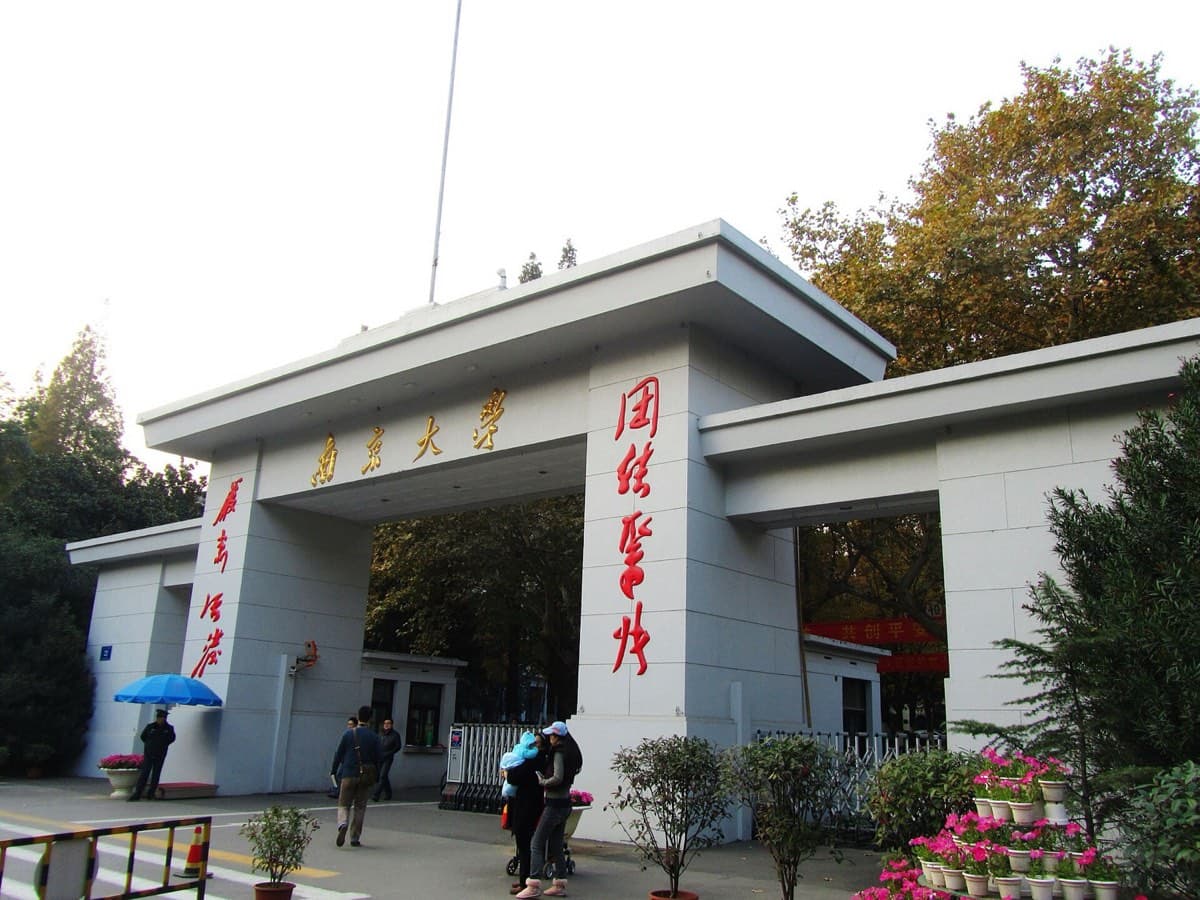
Nanjing University, Nanjing Normal University, and the Gulou academic belt add another layer to Republican and modern Nanjing. The campuses and nearby streets carry a quieter intellectual mood that balances the formal politics of the Presidential Palace.
For Western visitors, this is often the part of Nanjing that feels most livable: shade, cafes, students, old buildings, and a sense that history is part of everyday streets rather than locked behind ticket gates.
How to plan a Republic-era half-day
Start at the Presidential Palace, walk or ride along Changjiang Road, add 1912 if you want food or an easy break, then move toward Yihe Road or Gulou for a slower afternoon. If you love campuses, add Nanjing University or Nanjing Normal University depending on access and your map route.
This route works best when you avoid rushing. Republic-era Nanjing is less about one blockbuster sight and more about mood: shade, brick, gates, old institutions, and the feeling of a capital city that became modern before it became relaxed.
Why this layer is worth a day
Many China itineraries focus on imperial antiquity, food streets, and skylines. Republican Nanjing offers something different: modern Chinese history with a walkable urban texture. It is political but also atmospheric, serious but also beautiful.
That combination is what makes Nanjing memorable. The city is not only old. It is layered enough to feel thoughtful.