
Nanjing / Local Culture
Nanjing Is Not One Ancient Capital: How to Read 1,800 Years of Layers
Nanjing rewards travelers who do not try to reduce it to one dynasty. It has been Jinling, Jiankang, Stone City, a Six Dynasties capital, a Ming imperial capital, a Taiping center, and a Republican capital. That is why the city feels less like a single museum label and more like a stack of unfinished chapters.
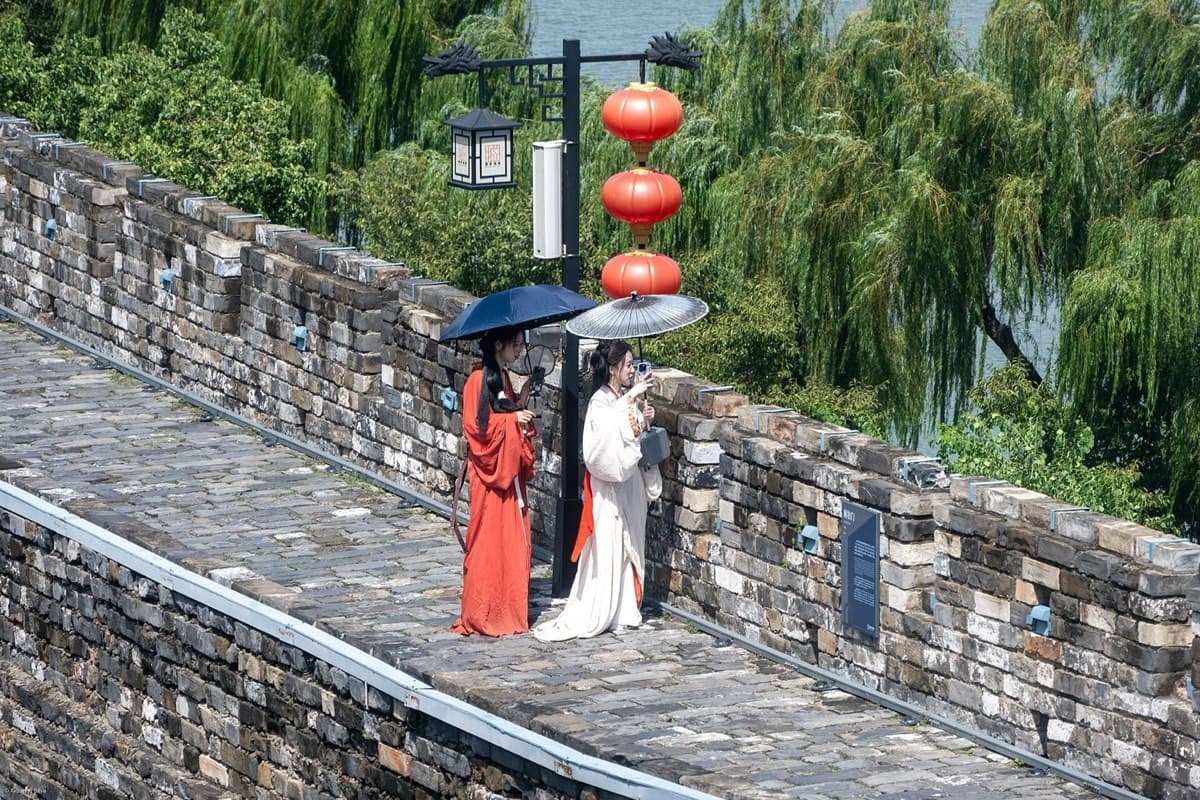
Start with the idea of layers
Official Nanjing history materials describe a city with nearly 2,500 years of history and almost 1,800 years since city construction began. Those numbers matter less as statistics than as a warning: Nanjing is not a place you understand from one palace or one dynasty.
For Western visitors, the useful comparison is not Beijing's imperial core or Shanghai's treaty-port modernity. Nanjing is a layered capital. Ancient walls, river markets, imperial tombs, university streets, and Republic-era buildings sit close enough that a single walk can move between centuries.
Jinling, Jiankang, Stone City: why the names keep changing
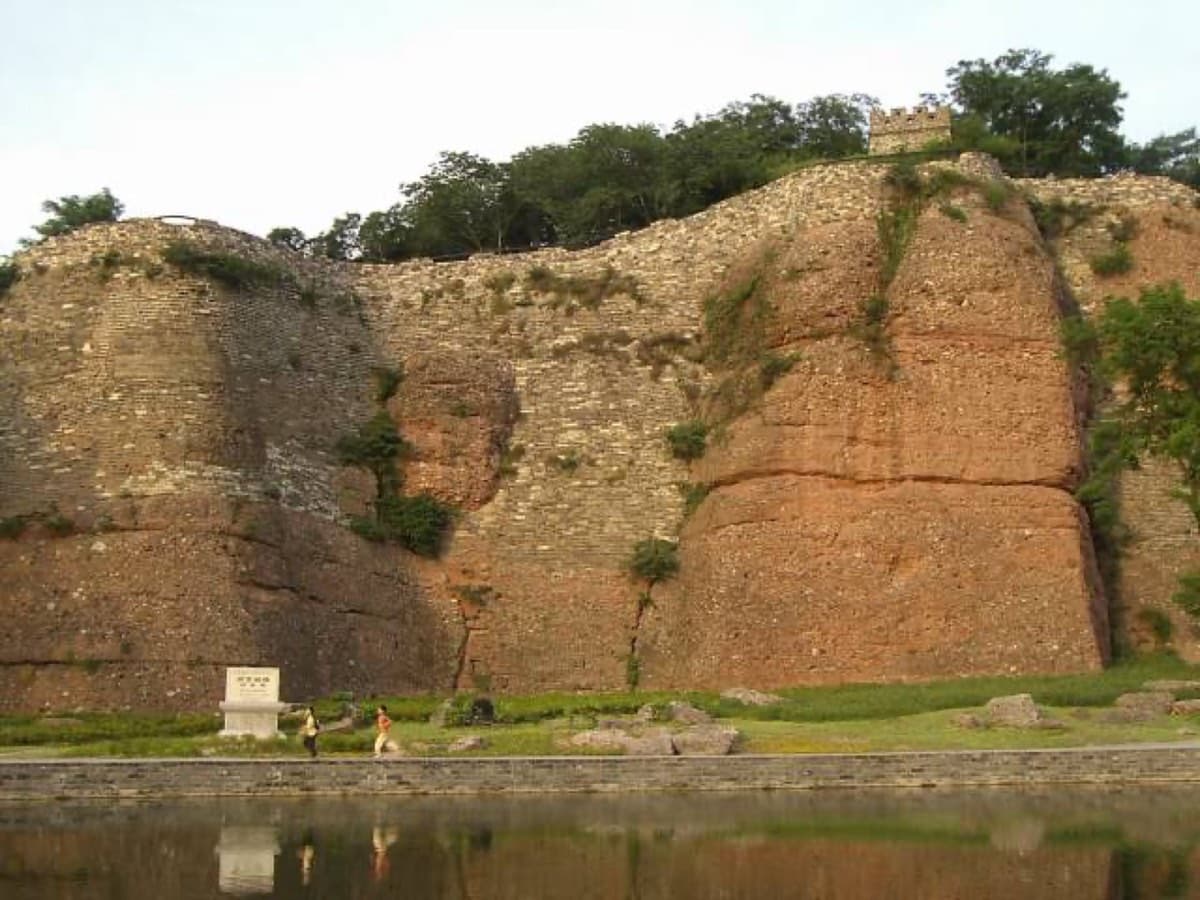
Nanjing's old names are more than trivia. Jinling gives the city a poetic, classical identity. Jiankang points to the Six Dynasties period, when southern China developed a refined court culture. Stone City reminds you that geography and defense mattered here long before modern tourism.
When you see these names on street signs, museums, restaurants, or cultural branding, treat them as clues. Nanjing markets its past through names because the city has had several lives, each with its own emotional tone.
The Six Dynasties: Nanjing before the northern capitals dominate the story
Many visitors arrive in China with a mental map built around Beijing and Xi'an. Nanjing complicates that map. During the Six Dynasties period, the city was a southern capital where aristocratic life, Buddhism, literature, calligraphy, and court culture shaped a different version of Chinese history.
You do not need to memorize every ruler to enjoy this layer. Visit museums, watch how the city uses the phrase 'Six Dynasties', and notice the quieter scholarly mood that still clings to parts of Gulou, campuses, and old cultural streets.
Ming Nanjing: power written in walls and tombs
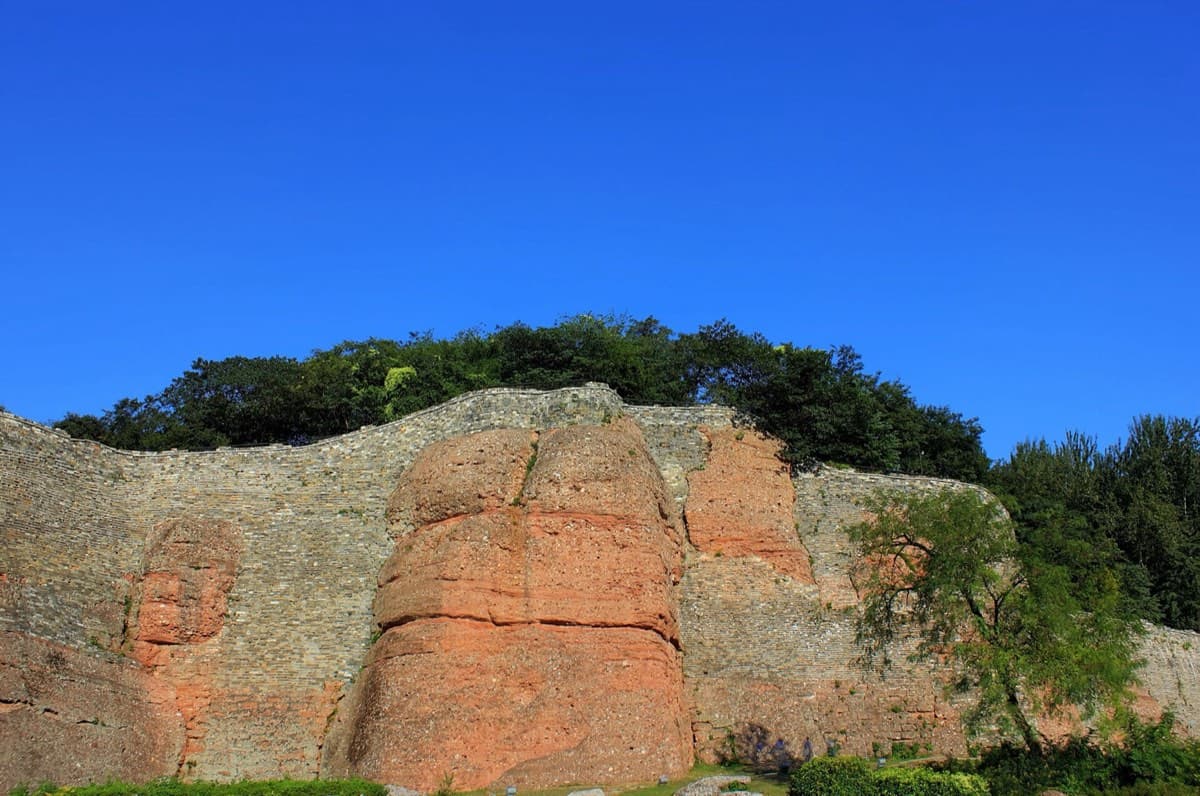
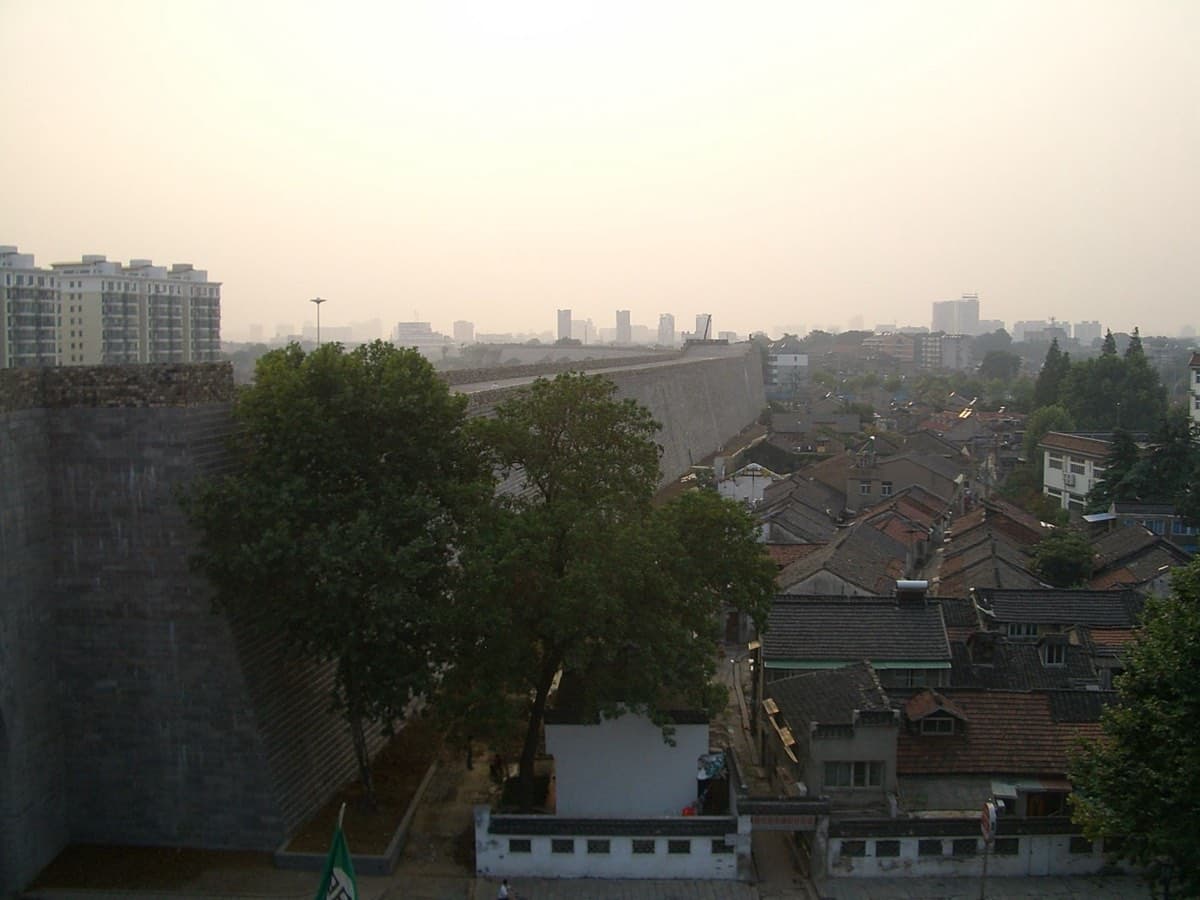
The Ming layer is easier to see because it is so physical. Zhu Yuanzhang, the Hongwu Emperor, made Nanjing his capital. The city wall, Zhonghua Gate, Ming Xiaoling Mausoleum, and the route through Purple Mountain are not just attractions; they are state-building in stone.
If you only have one deep history day, combine the city wall with Ming Xiaoling. It gives you both sides of Ming Nanjing: the defensive city and the imperial burial landscape.
Taiping and Republican Nanjing: the modern past is not a footnote
Nanjing's later history can feel emotionally heavier and more modern. The Taiping Heavenly Kingdom, the Republican capital, universities, political offices, and early modern streets give the city a different mood from a pure ancient-capital itinerary.
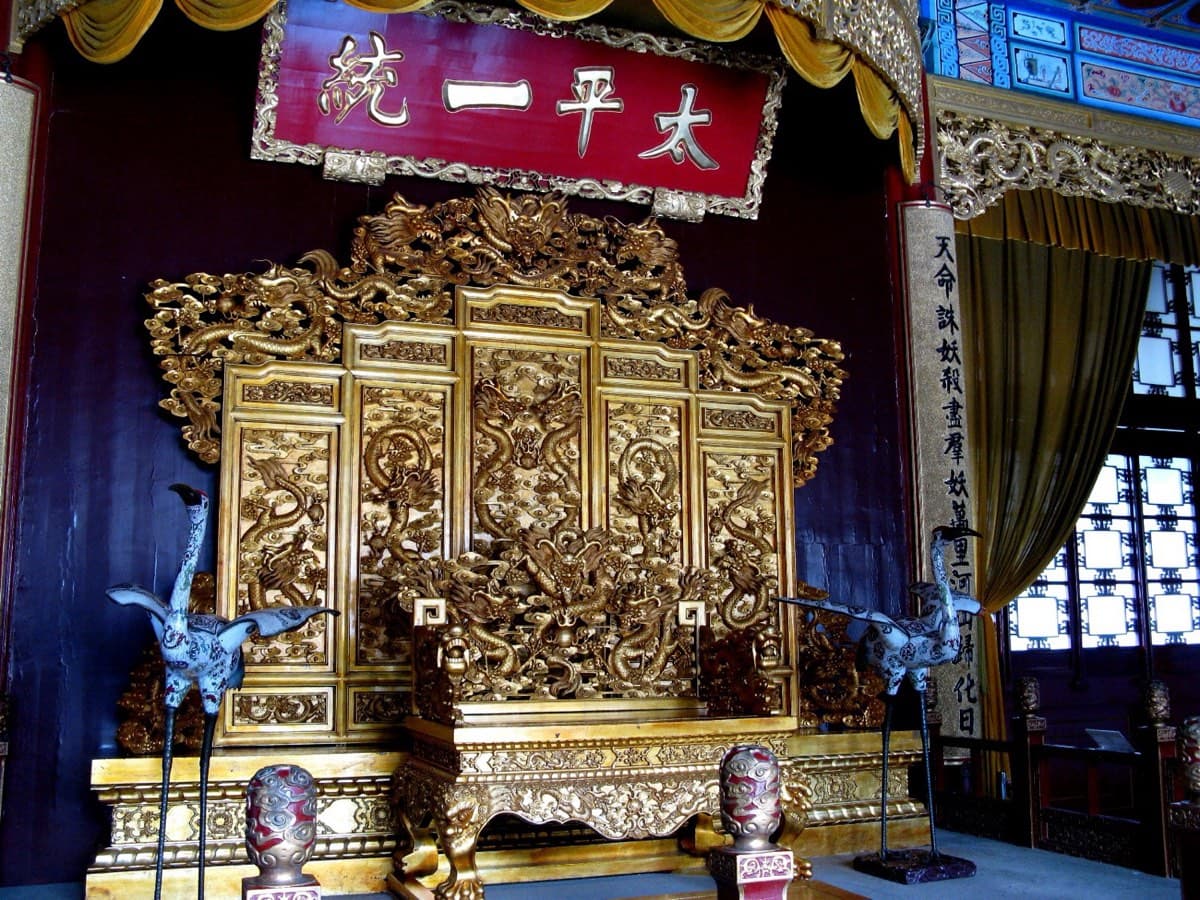
The Presidential Palace is especially useful because it compresses several eras into one site. Pair it with Changjiang Road or Yihe Road and Nanjing starts to feel like a capital of institutions, reforms, conflicts, and complicated modern memory.
How to turn the layers into a good travel day
Do not try to cover everything chronologically. Choose one theme per day. A 'Ming power' day can be Zhonghua Gate, city wall, and Ming Xiaoling. A 'Republican city' day can be the Presidential Palace, 1912, Yihe Road, and a campus walk. A 'old water city' evening can be Qinhuai River and Fuzimiao.
This keeps the city readable. Nanjing becomes far more interesting when each day has a historical lens rather than a random list of famous places.