
Nanjing / Practical Guides
Can Nanjing Be Your 240-Hour Visa-Free Stop? The Jiangsu Transit Rule Made Simple
Nanjing is one of the smartest underused stops for travelers building a Yangtze River Delta route. It is older and quieter than Shanghai, more imperial than Suzhou, and connected enough that it can work inside a 240-hour visa-free transit plan if your passport, onward ticket, entry port, and travel area all line up. Think of it as the historic middle chapter between Shanghai, Suzhou, Hangzhou, and the wider Jiangsu region.
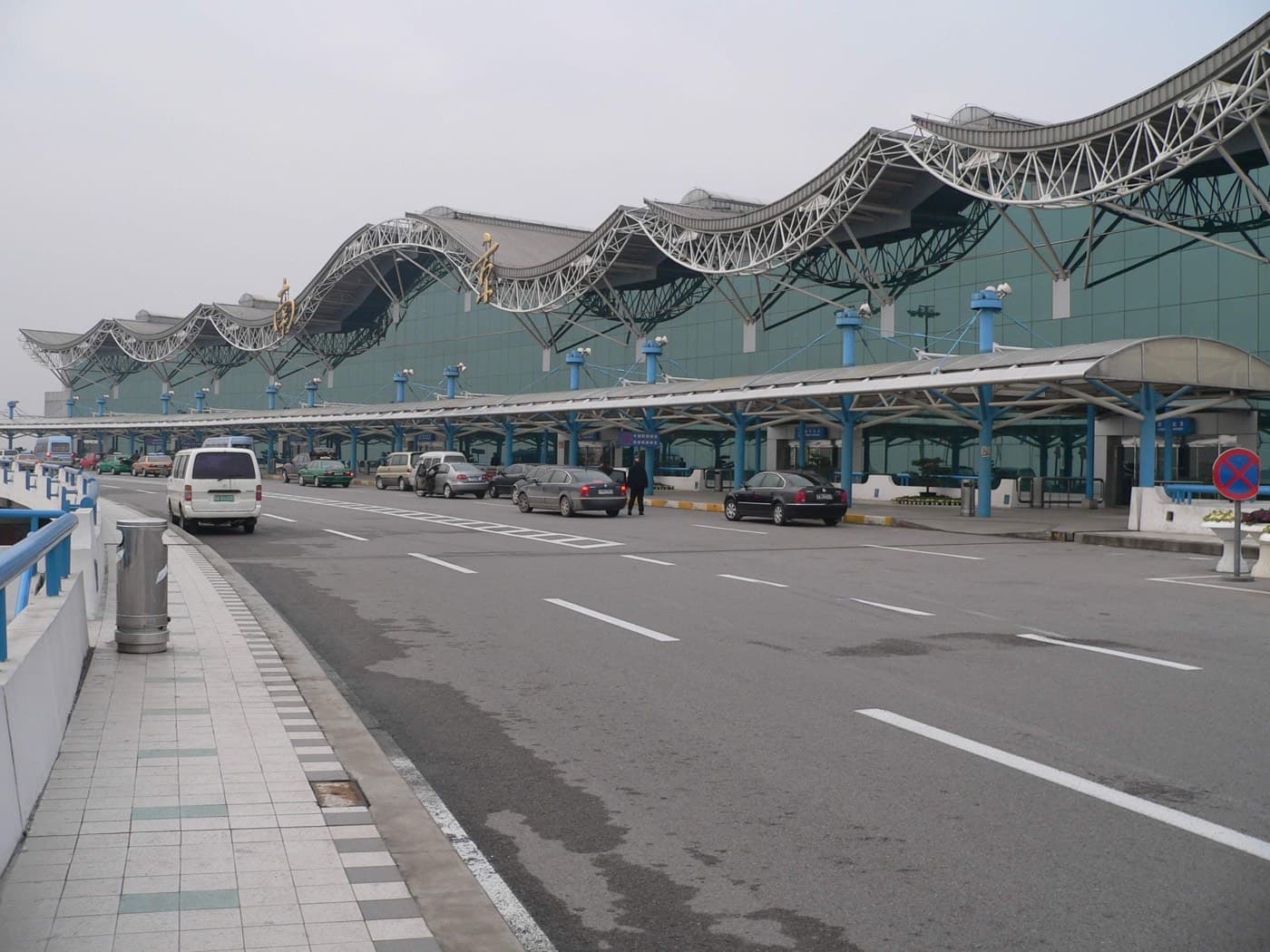
Why Nanjing is worth considering
Most first-time visitors aim straight for Shanghai, Beijing, or Chengdu. Nanjing gives a different payoff: Ming city walls, Republican-era avenues, riverside history, leafy campuses, huge train stations, and a slower old-capital mood that Western travelers often find more readable than a pure megacity sprint.
That makes it especially useful if you are already building a Yangtze River Delta route. Instead of treating Nanjing as a side quest, use it as the historic anchor between Shanghai's arrival convenience, Suzhou's canals, and Hangzhou's lake-and-tea rhythm.

The 240-hour idea in plain English
The official immigration notices describe a transit policy for eligible foreign nationals who are passing through mainland China on the way to a third country or region. In practice, that means your route must be something like Country or Region A to mainland China to Country or Region B. A simple round trip into and out of the same place usually does not work for this policy.
The core proof is your passport and a confirmed onward ticket leaving within the allowed time. Your onward destination can be another country or, in many common itineraries, a separate region such as Hong Kong or Macao. The cleanest plan is easy for airline staff and immigration officers to understand in ten seconds.
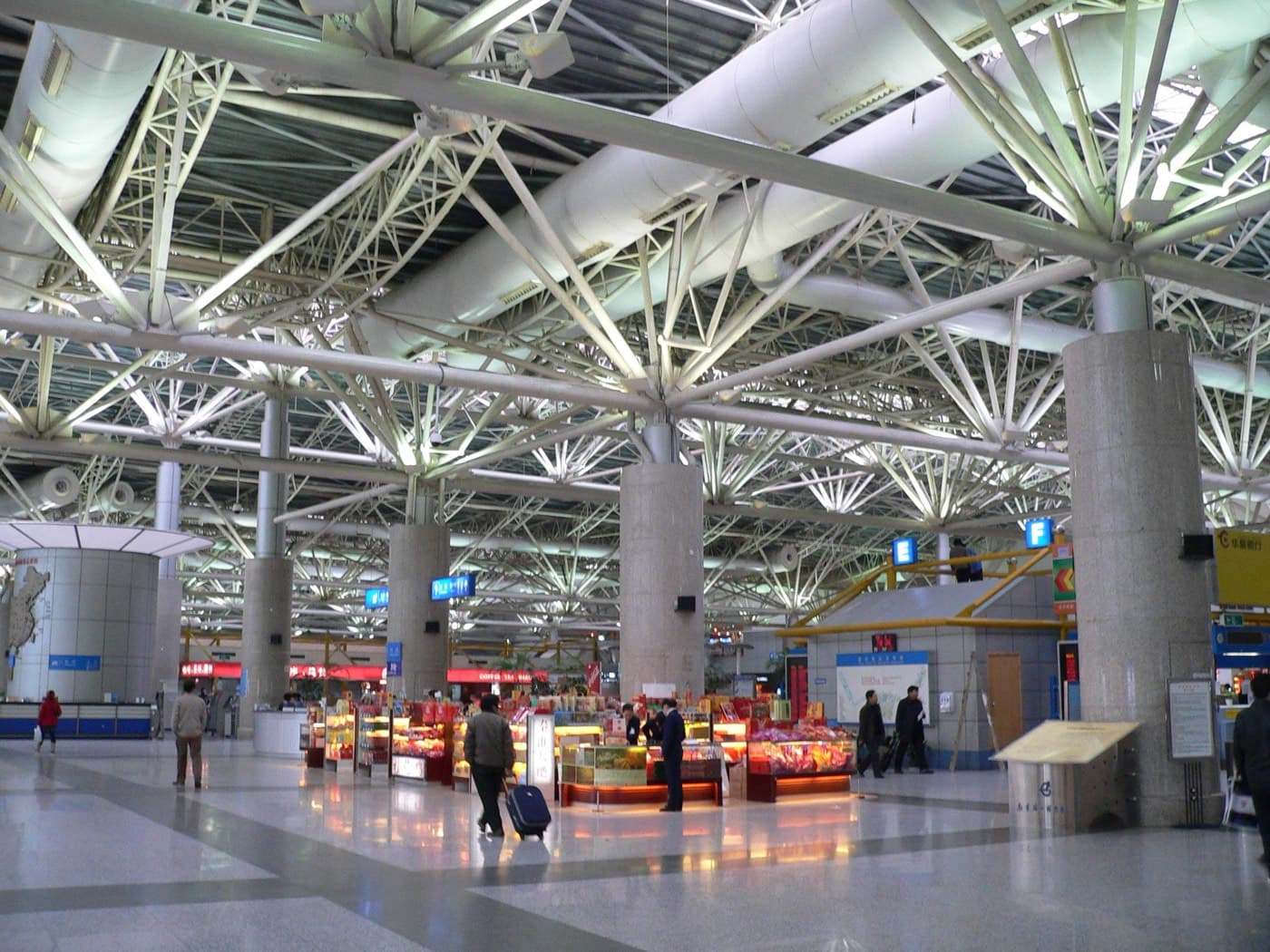
Where Lukou Airport fits
Nanjing Lukou International Airport is the name to know if you are flying directly into Jiangsu. For many travelers, though, Nanjing will be reached by high-speed train after entering through Shanghai or another eligible port. Both patterns can make sense, but the exact entry and exit ports matter.
Before booking, confirm that your passport nationality, port, route, and onward ticket match the latest official rules. This is not the place to rely only on a short social-media answer, because airline staff may ask for proof before they let you board.
A strong Yangtze Delta route
A traveler-friendly version is to enter the region, sleep in Shanghai or Nanjing, take high-speed rail between Shanghai, Suzhou, Nanjing, and Hangzhou, then leave mainland China for a different country or region within the allowed time. This gives you variety without making the route look strange.
Nanjing adds depth to that loop. Shanghai gives the skyline and international arrival comfort. Suzhou gives gardens and canals. Hangzhou gives West Lake and tea hills. Nanjing gives imperial scale, war memory, Republican-era architecture, and the sense that China has had several capitals, not just one.
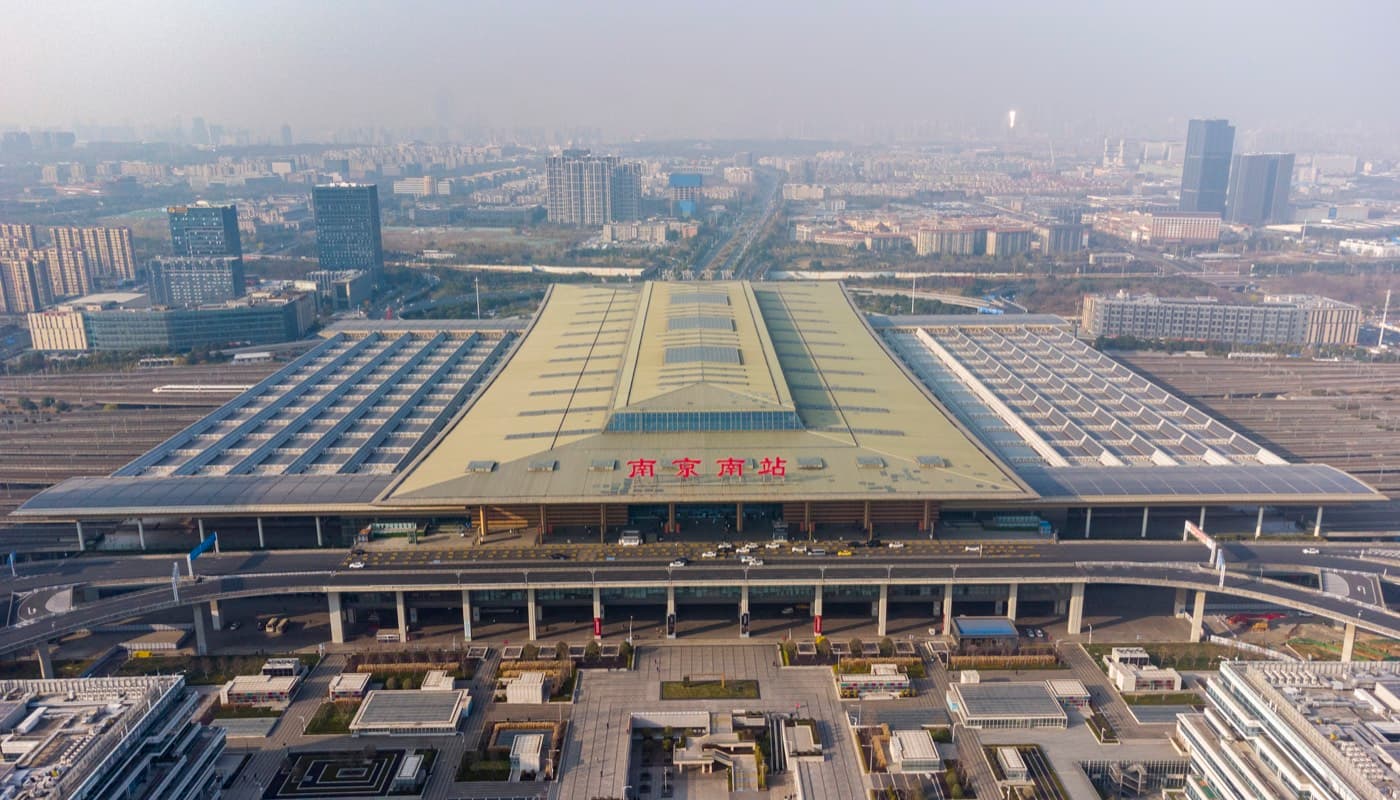
Documents to keep ready
Keep your passport, arrival flight or train details, onward international ticket, hotel booking, hotel address in Chinese, and a short written itinerary together. If you are using separate tickets, save everything offline because you may need to explain the route without mobile data.
After arrival, your hotel or host still needs to handle accommodation registration. This is normal in China and separate from the visa-free transit permission. Choose hotels that clearly accept foreign guests and bring the same passport used for booking.
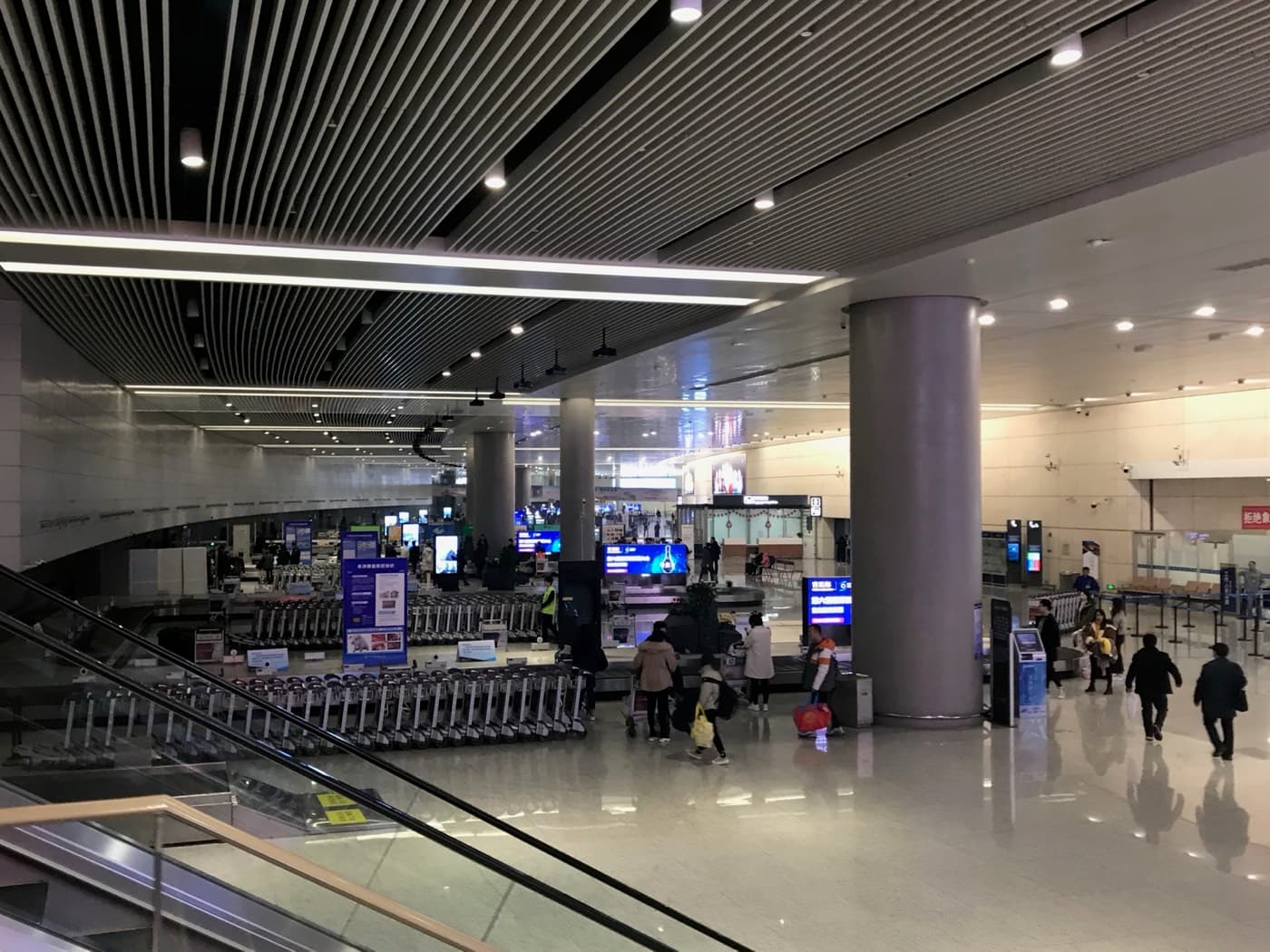
Mistakes that make the plan fragile
The biggest mistake is building a route that looks like a round trip instead of a transit. The second is assuming every airline employee will already understand the rule. The third is planning the last possible exit with no buffer for delays, weather, missed trains, or ticket changes.
For Western visitors, the safest mindset is boring and clear: official source saved, route easy to explain, onward ticket confirmed, hotel address prepared, and a backup plan if an airline or immigration officer asks for more detail.