
Nanjing / Famous Places
Ming Nanjing: City Walls, Xiaoling Mausoleum and the Emperor Who Built a Capital
Ming Nanjing is the easiest way to feel the city as an imperial project. Zhu Yuanzhang, the Hongwu Emperor, made Nanjing his capital, and the evidence is still huge: walls, gates, tomb landscapes, quarry sites, and ceremonial routes that turn political ambition into stone.
Why the Ming layer matters
Nanjing was not just another city under the early Ming. It was a capital designed to project imperial authority after the fall of the Yuan. For travelers, that means the Ming layer is unusually visible: massive walls, formal gates, imperial burial landscapes, and sites that show the physical imagination of a new dynasty.
This is one reason Nanjing feels different from cities where imperial history sits mainly inside palace halls. Here, the city itself becomes the artifact.
The city wall: power at walking speed
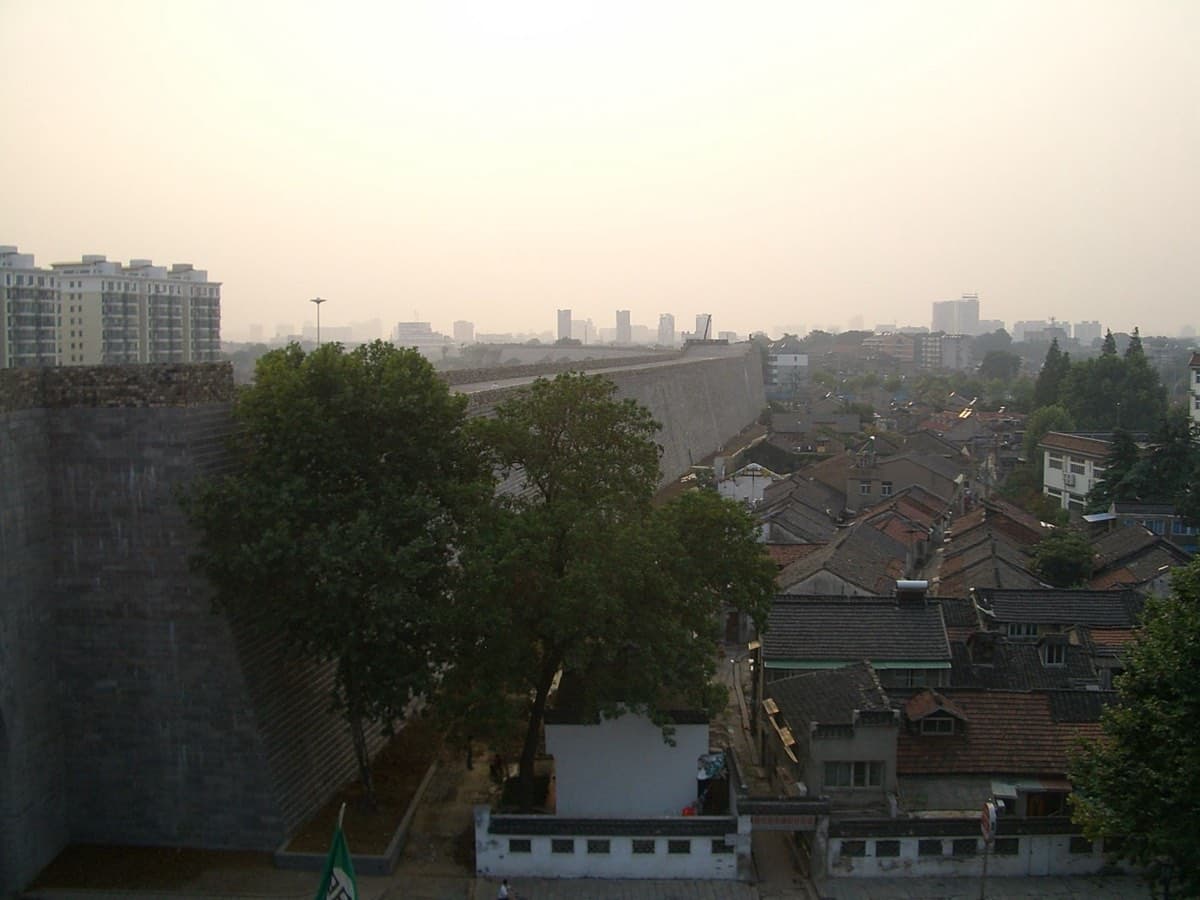
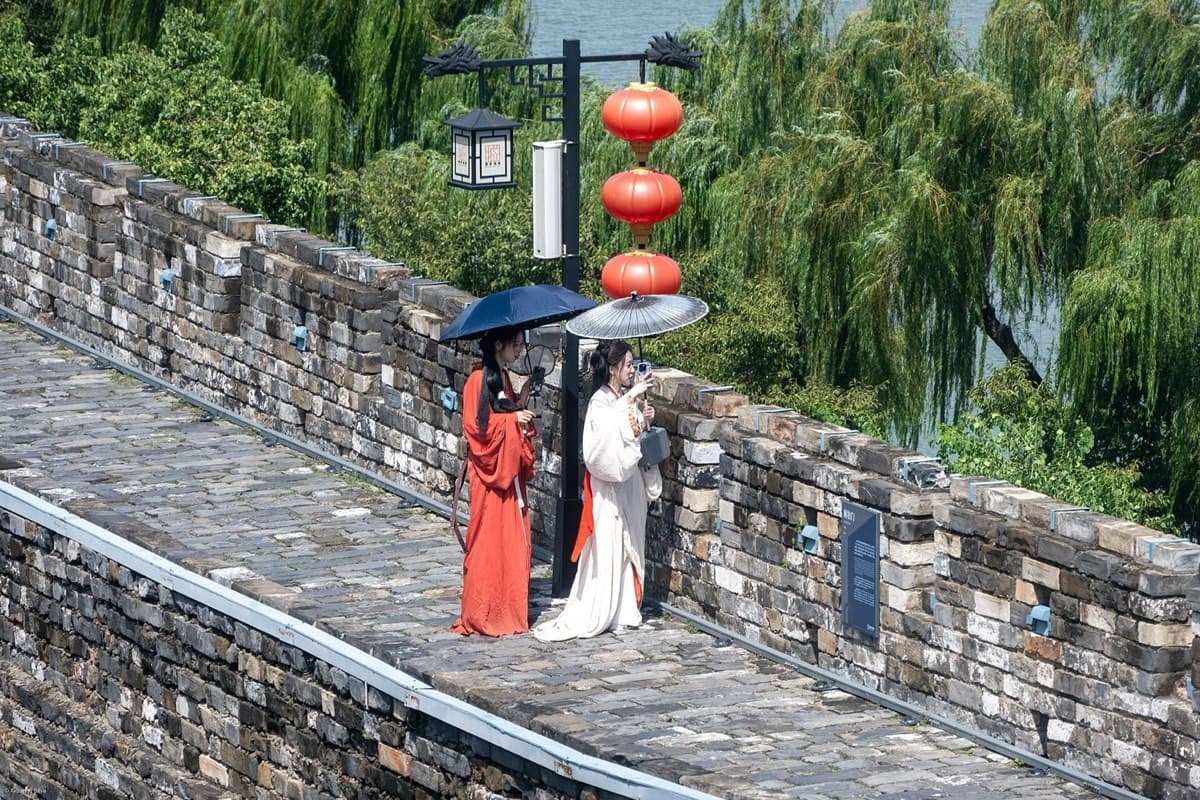
Nanjing's Ming city wall is one of the great urban defenses of China and still one of the best ways to understand the old capital. Walk a section and you can read the city as terrain: gates, water, hills, old neighborhoods, and strategic views.
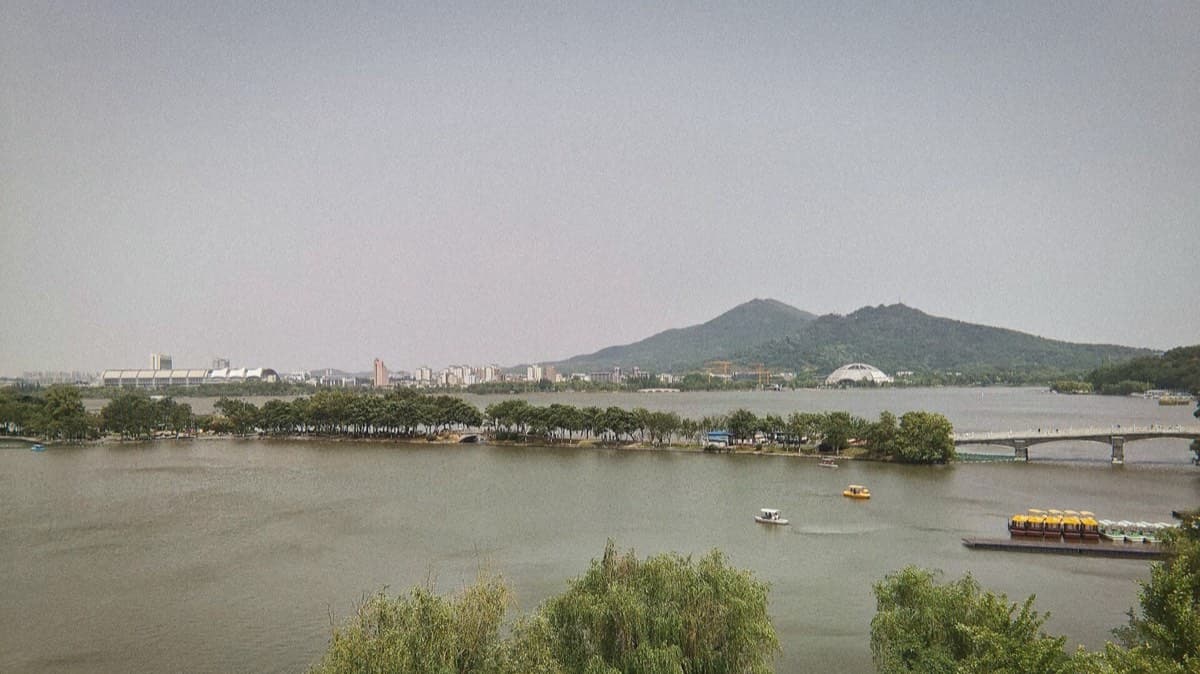
For a first visit, choose a manageable section rather than trying to conquer the whole wall. Zhonghua Gate gives a strong sense of military scale, while lake-adjacent sections pair beautifully with Xuanwu Lake.
Ming Xiaoling: a tomb built as landscape
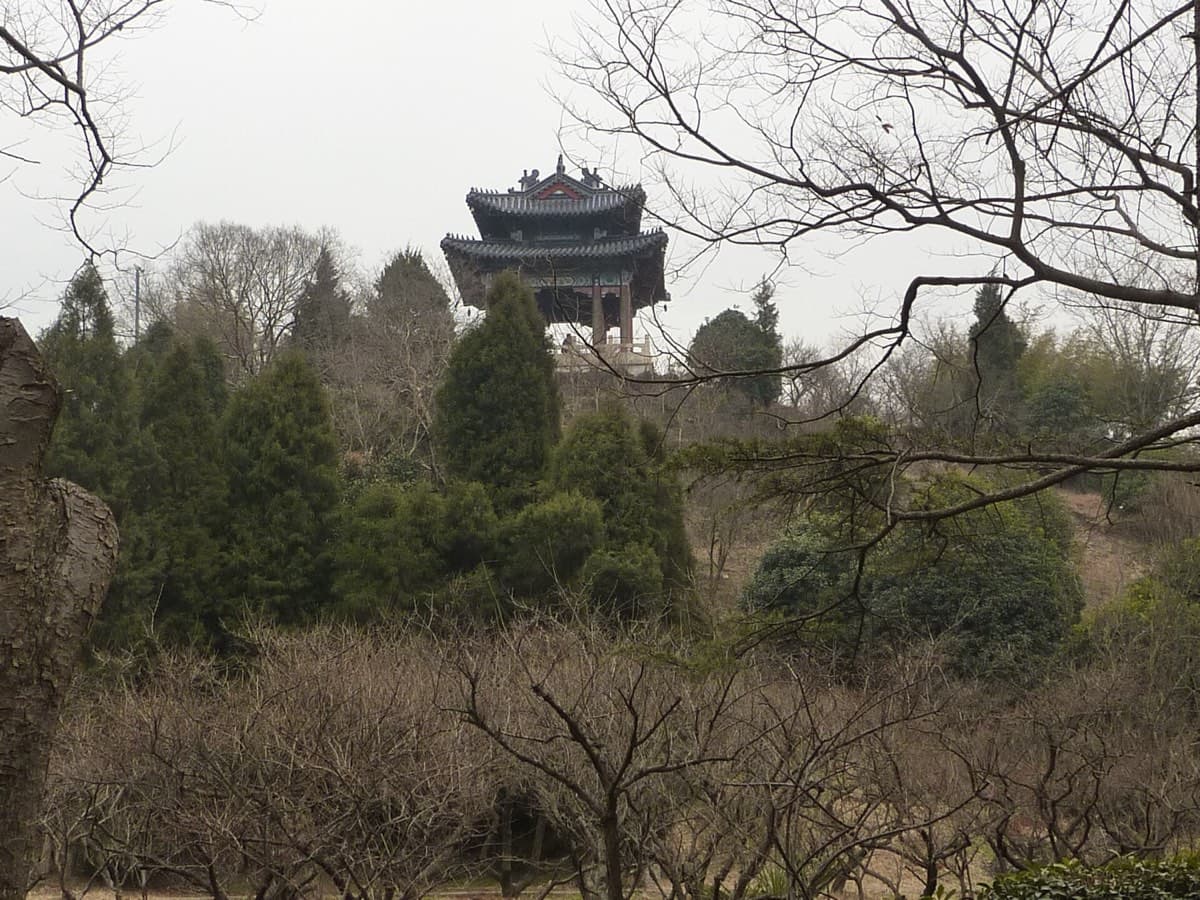
Ming Xiaoling, the mausoleum of the Hongwu Emperor, is part of the UNESCO-listed Imperial Tombs of the Ming and Qing Dynasties. It is not just a tomb visit. The Sacred Way, stone animals, trees, seasonal color, and Purple Mountain setting make the site feel ceremonial and natural at the same time.
Go early if you can. The site is more powerful when the forest has space around it and the route feels like a progression rather than a crowded photo line.
Yangshan Quarry: the strange, giant side of imperial ambition
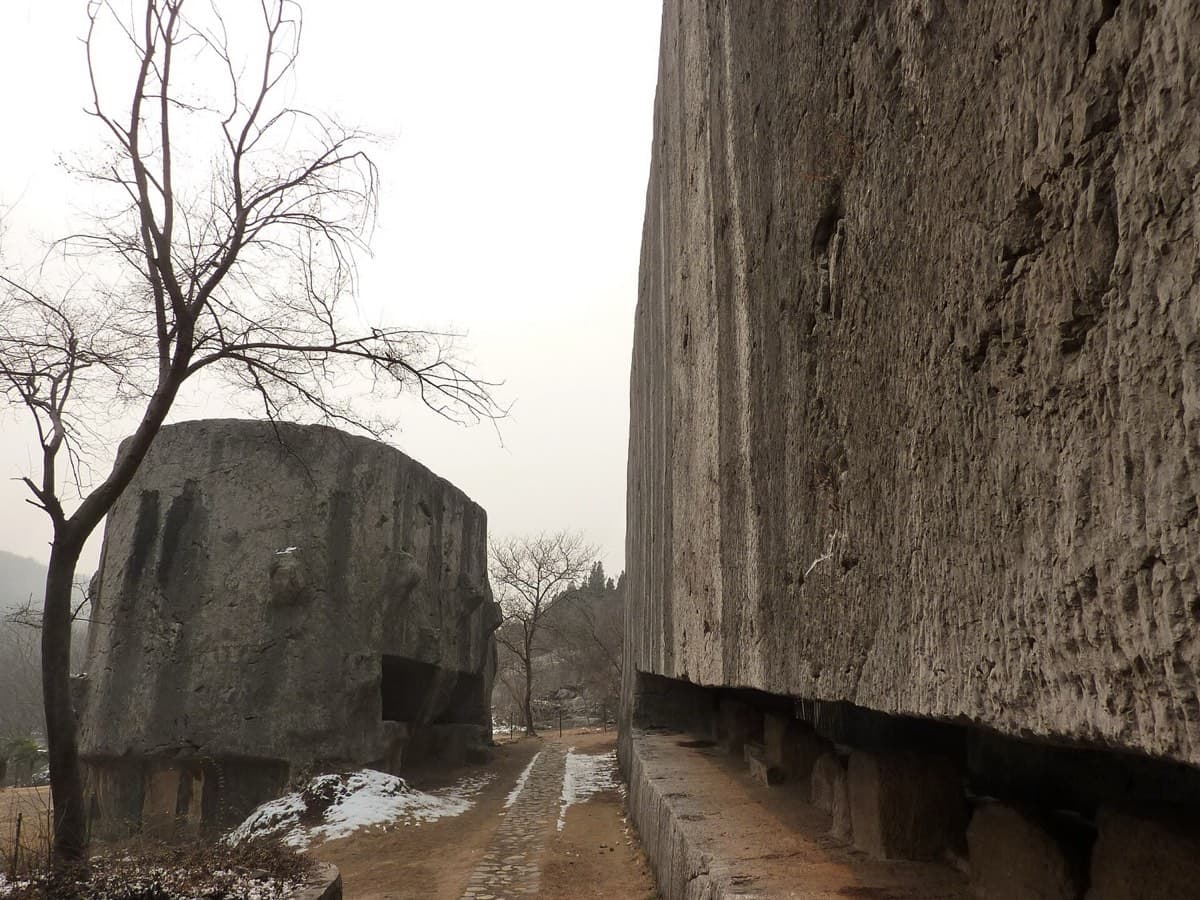
Yangshan Quarry is not as famous with casual visitors, but it is one of the most memorable Ming-related sites around Nanjing. The enormous unfinished stele pieces make imperial ambition feel almost absurdly physical.
It is especially good for travelers who like engineering, stonework, or places that are less polished than headline attractions. It also helps you understand that Ming authority was built through labor, material, logistics, and scale.
How to route a Ming-focused day
A strong route is Zhonghua Gate or a city-wall section in the morning, lunch near the old city, then Ming Xiaoling and Purple Mountain in the afternoon. If you are very interested in Ming history, add Yangshan Quarry as a separate half-day rather than squeezing it into a full scenic-area rush.
Use the metro for the easy legs and Didi where the final distance or weather makes the plan clumsy. Ming Nanjing is about scale, so give the day enough breathing room.
What to notice while you are there
Notice scale, sequence, and setting. Gates are not just entrances. Tomb routes are not just paths. Wall views are not just viewpoints. Ming Nanjing used movement, terrain, and stone to communicate power before a visitor reached the most important structure.
That is what makes these sites compelling for Western travelers even without deep dynastic knowledge. You can feel the political message with your feet.