
Hangzhou / Famous Places
West Lake Is Not One Attraction: How to Read Hangzhou's Most Famous Landscape
West Lake is the first image many travelers have of Hangzhou, but the lake is not a single scenic spot you finish in one stop. It is a designed cultural landscape: water, three sides of hills, causeways, islands, pagodas, temples, gardens, old stories, seasonal flowers, and named views that have trained Chinese ideas of beauty for centuries. Go in looking for one photo and you may be confused. Go in reading the system and the whole city opens up.
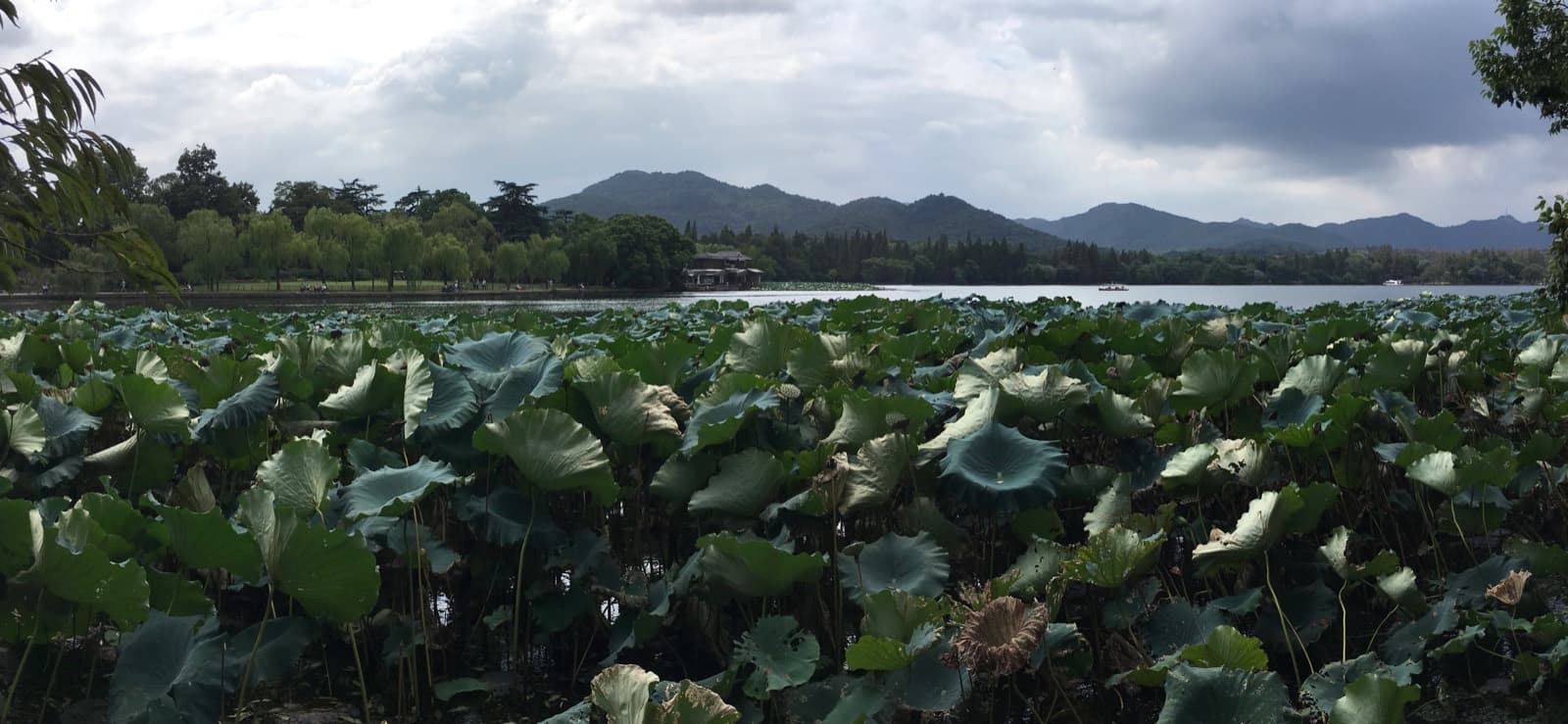
The point of West Lake is the whole composition
UNESCO describes West Lake as the lake plus the hills on three sides, shaped by temples, pagodas, pavilions, gardens, ornamental trees, causeways, and artificial islands. That is the key. The lake is not only natural beauty; it is nature edited by culture.
This is why Hangzhou can feel gentle but not simple. A bridge is also a poem. A causeway is also engineering. A pagoda is also a story. The pleasure comes from noticing how these pieces line up into views.
Broken Bridge and Bai Causeway: the classic first approach
Broken Bridge and Bai Causeway give first-time visitors an efficient introduction: lake water, skyline, hill silhouettes, boats, and one of Hangzhou's most famous cultural locations. The White Snake story is tied to Broken Bridge, and the winter view 'Lingering Snow on the Broken Bridge' is one of the famous West Lake scenes.
The tradeoff is crowd pressure. This side is easy from Hubin and Longxiangqiao, which also means everyone else can get here easily. Come early, accept that it is iconic rather than hidden, and keep walking once the first photo crowd thickens.
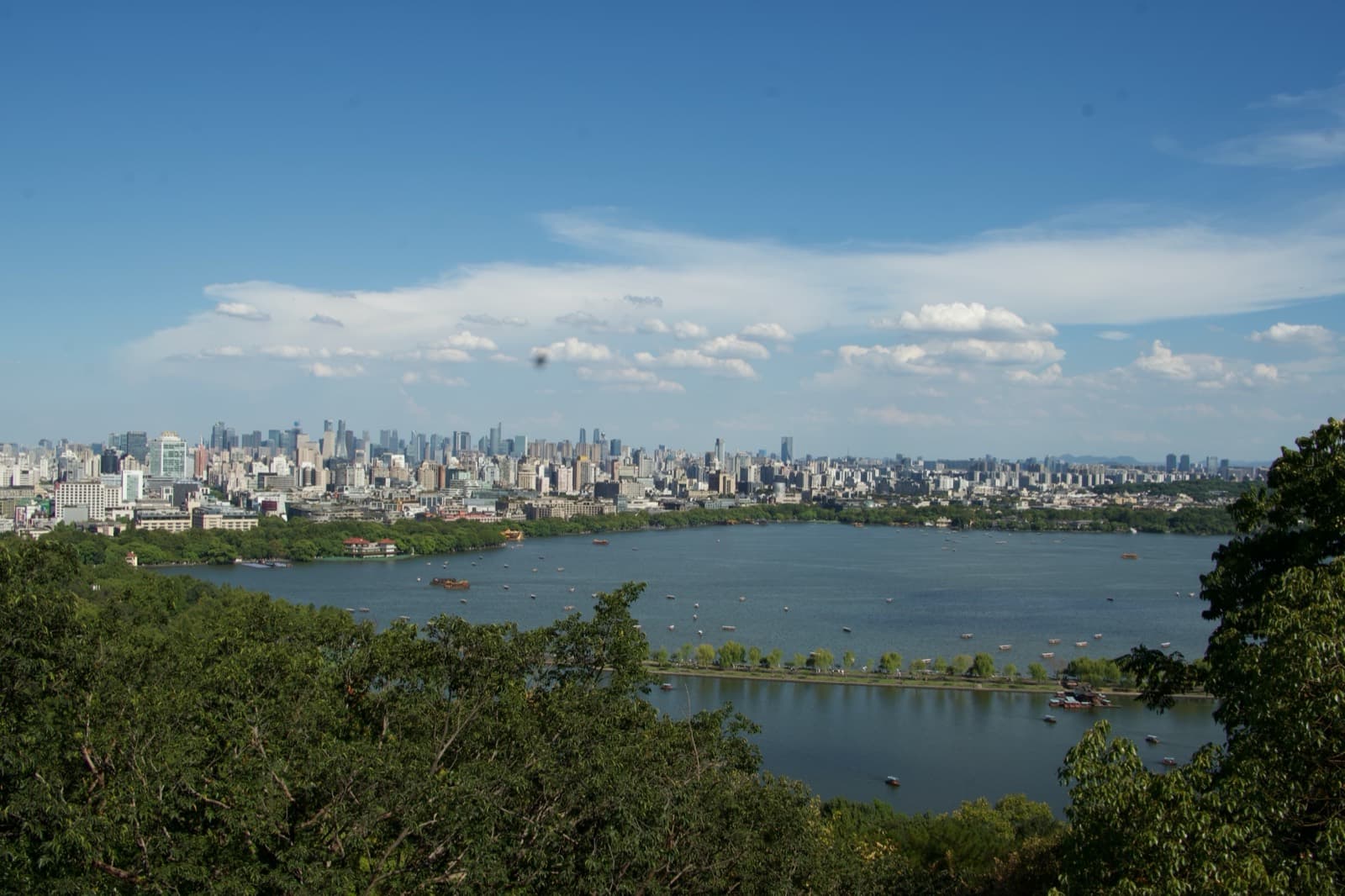
Su Causeway: where the lake starts to slow down
Su Causeway is one of the best ways to feel the lake as a landscape system instead of a waterfront promenade. The causeway stretches across the western side of the lake with willow trees, bridges, and views that shift every few minutes.
The famous 'Spring Dawn at Su Causeway' scene is attached to this route, but it is not only a spring walk. It is good whenever you want fewer malls, more water, and a stronger sense that West Lake is built for strolling, not rushing.
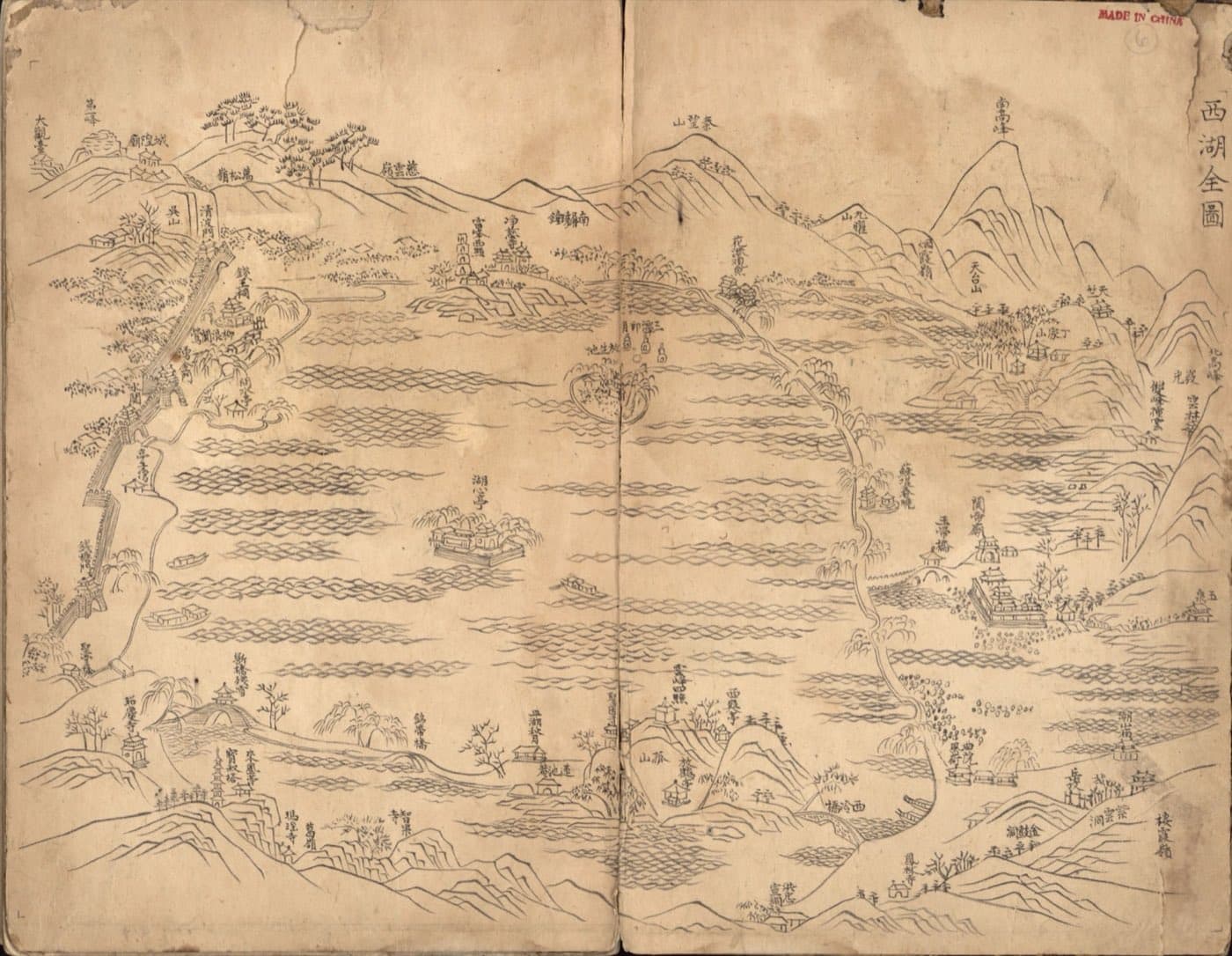
Three Pools Mirroring the Moon: the one-yuan-note moment
Three Pools Mirroring the Moon is one of the most recognizable West Lake images, partly because the three small pagodas appear on China's one-yuan banknote. The official tourism description frames it as one of the Top Ten Scenes and a major symbol of Hangzhou.
Do it when you have time for the boat and island mood. If you are rushing between Lingyin and dinner, skip it. West Lake is at its best when the transport is part of the experience.
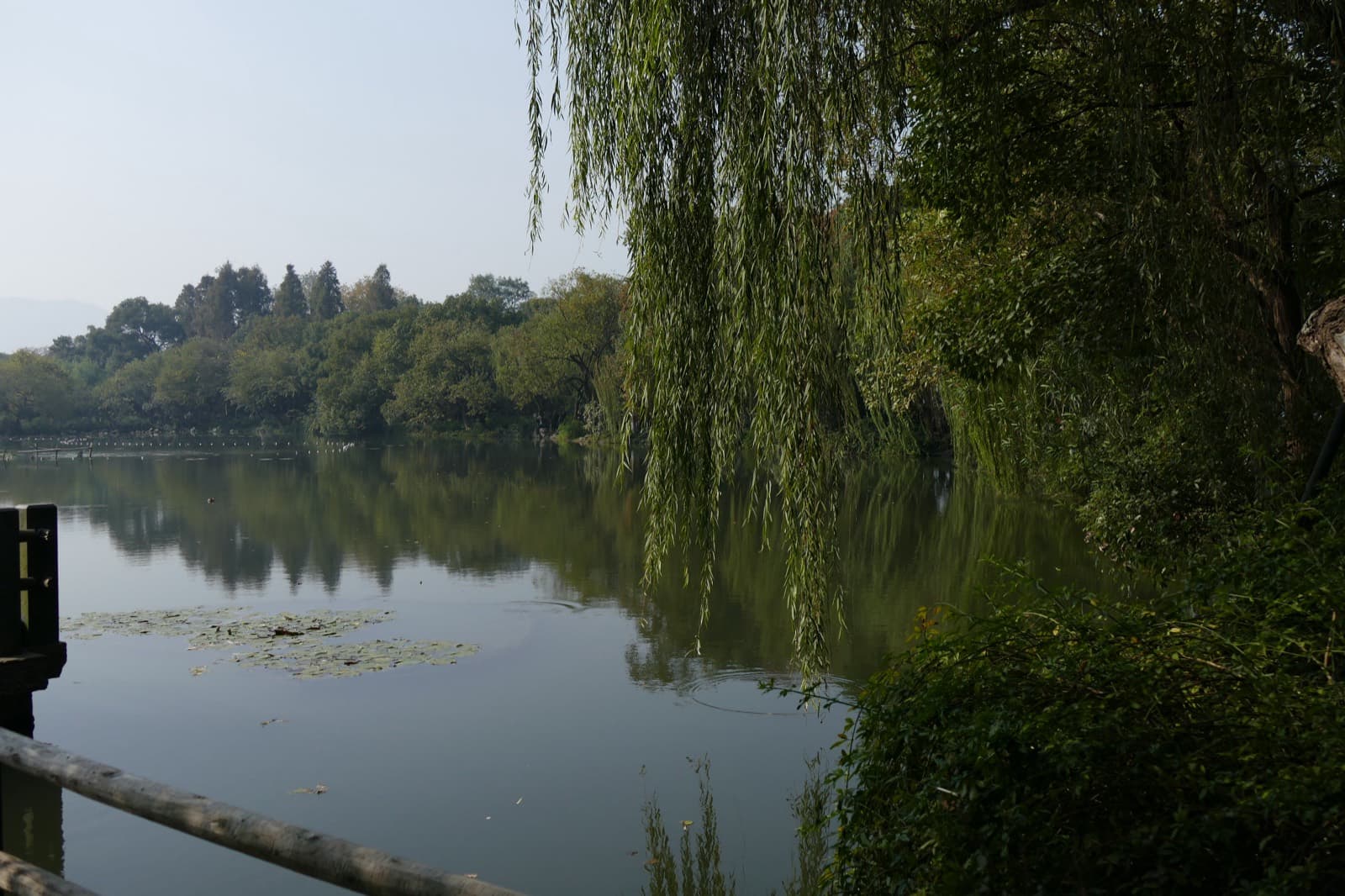
Leifeng Evening Glow and the southern shore
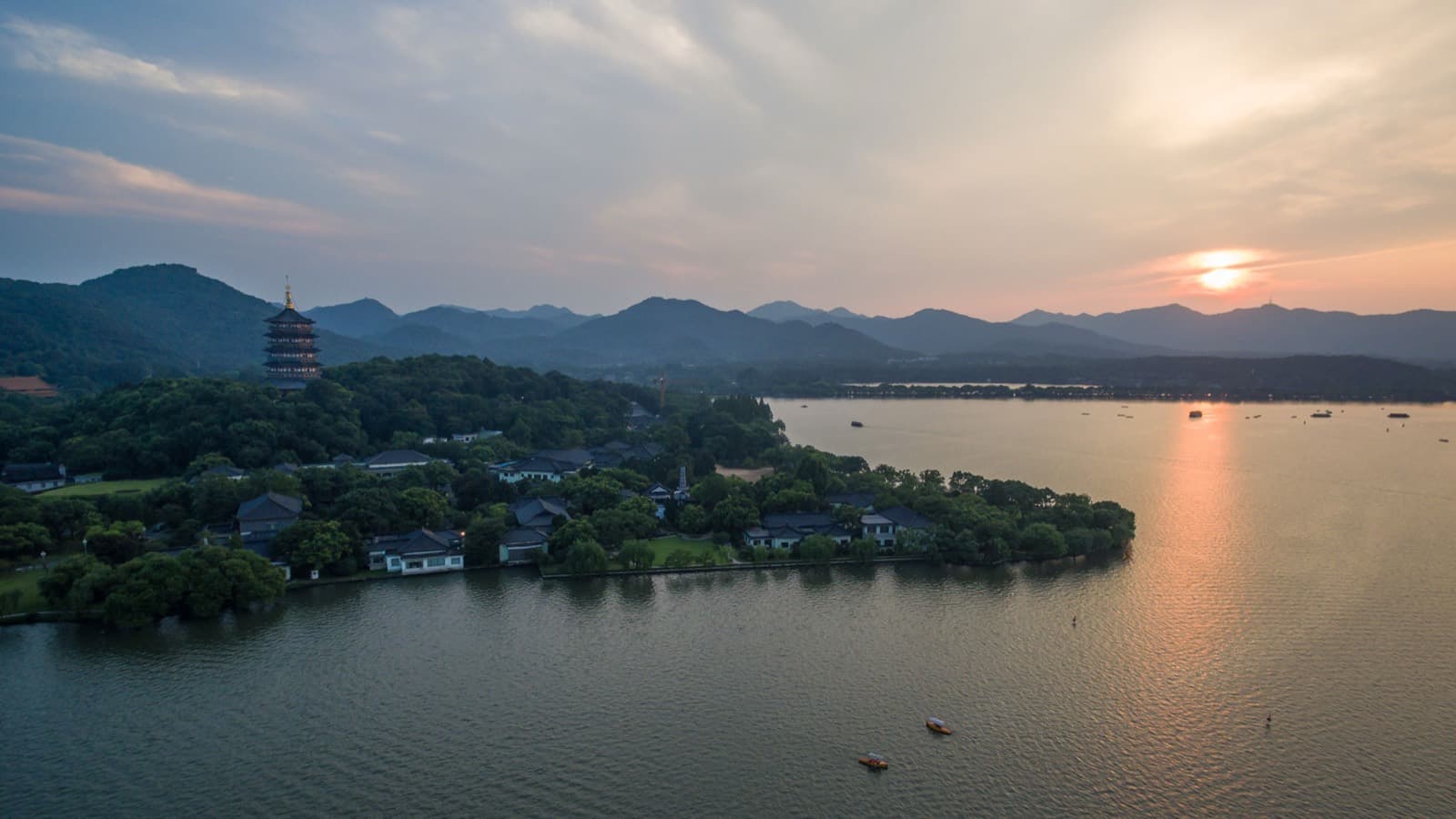
Leifeng Pagoda in Evening Glow is one of the named West Lake scenes, and it is the reason sunset planning matters. The southern shore can feel more cinematic than the busy Hubin side: pagoda silhouette, water, low light, and fewer shopping distractions.
A recent traveler discussion recommends the southern side near Long Bridge Park for golden hour because it gives strong Leifeng Pagoda angles with fewer tour groups than the north-side mall corridor. That is a useful practical clue: choose the view, not only the famous name.
A practical first route
For a first visit, use a two-part plan. Morning: Longxiangqiao or Hubin, then Broken Bridge and Bai Causeway. Afternoon or golden hour: move toward Su Causeway, Flower Pond, Long Bridge Park, or Leifeng Pagoda depending on energy and weather.
Do not try to circle the entire lake unless the walk itself is the point. Most travelers will have a better day by choosing two strong sections, leaving room for tea, and letting the lake feel like a place rather than a fitness challenge.