
Hangzhou / Famous Places
Lingyin Temple Before the Tour Buses: How to Visit Hangzhou's Buddhist Forest Properly
Lingyin is not just Hangzhou's famous temple. It is a wooded Buddhist valley where halls, incense, old trees, stone carvings, streams, and hills compress more atmosphere into one morning than many visitors expect. It can also become crowded fast. The right way to visit is simple: reserve correctly, arrive early, slow down at Feilai Feng, and treat the temple as a living religious site rather than a photo backdrop.
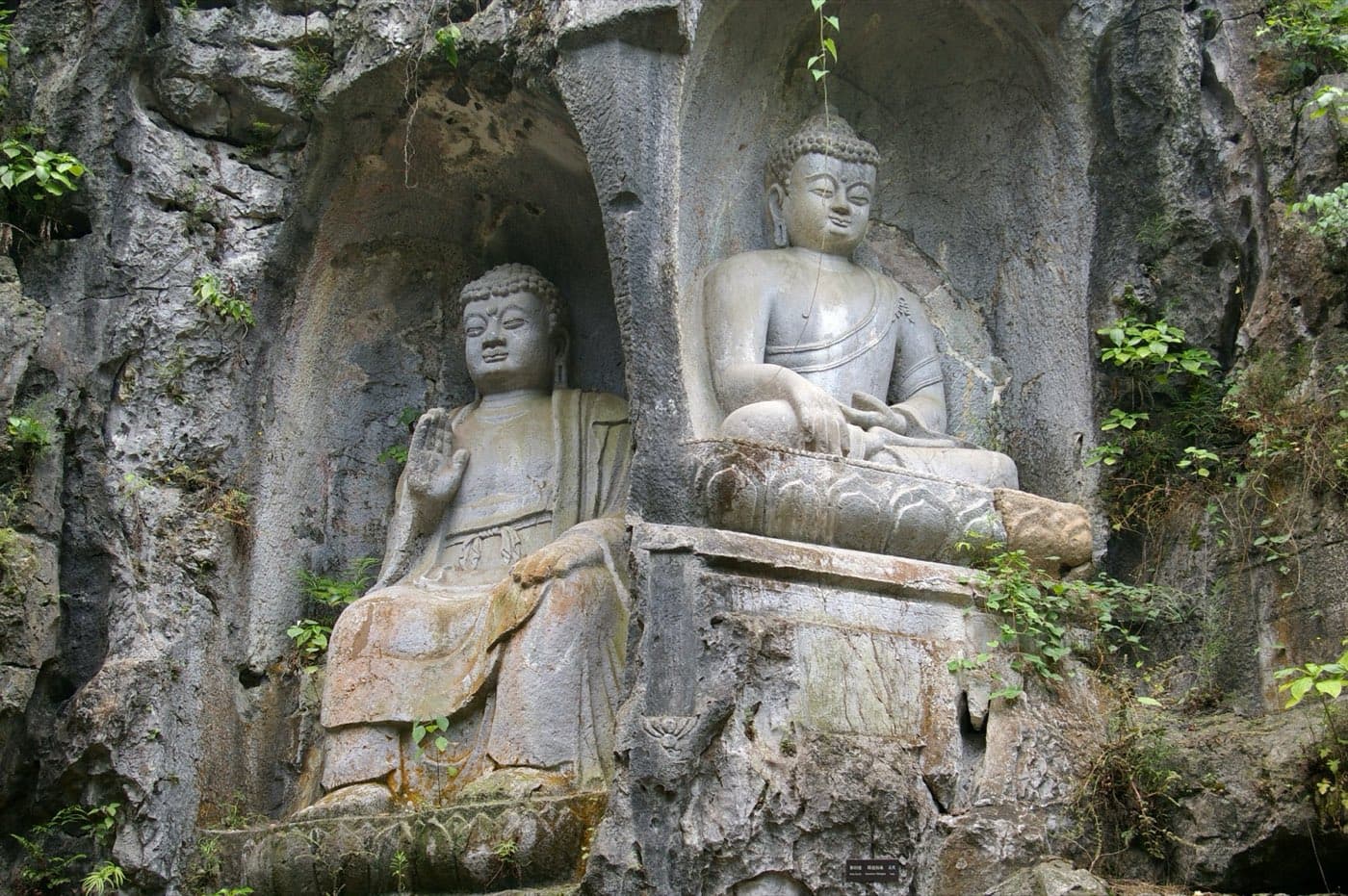
Why Lingyin feels different
Lingyin Temple's official English site describes it as one of China's oldest and most significant ancient Buddhist temples, located northwest of West Lake in Hangzhou's Wulin Mountains. That location matters: the temple is not sitting in the middle of a flat city plaza. It is folded into forest, rock, and hill.
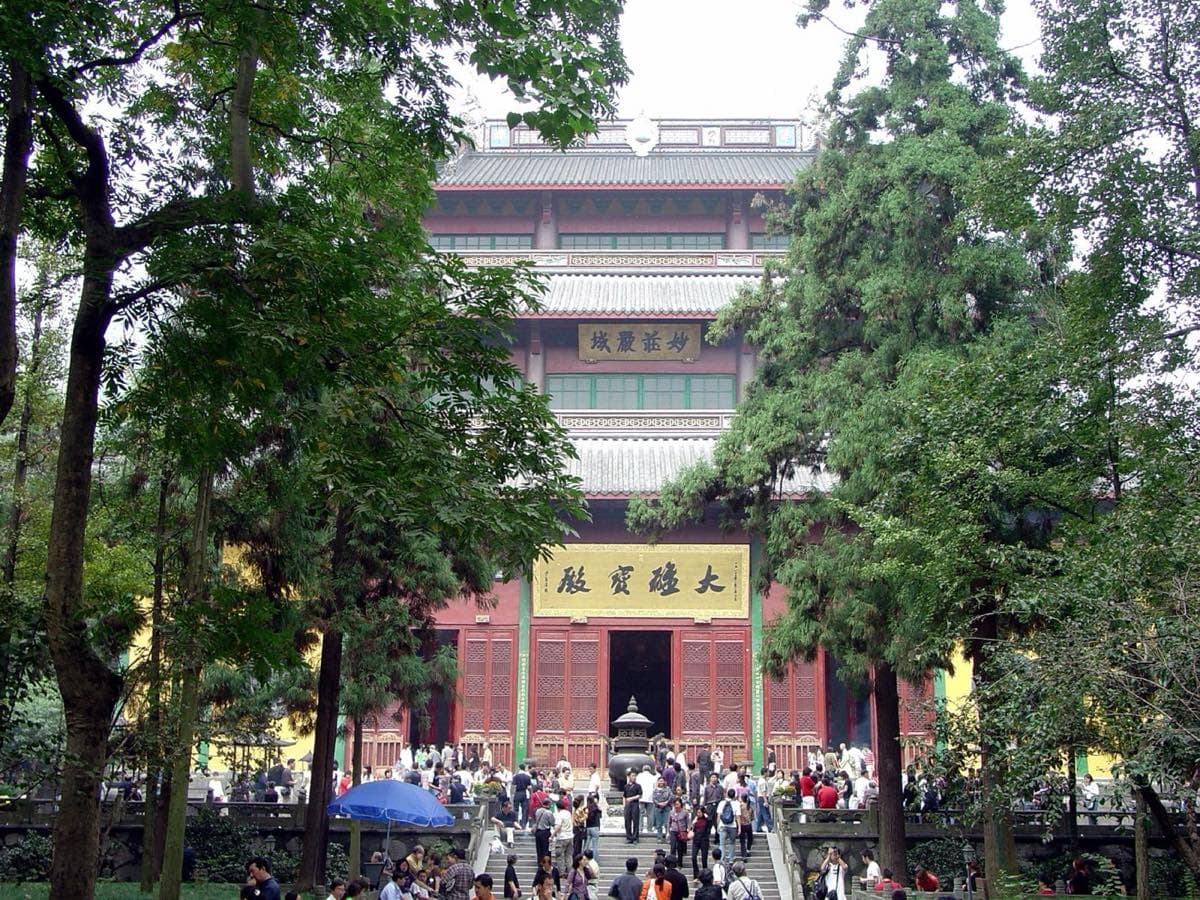
The atmosphere comes from the layers. You see pilgrims, tourists, incense smoke, temple halls, carved stone figures, mossy paths, and buses arriving in waves. If you visit too late and too fast, the place can feel crowded. If you arrive early, it can still feel like a retreat.
The current logistics: free, but not casual
Lingyin's official notice says that from December 1, 2025, the Feilai Peak Scenic Area, including Lingyin Temple, Yongfu Temple, and Taoguang Temple, uses a real-name reservation system with scheduled time slots. Reservations are made through the 'Hangzhou Lingyin Feilai Peak' mini-program on Alipay or WeChat.
The same notice says non-mainland visitors can reserve with documents including a passport, and reservations must be made at least one day in advance, up to seven days ahead. This is exactly the kind of China travel detail that catches foreign visitors: free entry does not mean walk-in whenever you feel like it.
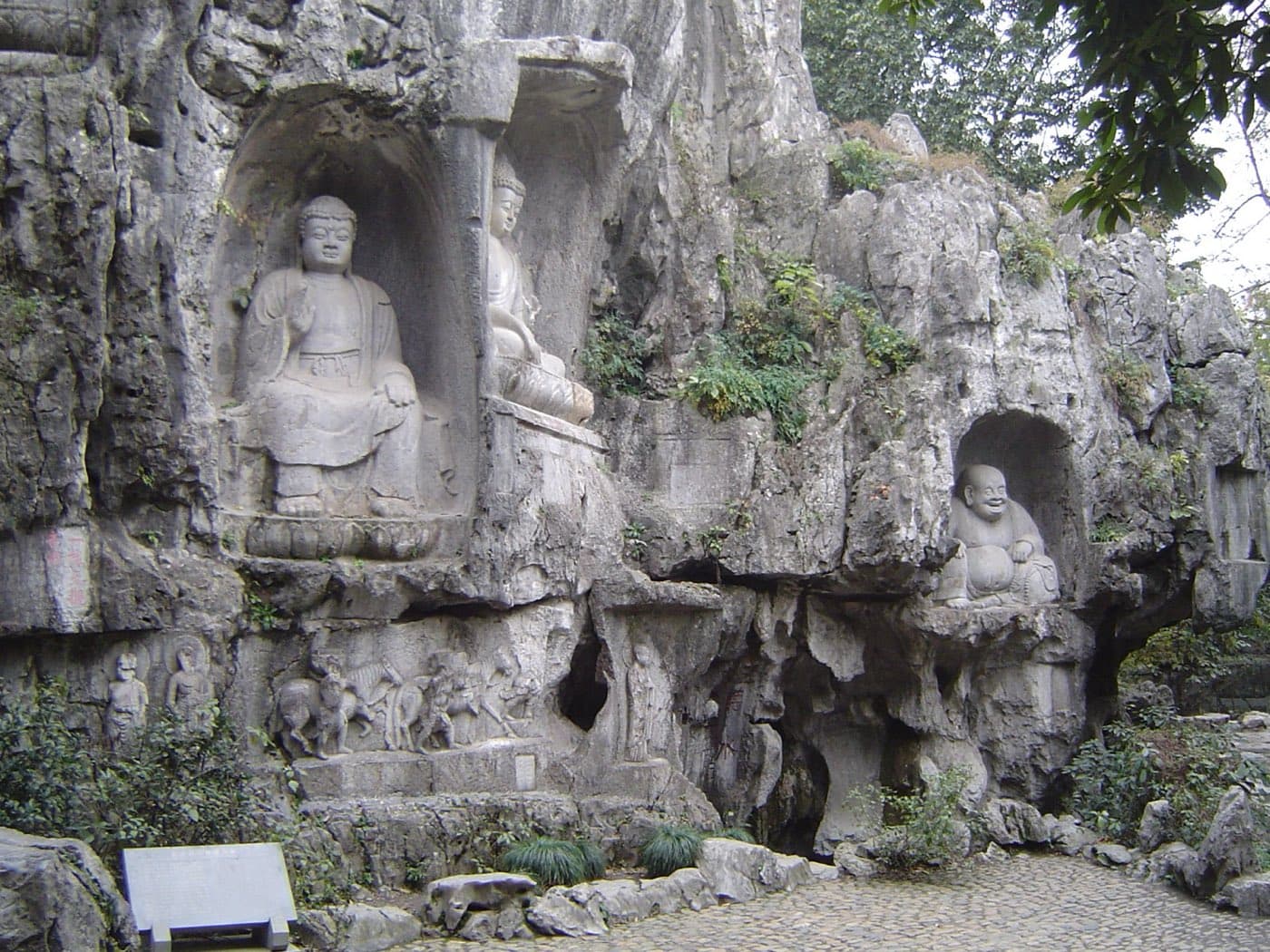
Feilai Feng is not a warm-up act
Feilai Feng sits across from the temple area and gives Lingyin much of its texture. The official Lingyin site lists the Three Grottoes on Flying Peak and Stone Carvings on Flying Peak among the site's key areas, while older Hangzhou tourism materials place the temple at the foot of Beigao Peak facing Feilai Peak across a stream.
Give the carvings real time. The rock faces, caves, and Buddhist figures make the valley feel ancient, not only scenic. This is also a good place to slow your camera down: details matter more than one wide shot.
How early should you go?
Early is not travel-blog theater here. It changes the experience. Lingyin receives huge numbers of visitors, and the narrow scenic-valley logistics make late-morning arrivals feel very different from an opening-time visit.
If you want the Buddhist and forest atmosphere, aim for the first available morning slot, eat breakfast before you go, and keep the rest of the day flexible. Pairing Lingyin with Longjing or tea country is possible, but only if you do not waste the morning.
Beigao Peak, Tianzhu temples, and the longer spiritual valley
Lingyin can be a quick temple stop, but it can also anchor a larger west-Hangzhou day. Travelers with more time can think in terms of a Buddhist and forest route: Lingyin, Feilai Feng, Beigao Peak views, and the Tianzhu temple area.
The longer route is better for repeat visitors and people who like walking. First-timers on a tight itinerary should prioritize Lingyin and Feilai Feng well rather than trying to attach every nearby temple name to one exhausted morning.
Etiquette that matters
Treat Lingyin as an active religious place. Keep voices low inside halls, do not photograph worshippers in intrusive ways, watch where photography is restricted, and step aside if people are praying or offering incense.
If you do not understand the ritual, that is fine. You do not need to imitate everything. You only need to be observant, patient, and respectful.