Hangzhou / Practical Guides
When Hangzhou Feels Like a Poem: Tea Spring, Osmanthus Autumn and Crowd Traps to Avoid
Hangzhou is a seasonal city disguised as an easy weekend trip. In spring, the story is Longjing tea and fresh green hills. In autumn, it is osmanthus fragrance, softer air, and walks that feel almost unfairly pretty. Summer can be steamy, winter can be quiet and atmospheric, and Chinese public holidays can turn West Lake into a human tide. Timing changes the trip.
The best answer: spring or autumn, but not any spring or autumn day
If you can choose freely, Hangzhou is strongest in spring and autumn. The light is kinder, the city smells better, outdoor walks feel natural, and the scenery is not only decorative but part of daily life. That said, public holidays can turn a perfect-season weekend into a crowd-management exercise.
For Western visitors, the sweet spot is often a weekday outside the major Chinese holiday windows. You get the seasonal beauty without spending your best hours waiting, squeezing, or trying to call a car from a jammed scenic road.
Spring: Longjing tea, fresh green hills, and Qingming caution
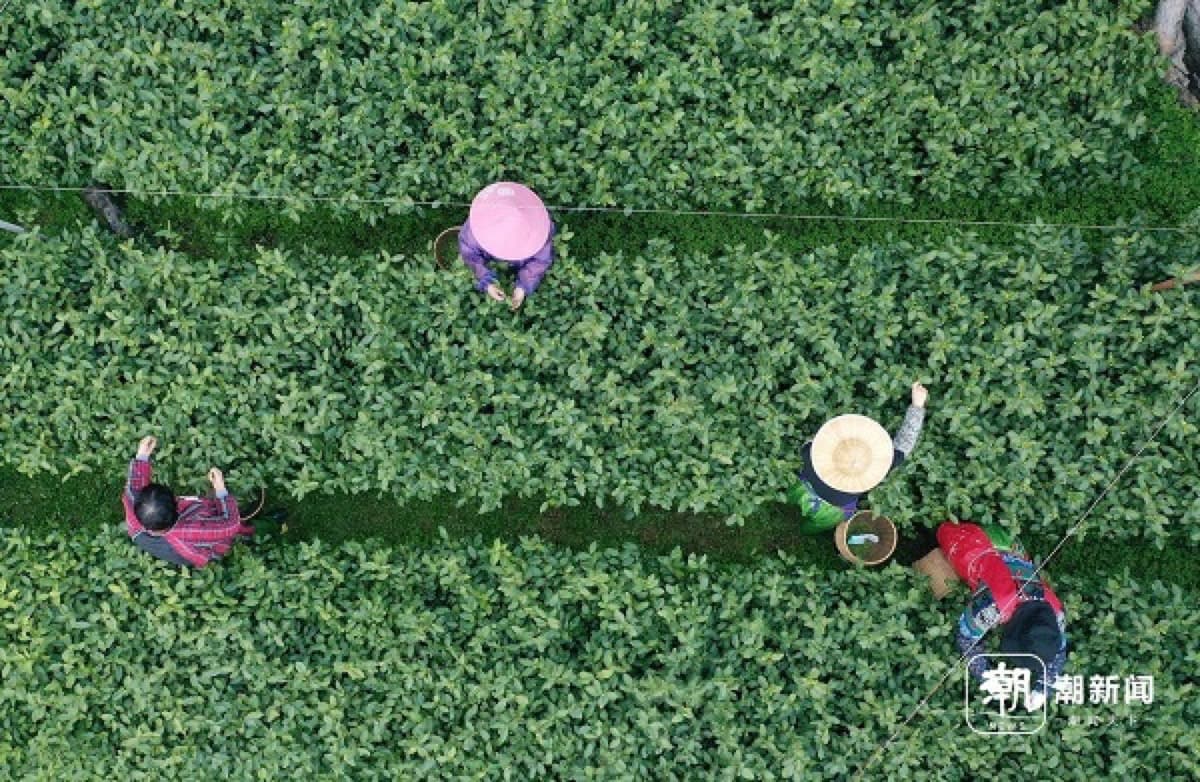
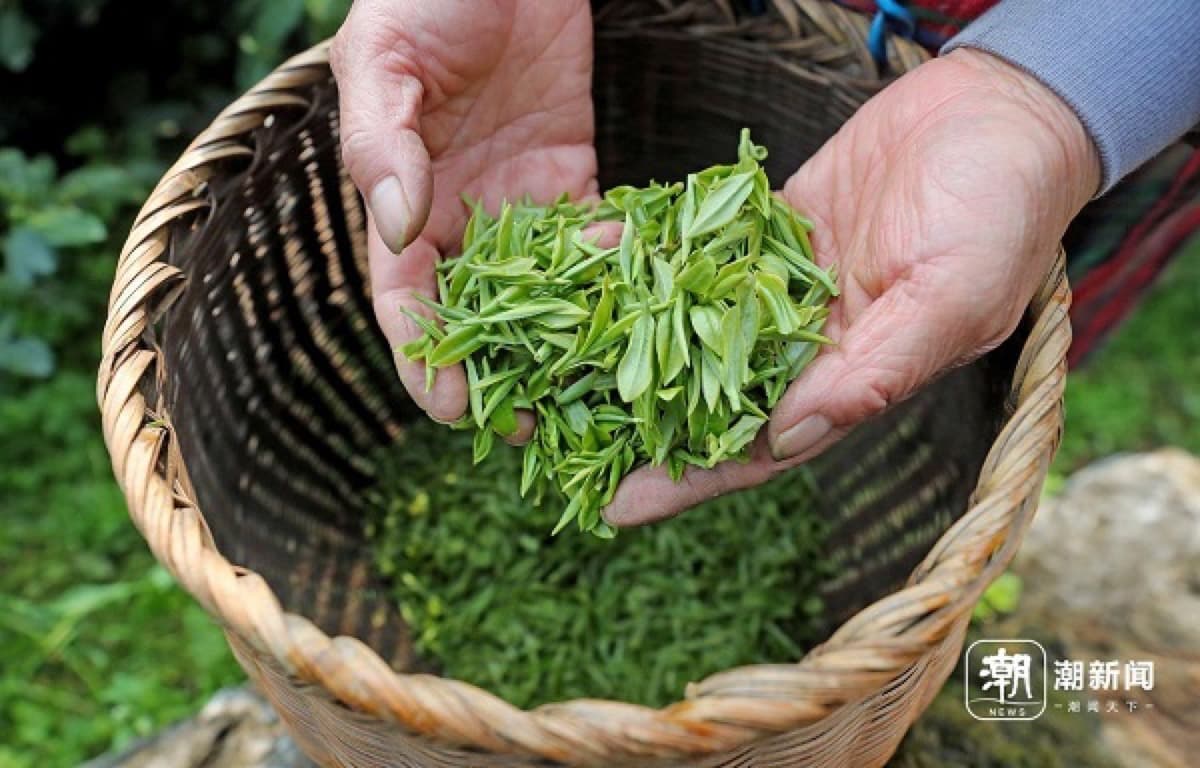
Spring is Hangzhou at its most famous: new tea, soft hills, willows, lake mist, and visitors trying to find the right tea village before everyone else does. eHangzhou reported West Lake Longjing spring tea picking in Wengjiashan village in March 2025, with Longjing 43 beginning sporadic plucking on March 16 and broader harvesting later in March.
If you care about tea, late March and April are compelling, but they are also sensitive to weather and holiday crowds. Mingqian Longjing, tea picked before Qingming, is culturally prized, but you should not build the whole trip around buying the rarest tea. Build it around seeing tea country when the hills are alive.
Summer: lotus season, heat, humidity, and strategic laziness
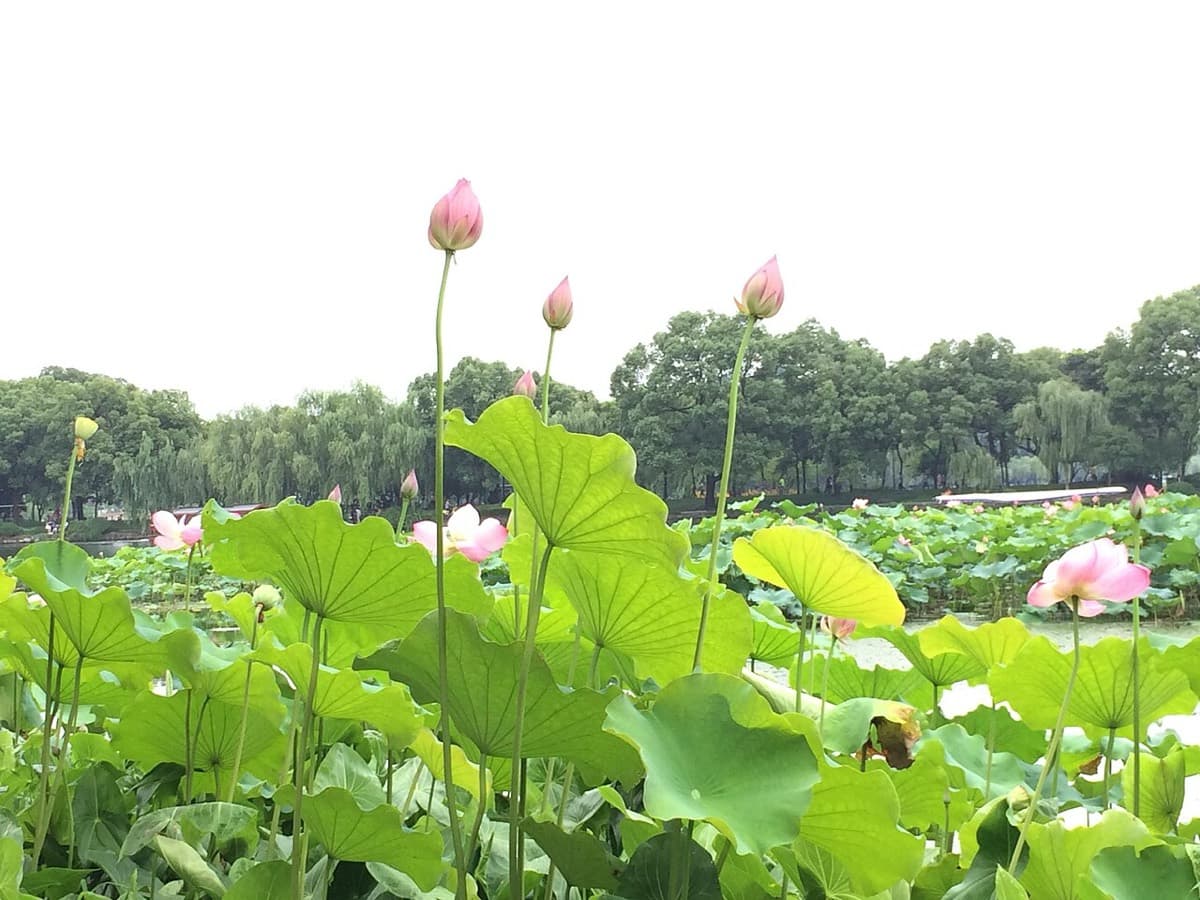
Summer has beauty, especially lotus around West Lake, but it can be hot, humid, and tiring. This is the season to plan mornings and evenings, use air-conditioned breaks, and stop pretending that a full lake walk at midday is noble.
If the forecast is above your comfort limit, choose shaded parks, temples early in the day, museums, malls, tea houses, or a water-facing evening. Summer Hangzhou can still be excellent, but only if the itinerary respects weather.
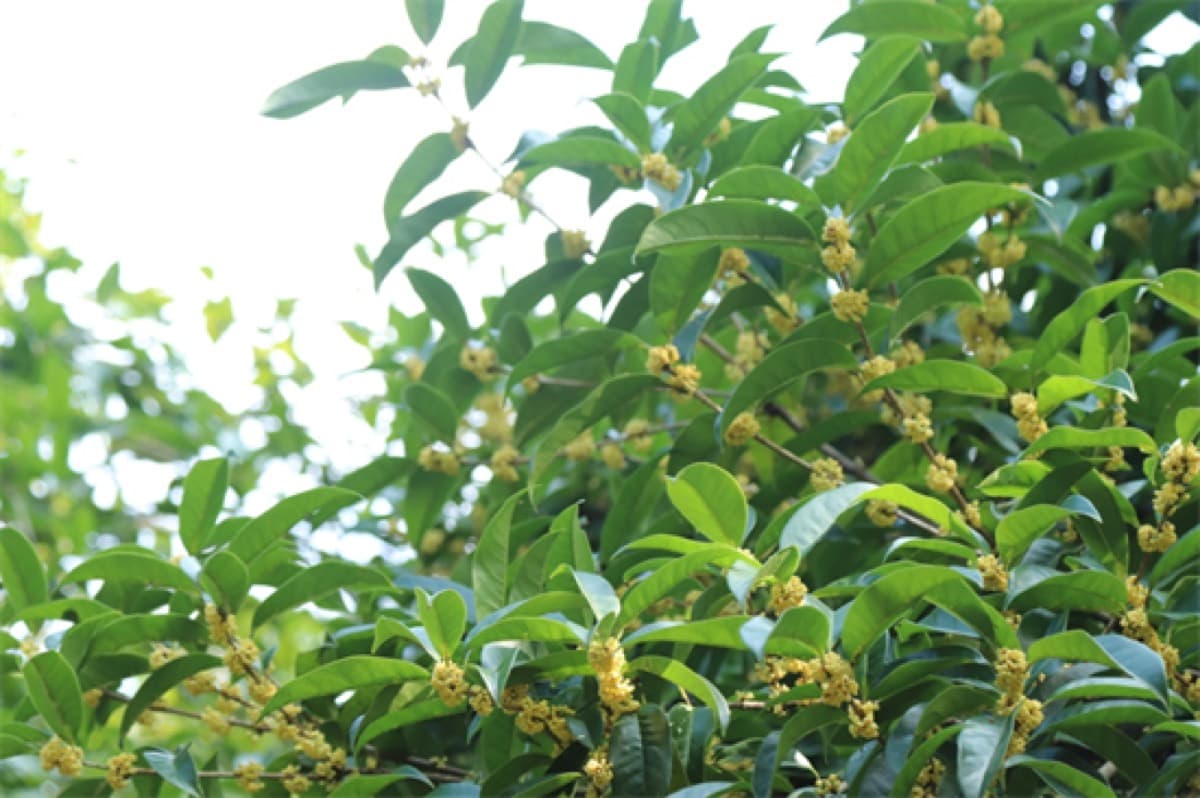
Autumn: osmanthus is the reason people become sentimental
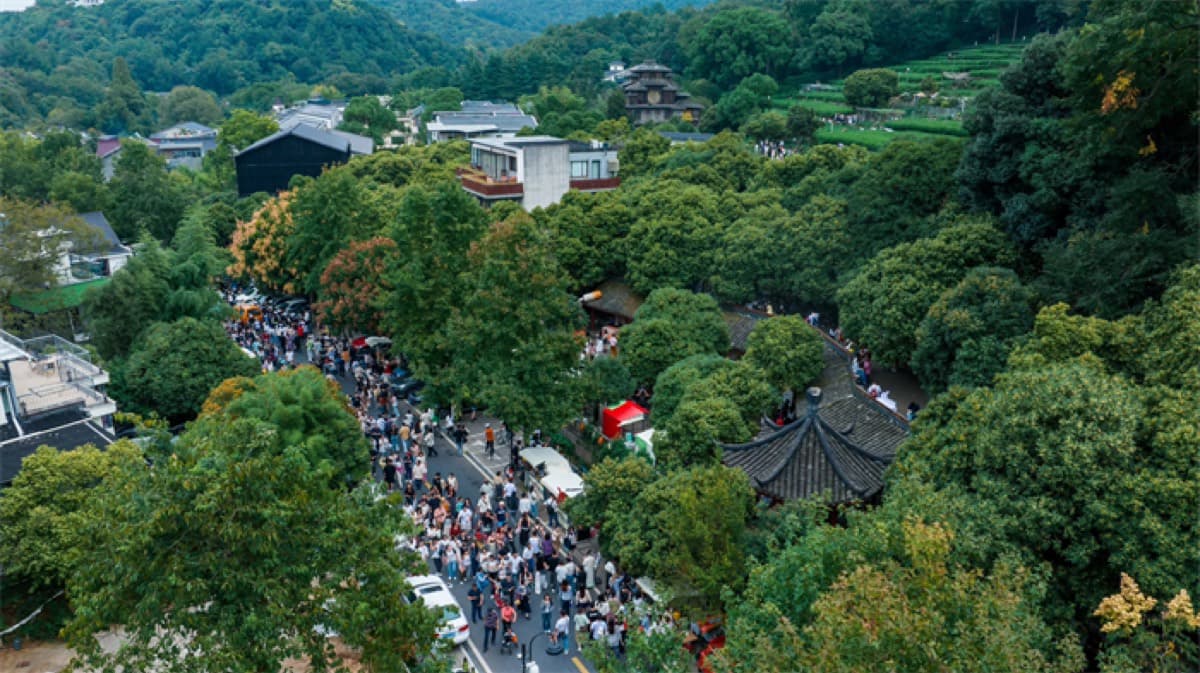
Autumn is the season when Hangzhou's reputation starts to make emotional sense. Manjuelong village is famous for osmanthus, and Hangzhou tourism describes it as one of the best places to enjoy the flowers, with thousands of osmanthus trees and a scented valley atmosphere. eHangzhou also reported heavy autumn crowds there in October 2024.
Go for the fragrance, tea houses, village walks, and slower air. Just watch National Day week around October 1. If you can visit after the holiday surge, Hangzhou becomes much easier to love.
Winter: quieter, colder, and sometimes more beautiful than expected
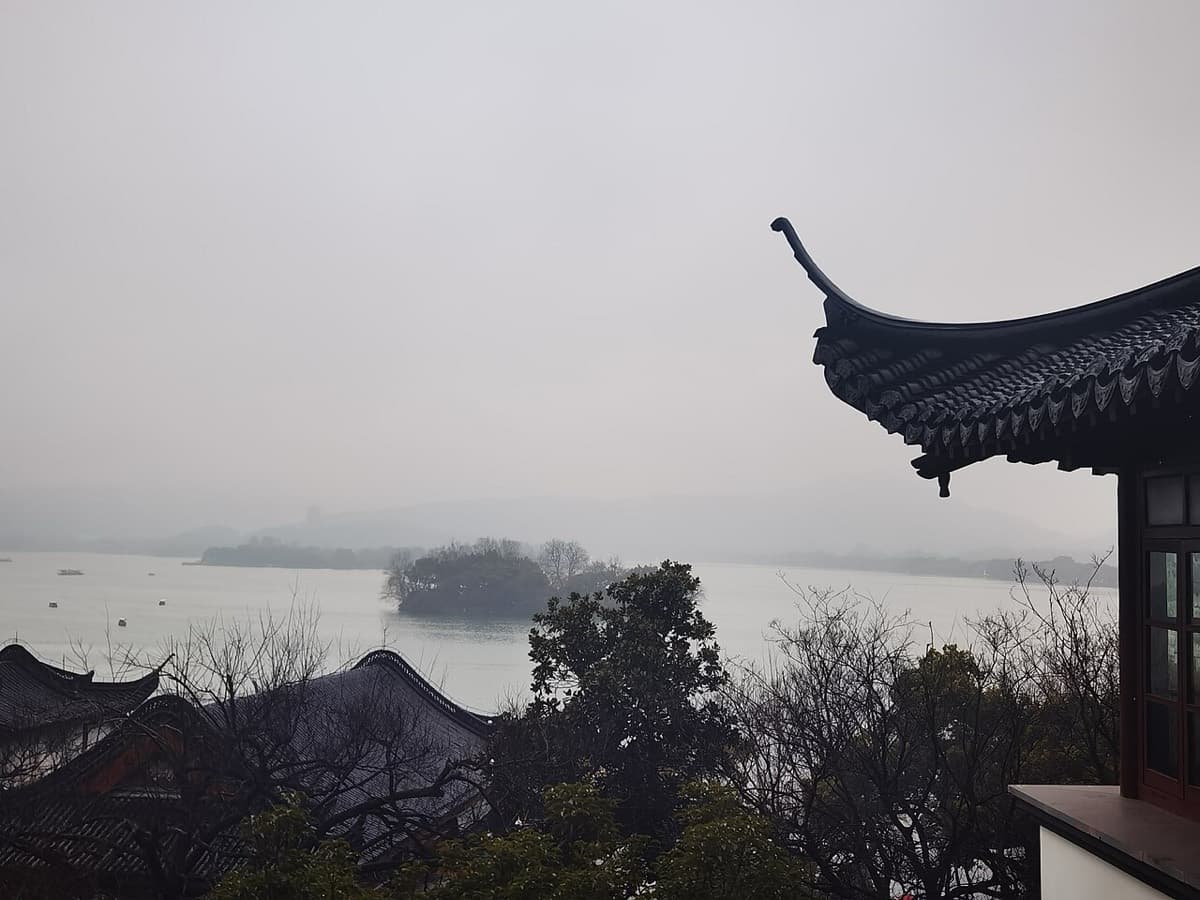
Winter Hangzhou is not the obvious first choice, but it has a real charm: fewer tourists, misty lake views, tea houses that feel warmer, and the occasional snow scene that makes West Lake look like an ink painting. The tradeoff is shorter daylight, colder damp air, and less lush scenery.
Choose winter if you prefer calm to spectacle. Pack layers, keep plans flexible, and use the season for museums, historic streets, tea, and gentle lake walks rather than a maximal outdoor route.
Holiday rule: beautiful season plus national holiday equals pressure
The big holiday caution is simple: Qingming, May Day, Dragon Boat Festival weekends, Mid-Autumn combinations, and National Day can put enormous pressure on West Lake, Lingyin, Longjing, Hefang, taxis, restaurants, and hotels. Good weather makes this stronger, not weaker.
If you must travel during a holiday, book earlier, stay within walking distance of your main target, start before breakfast, and keep the afternoon flexible. The goal is not to defeat the crowd. It is to design a day that still feels like travel.