
Beijing / Local Culture
A Night Out in Old Beijing: Peking Opera, Teahouses and Crosstalk Without Feeling Lost
Beijing makes more sense after you hear it. Peking Opera gongs, teahouse patter, comic timing, clappers, acrobatics, and the old Tianqiao performance spirit all give the city a voice that monuments cannot. You do not need to understand every line to enjoy it. You just need to pick the right format for your attention span, language comfort, and appetite for old Beijing atmosphere.
Why a performance night belongs in a Beijing trip
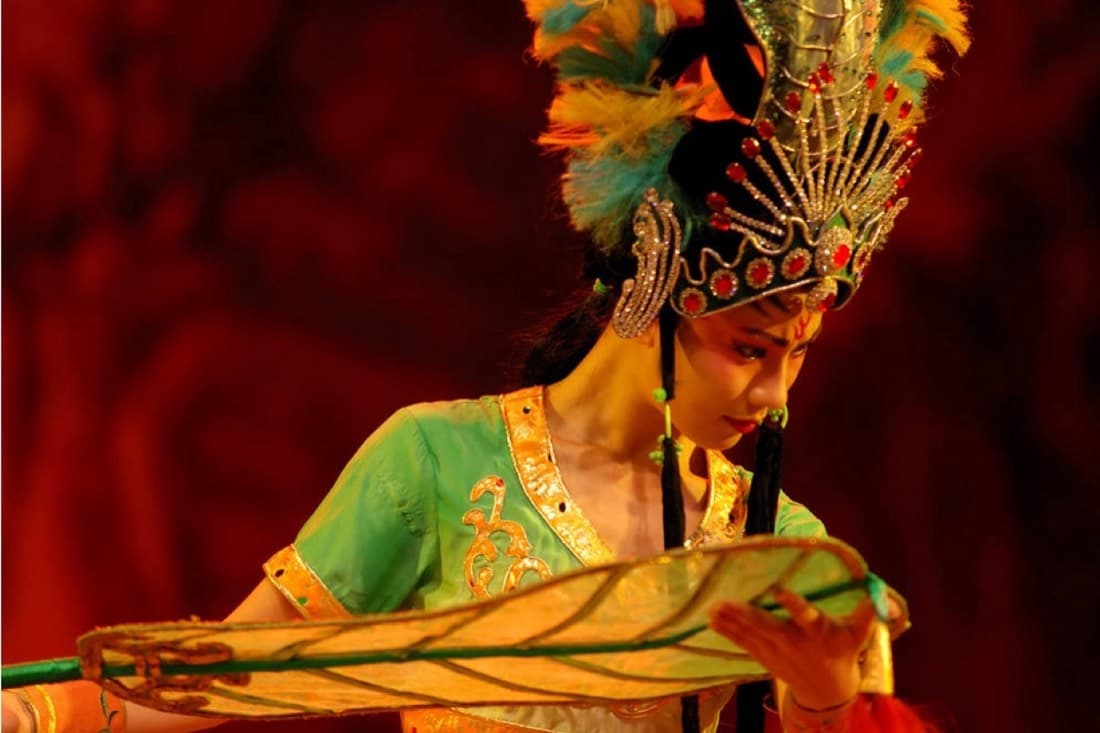
Many visitors leave Beijing with excellent palace photos but no memory of how the city sounds. That is a shame, because Beijing's stage culture is one of its most local pleasures. Peking Opera gives you stylized movement, percussion, face paint, martial rhythm, and stories that compress history into gesture. Crosstalk and quyi give you the talkative, teasing, street-smart side of the capital.
Do not approach this like homework. You are not expected to decode every costume, aria, or punchline. Think of it as a live cultural sampler: watch how the audience reacts, how performers hold silence, how the instruments cue a fight, and how the room changes when a familiar rhythm lands.
Peking Opera: start with color, rhythm, and roles
Official Visit Beijing materials describe Peking Opera as a comprehensive art combining music, singing, dialogue, mime, dance, and martial arts. That is why first-timers often do better watching for patterns rather than chasing plot details. Red, black, white, and gold face colors are not decoration only; they help signal character type, loyalty, temperament, or supernatural force.
If you are unsure what to book, look for a highlights performance or a venue used to tourists. Shorter excerpts are often more rewarding than a full traditional opera for a first night, especially if you have spent the day walking the Forbidden City.
Lao She Teahouse is the easy mixed-culture gateway
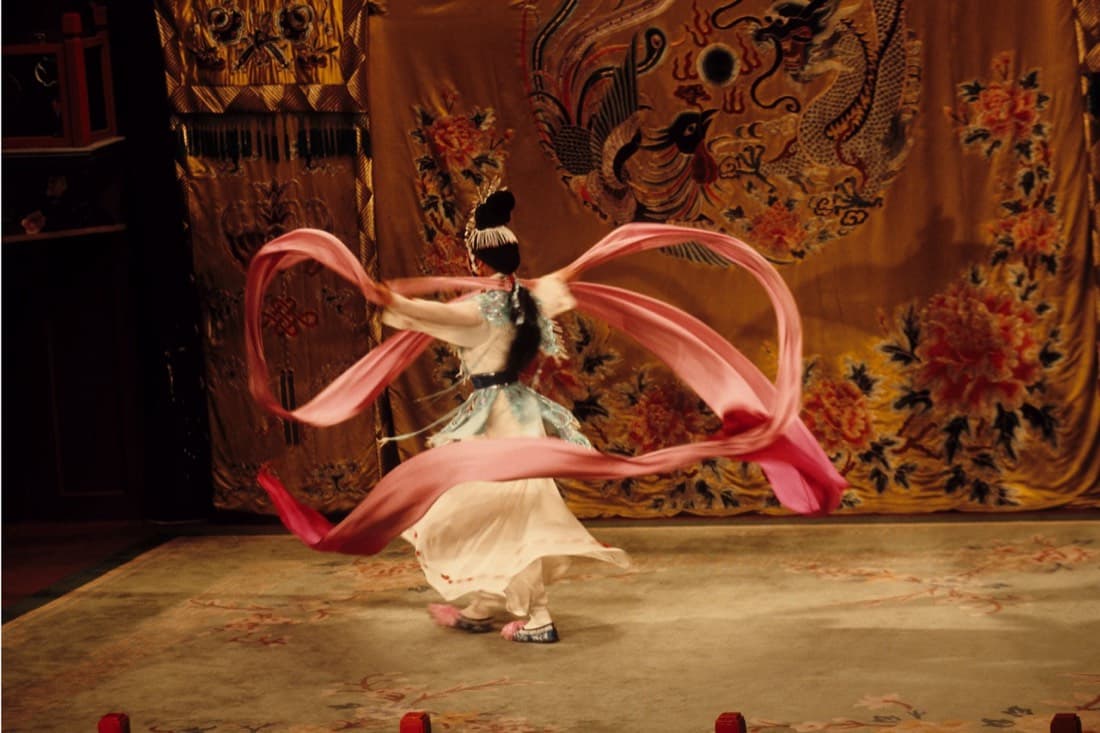
Lao She Teahouse near Qianmen is popular with visitors because it packages several old-Beijing experiences into one night: tea, snacks, a theatrical room, and a rotating mix that can include Peking Opera, acrobatics, kung fu, folk music, and other traditional acts. It is not the cheapest option, but it is low-friction and foreigner-friendly.
This is the practical choice if you are traveling with family, friends who do not speak Mandarin, or anyone who wants a lively night rather than a specialist deep dive. You get atmosphere and variety without needing to commit to one long art form.
Tianqiao: the old street-performance imagination
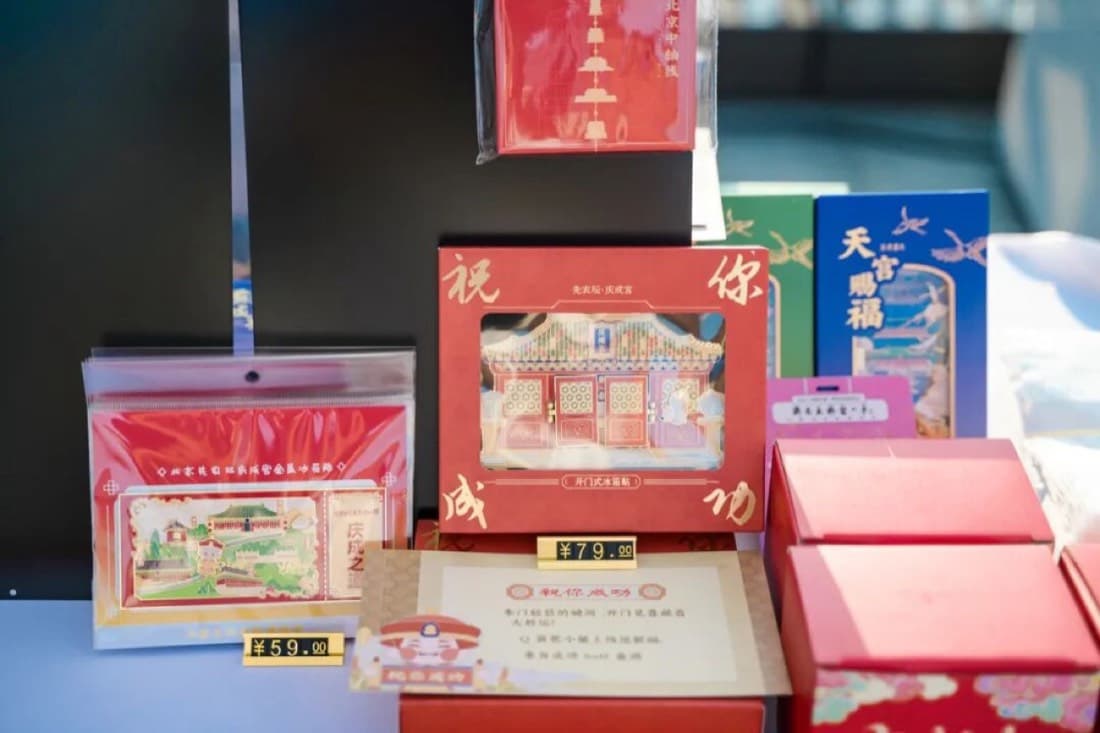
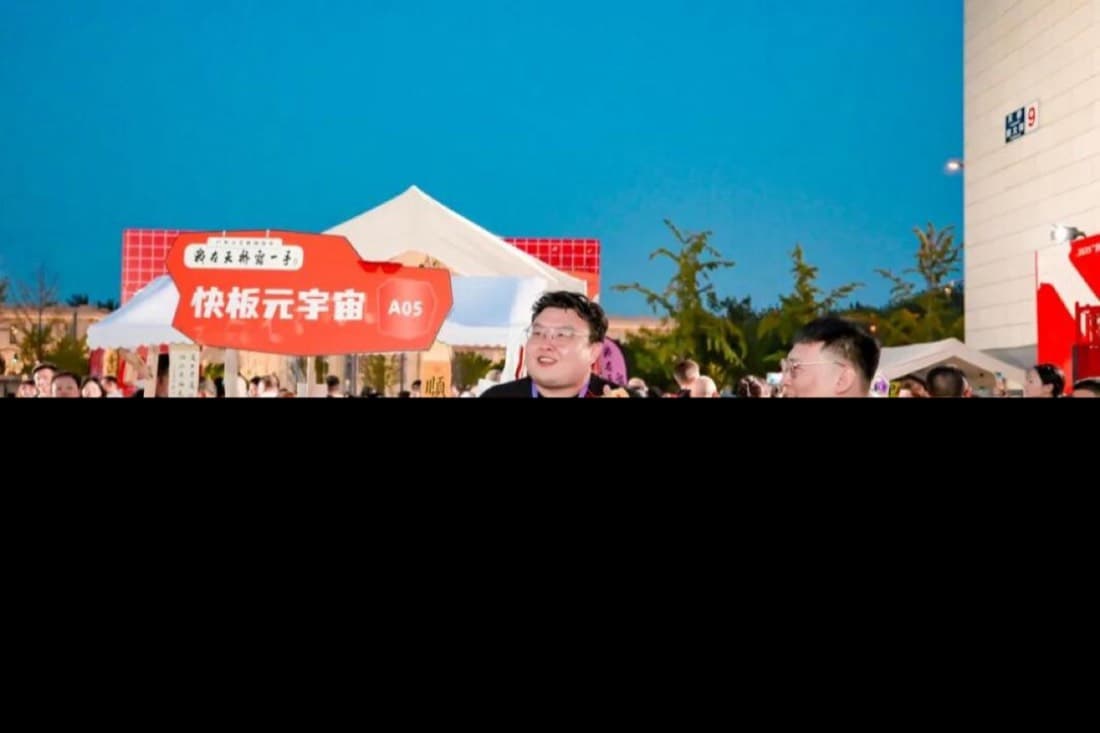
Tianqiao has long been associated with Beijing folk performance culture: acrobatics, quyi, comic storytelling, kuaiban, crosstalk, and street-style entertainment. Modern Tianqiao events and markets still trade on that memory, with weekend shows, small stages, and public-performance energy that feels different from a formal theater.
If a Tianqiao market or outdoor performance is running, it can be a fun low-pressure way to feel Beijing's popular culture. Expect more local atmosphere than polished tourist explanation. That is part of the appeal.
Zhengyici: old wood, old acoustics, old Beijing gravity
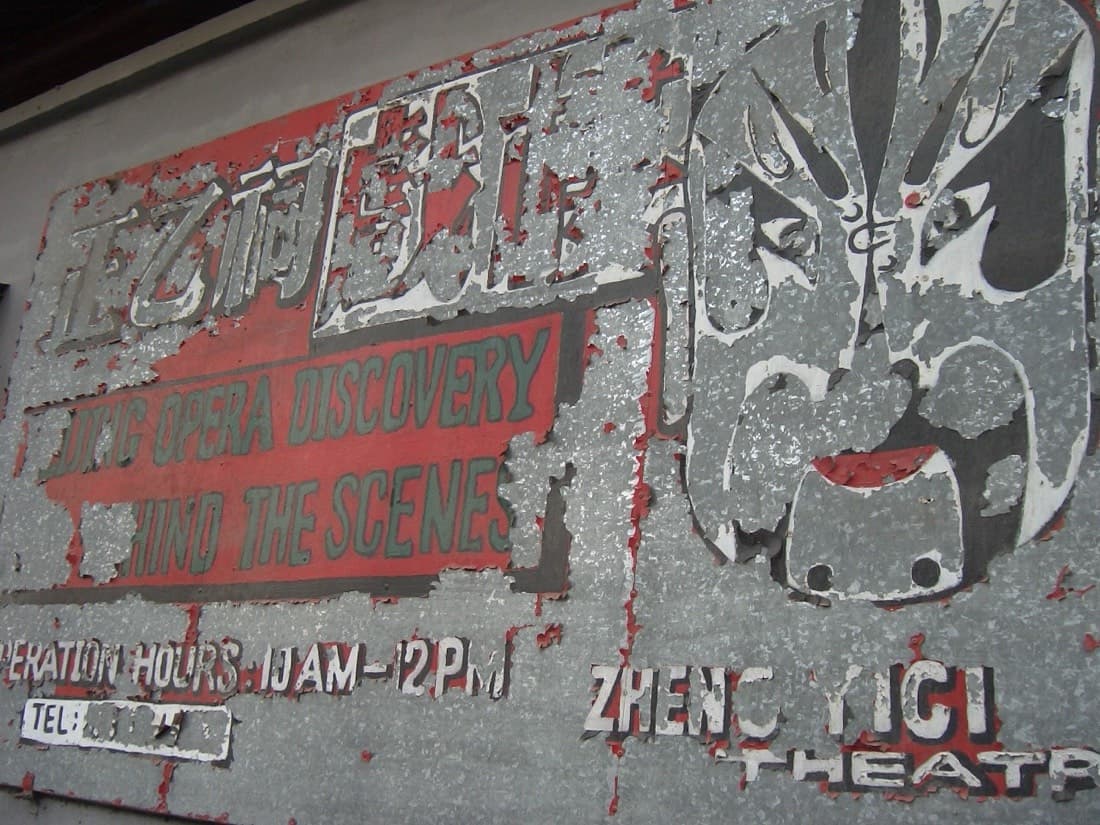
Zhengyici Theatre is the moodier choice. Official Beijing and Visit Beijing sources describe it as an old, well-preserved wooden theater connected to the development of Peking Opera and the guildhall performance tradition. This is the kind of place where the building is part of the show.
Check the current schedule before going, because heritage venues may not run tourist-friendly performances every night. When a show does line up, Zhengyici is ideal for travelers who care about setting, architecture, and the feeling of watching old forms in an old room.
How to choose your Beijing show
Choose Peking Opera if you want visual force, stylized movement, costumes, percussion, and an art form with UNESCO-level cultural weight. Choose crosstalk if you speak Chinese or want to sit inside a very local audience rhythm. Choose Lao She Teahouse if you want the smoothest first-timer evening. Choose Tianqiao if you want Beijing's folk-performance street memory.
A good performance night pairs well with Qianmen, Dashilar, Liulichang, the Temple of Heaven, or a central-axis day. Do the logistics early, keep your hotel address handy for the ride back, and remember that even if you miss half the words, you can still understand the room.