
Beijing / Practical Guides
Best Time to Visit Beijing: Spring Blossoms, Autumn Leaves and Holiday Crowds
The best time to visit Beijing is not only about temperature. It is about how the city feels under your feet: clear autumn air on the Great Wall, spring blossoms in parks, summer heat that pushes you indoors, winter light over old roofs, and holiday crowds that can turn a simple museum day into a logistics exercise. Pick the season that matches your patience, not just your calendar.
The short answer: spring or autumn
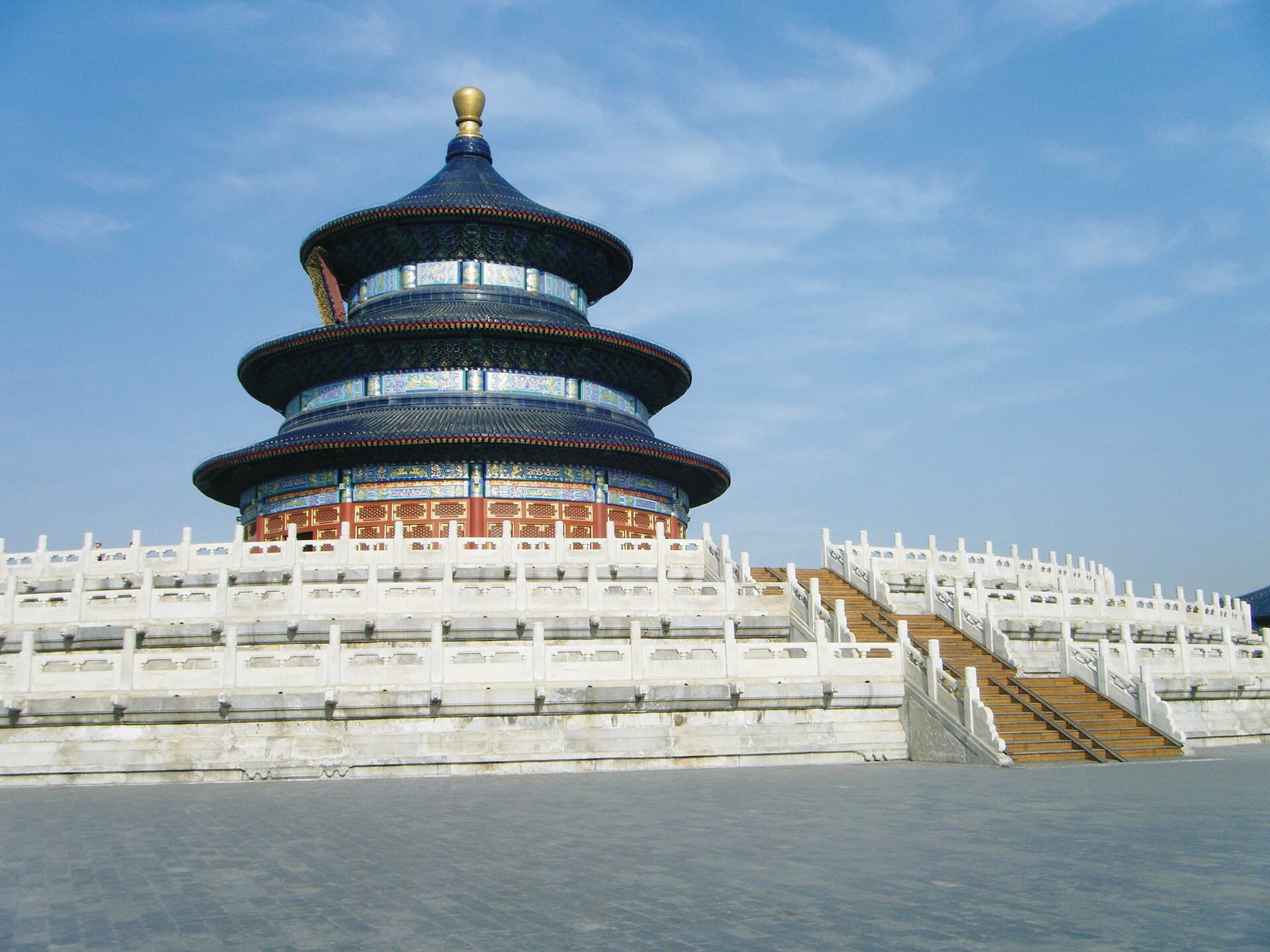
For most first-time visitors, spring and autumn are the most comfortable Beijing seasons. The weather is usually friendlier for walking, parks become more attractive, and long outdoor sights like the Great Wall, Summer Palace, Temple of Heaven, and hutong routes feel less punishing.
National Geographic's 2026 Beijing feature makes the same broad point: spring and autumn are the sweet spots, while summer heat, winter cold, and holiday crowd periods need more planning. That matches the way most travelers experience the city.
Spring: blossoms, parks, and a little atmospheric drama
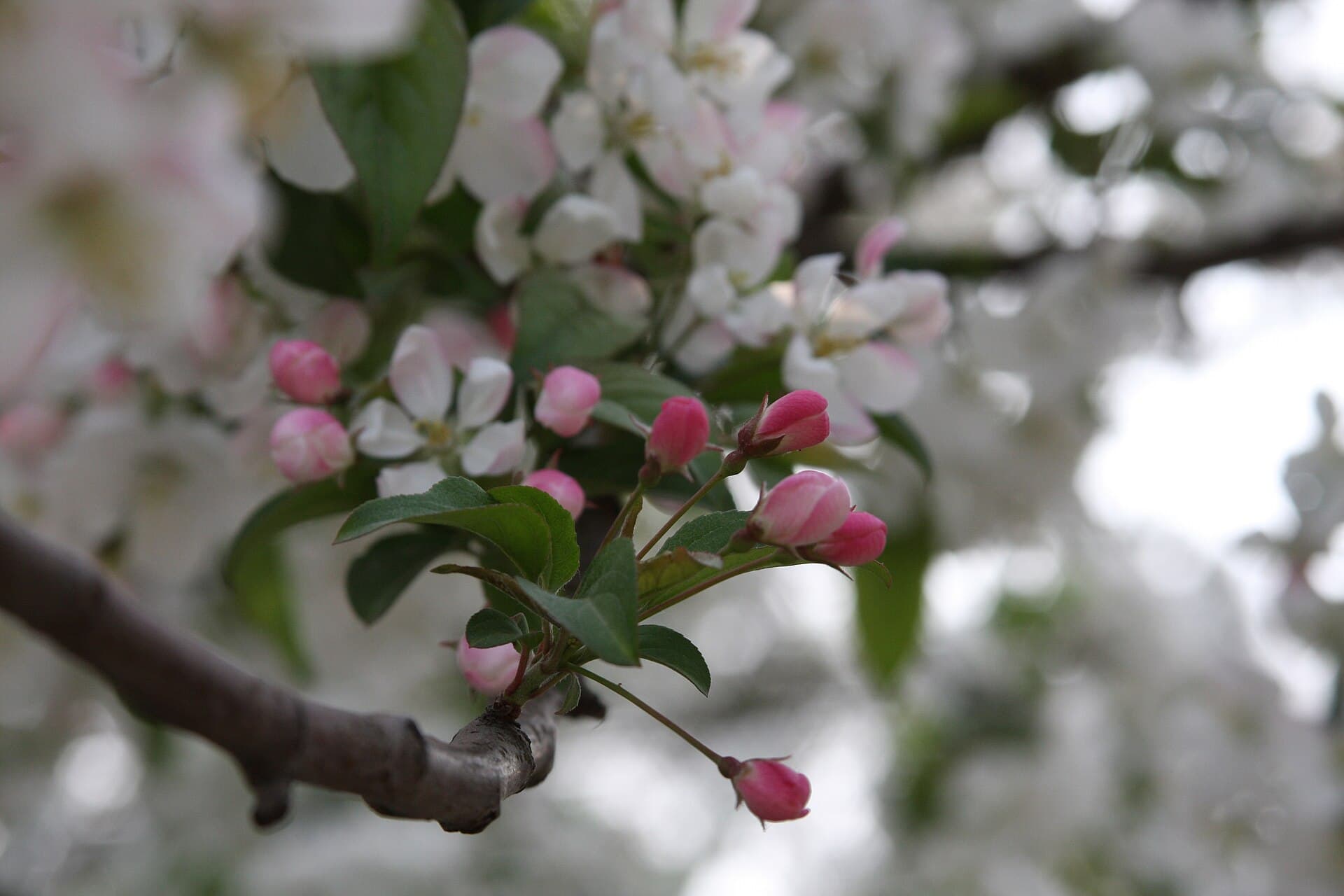
Spring is when Beijing parks start doing their best public-relations work. You can build days around cherry blossoms, magnolias, palace courtyards, hutong walks, lakeside routes, and early-season Great Wall trips before summer arrives.
The catch is wind and dust. March and April can bring gritty air, dry skin, allergy days, and sudden weather mood swings. Pack layers, sunglasses, lip balm, and a flexible plan that lets you swap a long outdoor route for a museum or teahouse if the air is unpleasant.
Autumn: the Beijing season people remember
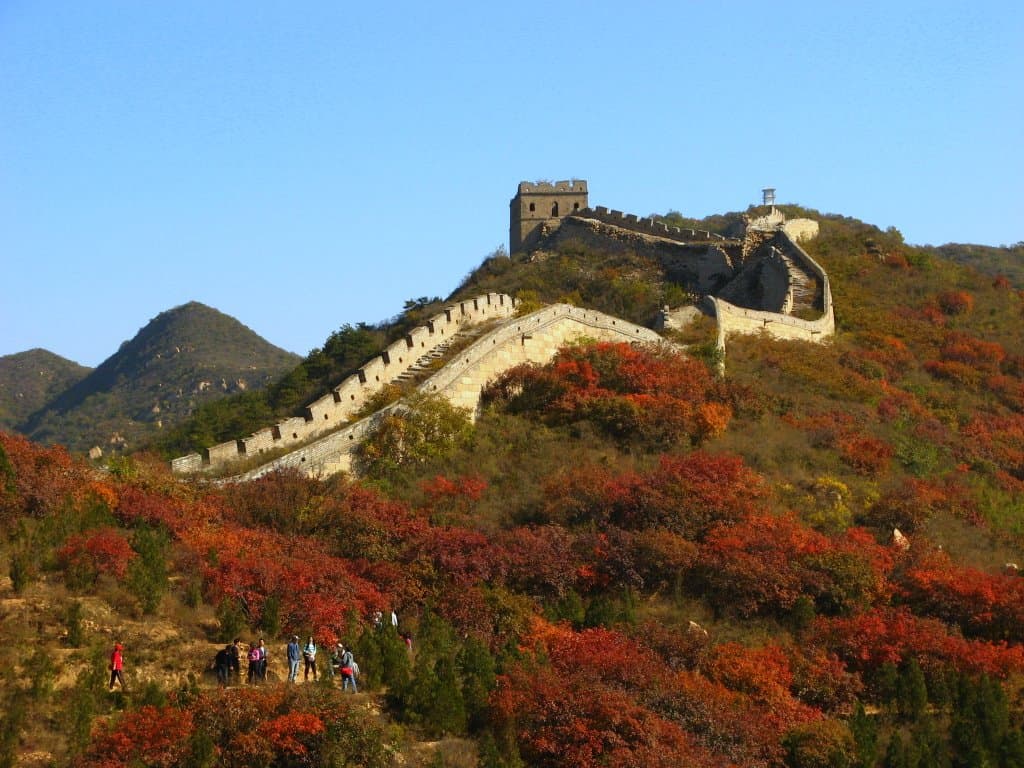
Autumn is the season that makes Beijing look like it knows exactly what it is doing. Clearer skies, comfortable walking weather, golden leaves, palace roofs, and Great Wall ridgelines all work together. If you care about photography, long walks, or first impressions, autumn is hard to beat.
The obvious tradeoff is demand. Popular leaf-viewing weekends, Fragrant Hills-style outings, and Great Wall day trips can become crowded. Book key tickets earlier, start outdoor days earlier, and do not build a route that depends on crossing the city at peak hour.
Summer: possible, but design around heat
Summer Beijing is not impossible, but it asks for humility. Heat, humidity, thunderstorms, school holidays, and long security queues can make a heroic sightseeing list feel silly by noon. The best summer plans start early, hide indoors at midday, and return outside when the city softens.
This is when museums, shopping districts, hotel pools, long lunches, and evening walks become useful. If you are traveling with children, older relatives, or anyone who overheats easily, summer Beijing needs fewer attractions per day and more air-conditioned exits.
Winter: cold, clear, and better than people expect
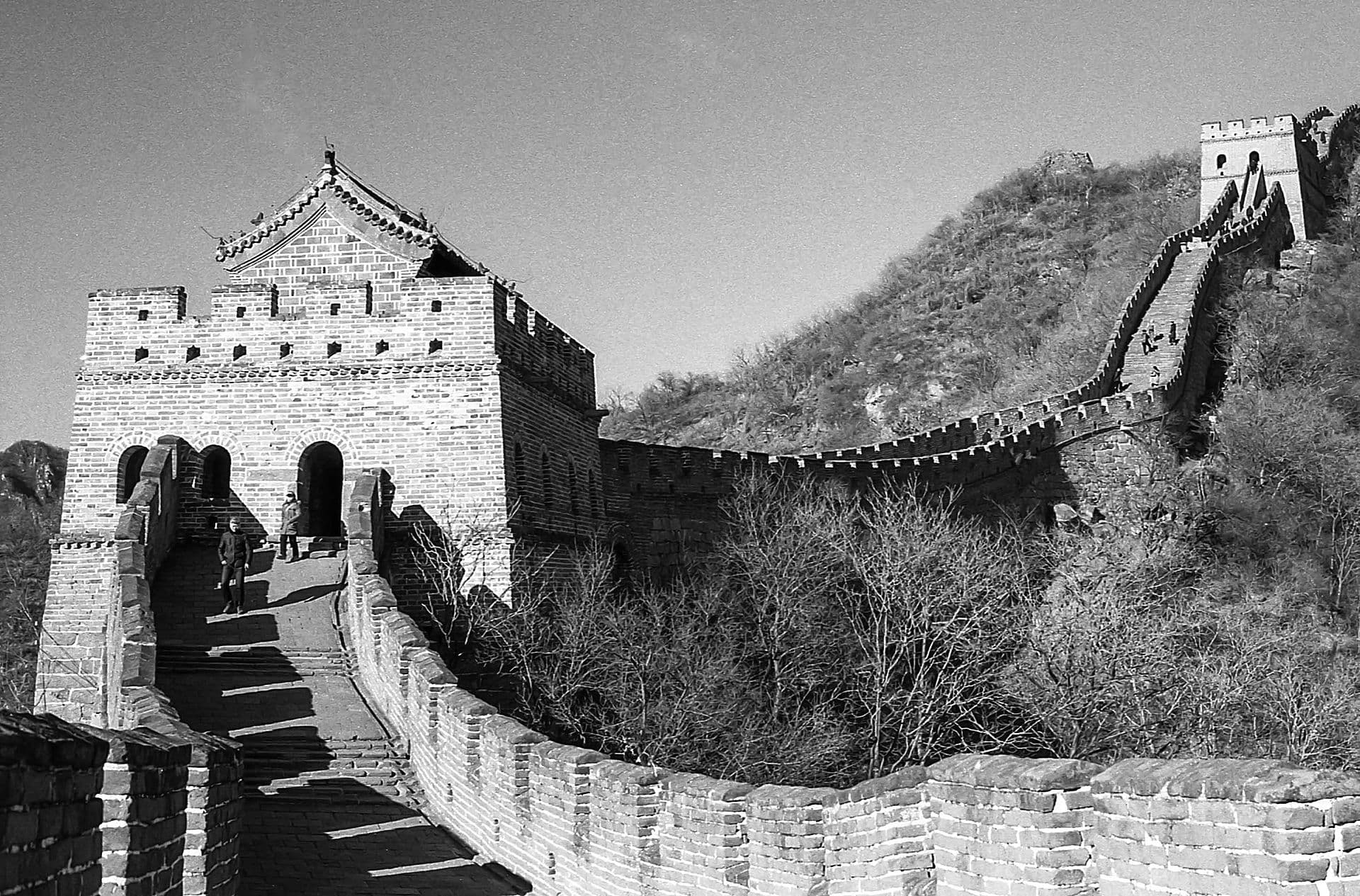
Winter Beijing is cold and dry, but it can be surprisingly rewarding. The crowds can be thinner, the light can be sharp, and snow on the Great Wall or old palace roofs gives the city a dramatic look that spring cannot copy.
The practical problem is comfort. Short daylight, icy wind, and long outdoor exposure can drain you. Choose fewer outdoor sights, dress properly, and think of winter as a season for one strong outdoor moment plus warm indoor recovery.
The crowd calendar matters as much as the weather
If you dislike crowds, watch the major Chinese holiday periods: Spring Festival, May Day, and National Day. These can affect flights, hotels, attraction tickets, train demand, restaurant waits, road traffic, and the mood around famous sights.
A good Beijing trip does not need perfect weather. It needs enough space to move. If your dates overlap with a holiday, book earlier, choose a better-located hotel, reserve attraction tickets as soon as windows open, and use parks or neighborhood walks as pressure valves.