Beijing / Local Culture
Beyond the Palaces: Beijing's Student Districts, Campus Legends and Bookstore Cafes
Northwest Beijing is a different city from the palace-and-hutong version. Around Wudaokou, Zhongguancun, Peking University, and Tsinghua, the mood turns younger, nerdier, more international, and more caffeinated. It is not the first base I would give every tourist, but it is one of the best areas for understanding Beijing as a knowledge city rather than only an imperial capital.
Why northwest Beijing feels different
The Beijing most tourists meet first is ceremonial: gates, walls, axes, squares, palaces, and temples. Northwest Beijing feels more like ambition in everyday clothes. Students, researchers, programmers, international students, language schools, cafes, malls, bookstores, and tech offices make the area feel faster and younger.
A local Reddit discussion about where Beijing actually works points travelers toward thinking by area and lifestyle. Wudaokou and the university belt make sense when you want youth energy or have a reason to be near the campuses. They are less ideal if your trip is only three days of classic sights.
Wudaokou: student nightlife and international friction
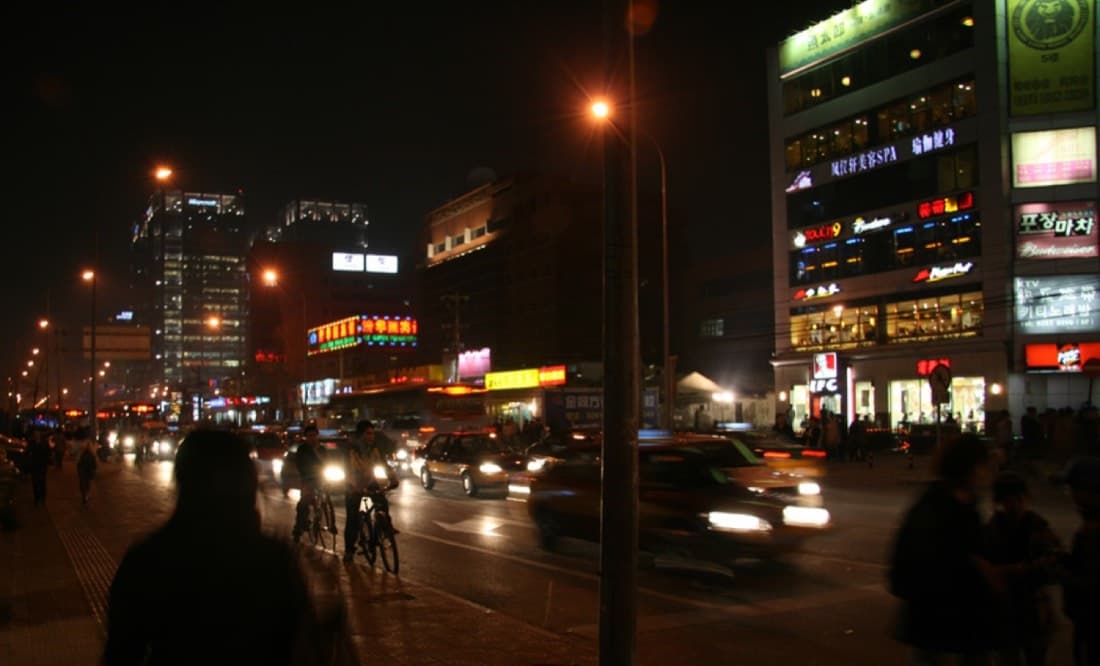
Wudaokou is the obvious youth-culture name. It has long been associated with students, international residents, language schools, cheap-ish food, late nights, and a social scene that feels less polished than Sanlitun. It is not beautiful in the classic Beijing way, but it is useful if you want the city to feel current and young.
Go for dinner, drinks, Korean food, student bars, and people-watching rather than postcard architecture. If you stay here, accept that many central sights are a commute. If you visit for a night, use the subway in and ride-hailing back when tired.
Peking University: gardens, gates, and campus mythology
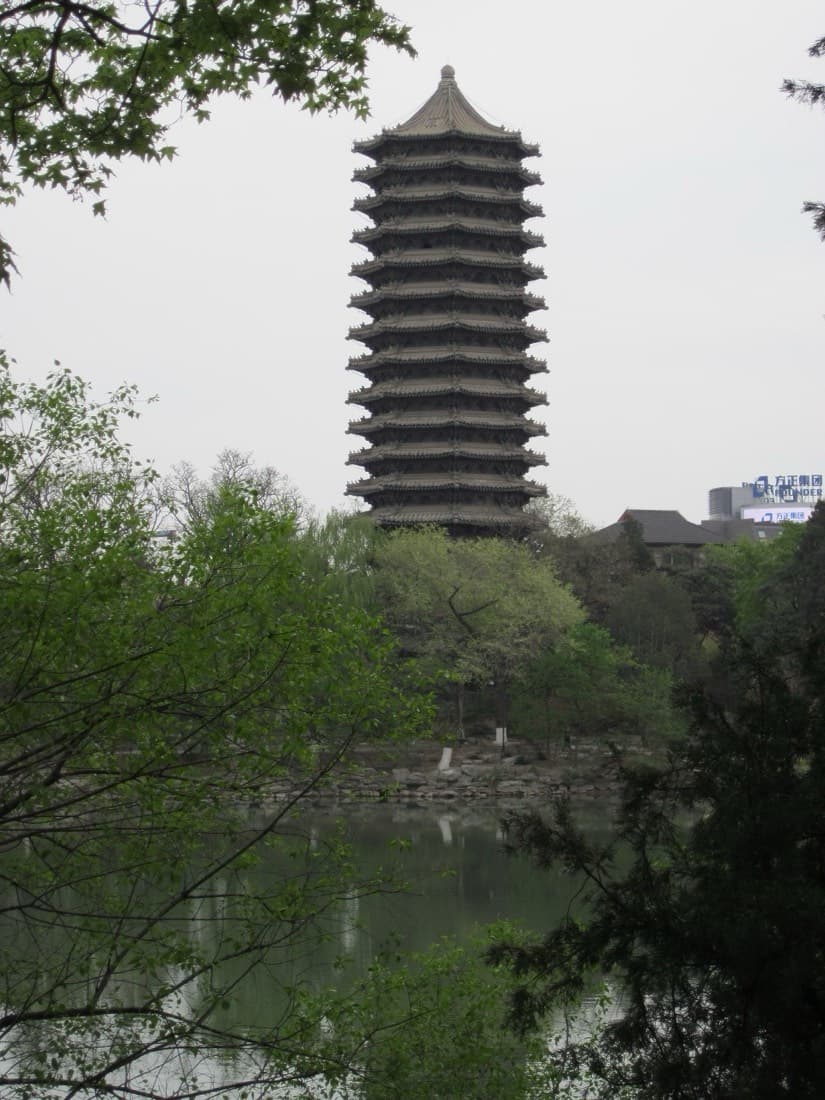
Peking University is famous not only for academics but for the Yanyuan campus landscape. Official PKU pages describe Weiming Lake and Boya Pagoda as iconic sights, with the lake-and-tower pairing forming one of the university's most recognizable scenes.
The catch is access. Major campuses in China often require reservation, invitation, or specific visitor rules, and these can change. Do not build a whole day around walking in unless you have verified current entry requirements and ID procedures.
Tsinghua: campus prestige, reservation reality
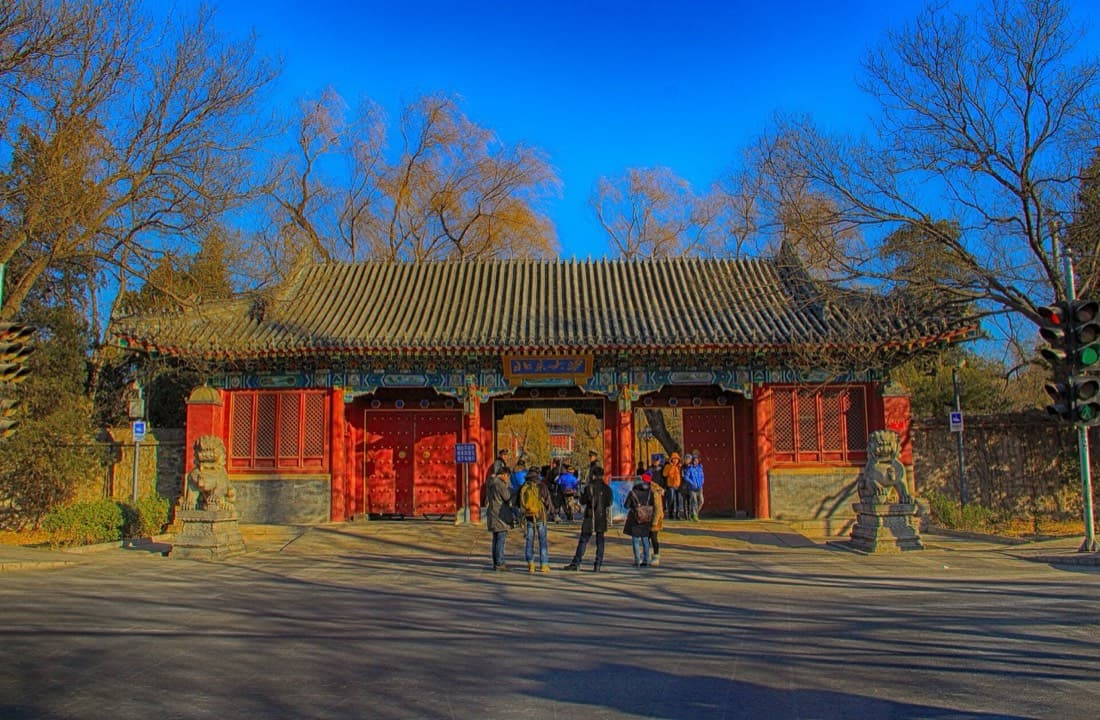
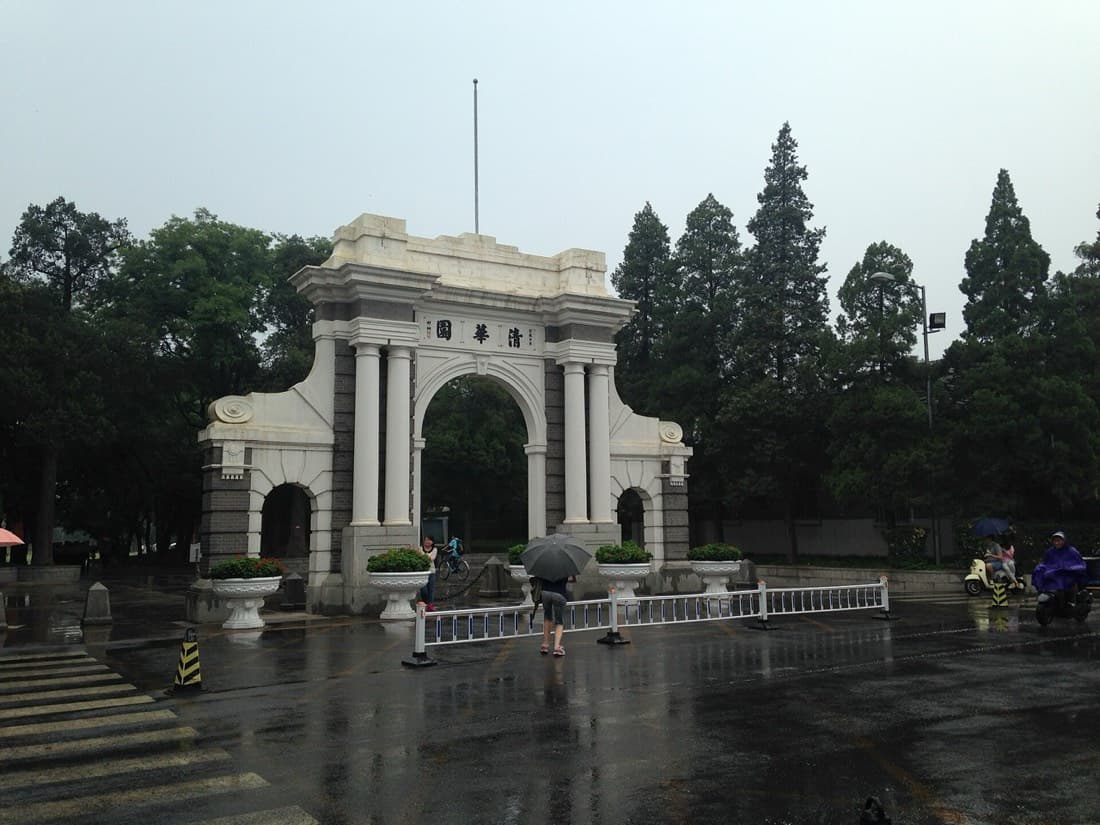
Tsinghua sits nearby and has a different visual identity: old gates, broad campus roads, science-and-engineering prestige, and a strong official visitor process. Tsinghua's English visitor pages say individual visits require real-name registration through the Visit Tsinghua WeChat applet, with designated entry and exit gates.
For foreign visitors, this means you should check the current rules before making promises to yourself. If access is difficult, the area still works as a northwest Beijing day with Yuanmingyuan, Summer Palace, bookstores, cafes, and Zhongguancun.
Zhongguancun: Beijing's knowledge economy in street form
Zhongguancun is less romantic than a campus but important to the Beijing story. It is associated with tech companies, electronics, startups, research, offices, malls, and the idea of Beijing as a brainy, high-pressure city rather than only a historic one.
For travelers, Zhongguancun is best treated as context: walk through, eat nearby, notice the scale of the district, and pair it with the universities or a bookstore-cafe stop. It is not the prettiest district, but it explains a lot.
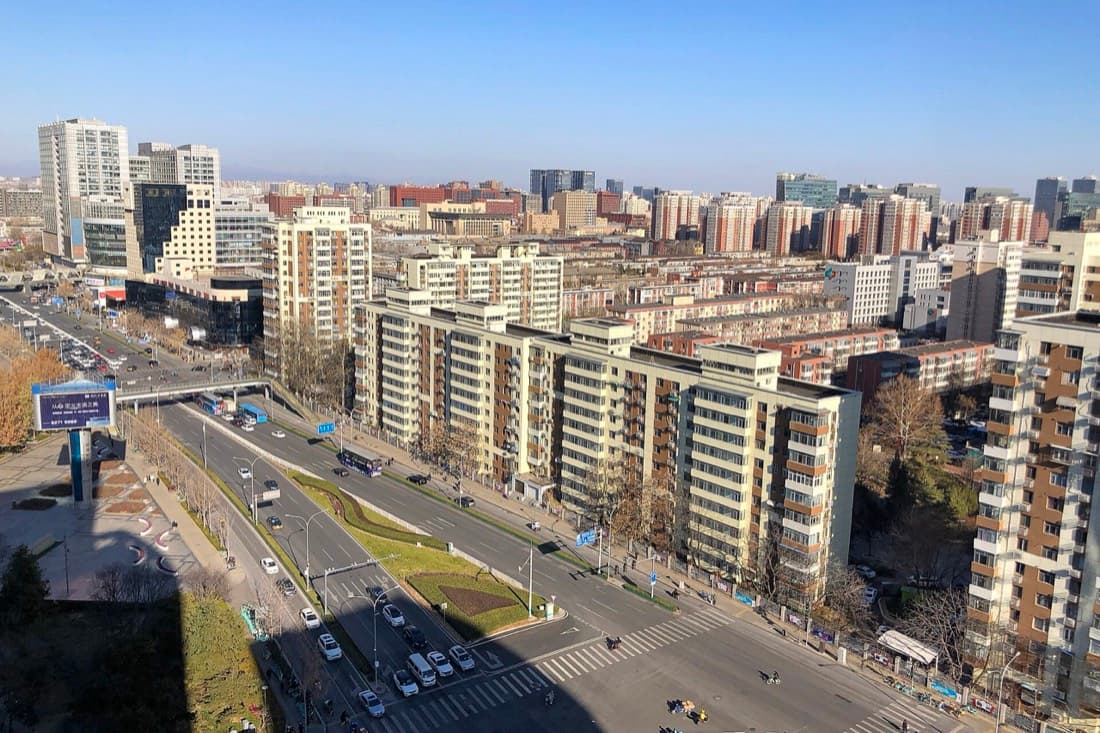
Bookstore cafes and a northwest Beijing day
The best version of this area is not a checklist of gates. It is a day with a campus attempt, a bookstore or cafe, a simple student-area meal, and one nearby classic sight such as Yuanmingyuan or Summer Palace. That balance keeps the day from becoming too administrative.
This is also a good route for repeat visitors. If you already did the Forbidden City, Great Wall, and hutongs, the university belt gives you another Beijing: young, ambitious, international, bookish, and slightly restless.