
Beijing / Practical Guides
Beijing Itinerary Guide: 3 Days of Classics, 5-7 Days with Hutongs, Museums and the Great Wall
A good Beijing itinerary should feel like a sequence, not a scavenger hunt. The classic three-day version gives you imperial Beijing, temple-and-street Beijing, and garden Beijing. With five to seven days, you can slow down into hutongs, museums, food streets, and the Great Wall without making every morning feel like a race against your own spreadsheet.
Build around areas, not individual pins
Beijing looks simple on a sightseeing list: Forbidden City, Tiananmen, Temple of Heaven, Summer Palace, Great Wall, hutongs, museums. On the ground, the city is huge, security checks take time, stations have long exits, and attraction reservations can decide the day before transport does.
The useful rule is to group by area and energy. A local Reddit route puts Temple of Heaven, Tiananmen, Forbidden City, Jingshan, Nanluoguxiang, Houhai, and Drum Tower into one classic sightseeing spine. That is a helpful idea, but most visitors should soften it into two days if they want to enjoy it rather than just survive it.
Day 1: Forbidden City, Jingshan, Shichahai, Drum Tower
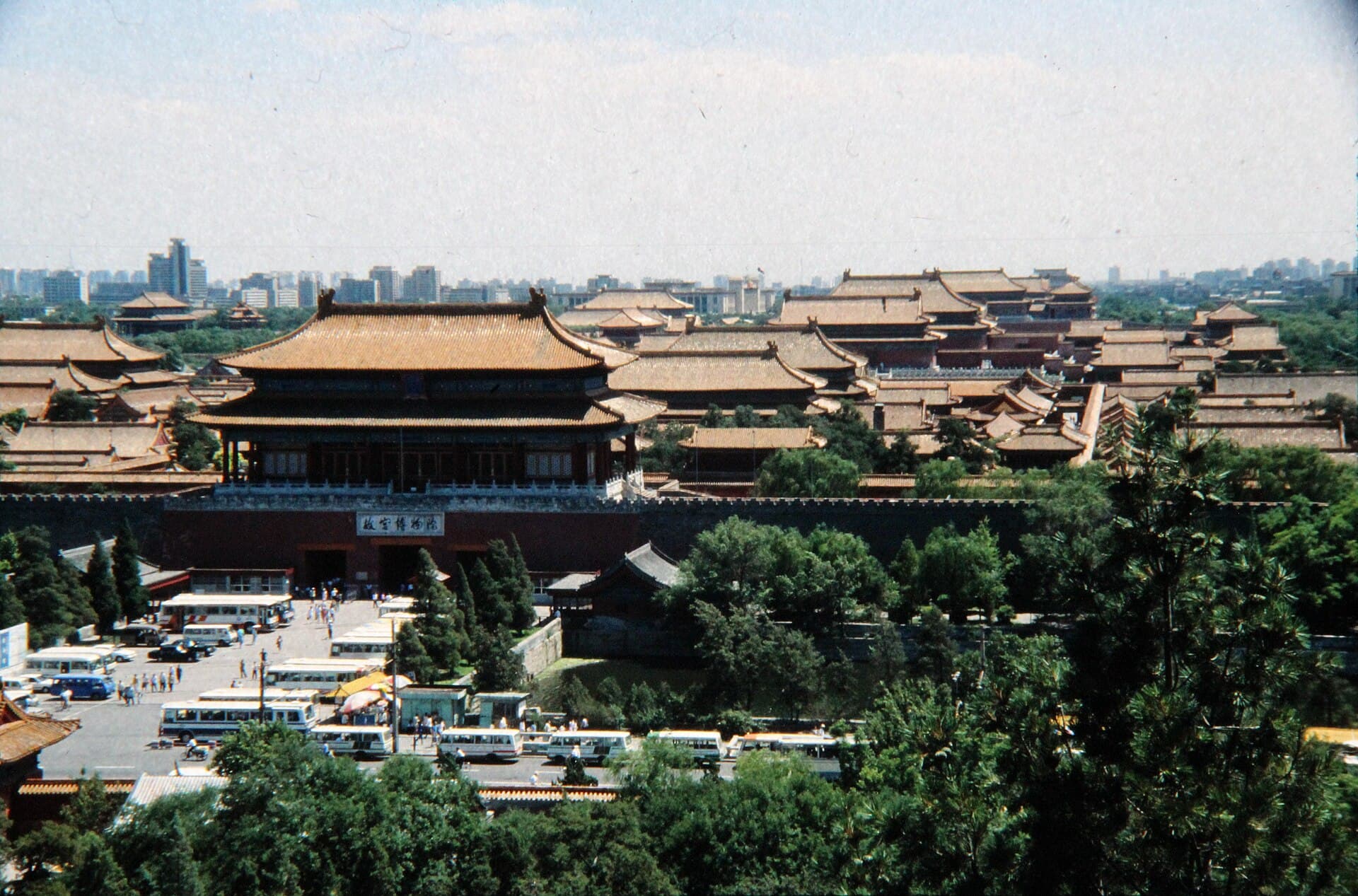
Start with the imperial core if you have the reservation. Do Tiananmen-area logistics early, enter the Forbidden City with your passport, and keep the day focused. After the palace, Jingshan Park is the best short add-on because the climb gives you the famous roofline view back over the Forbidden City.
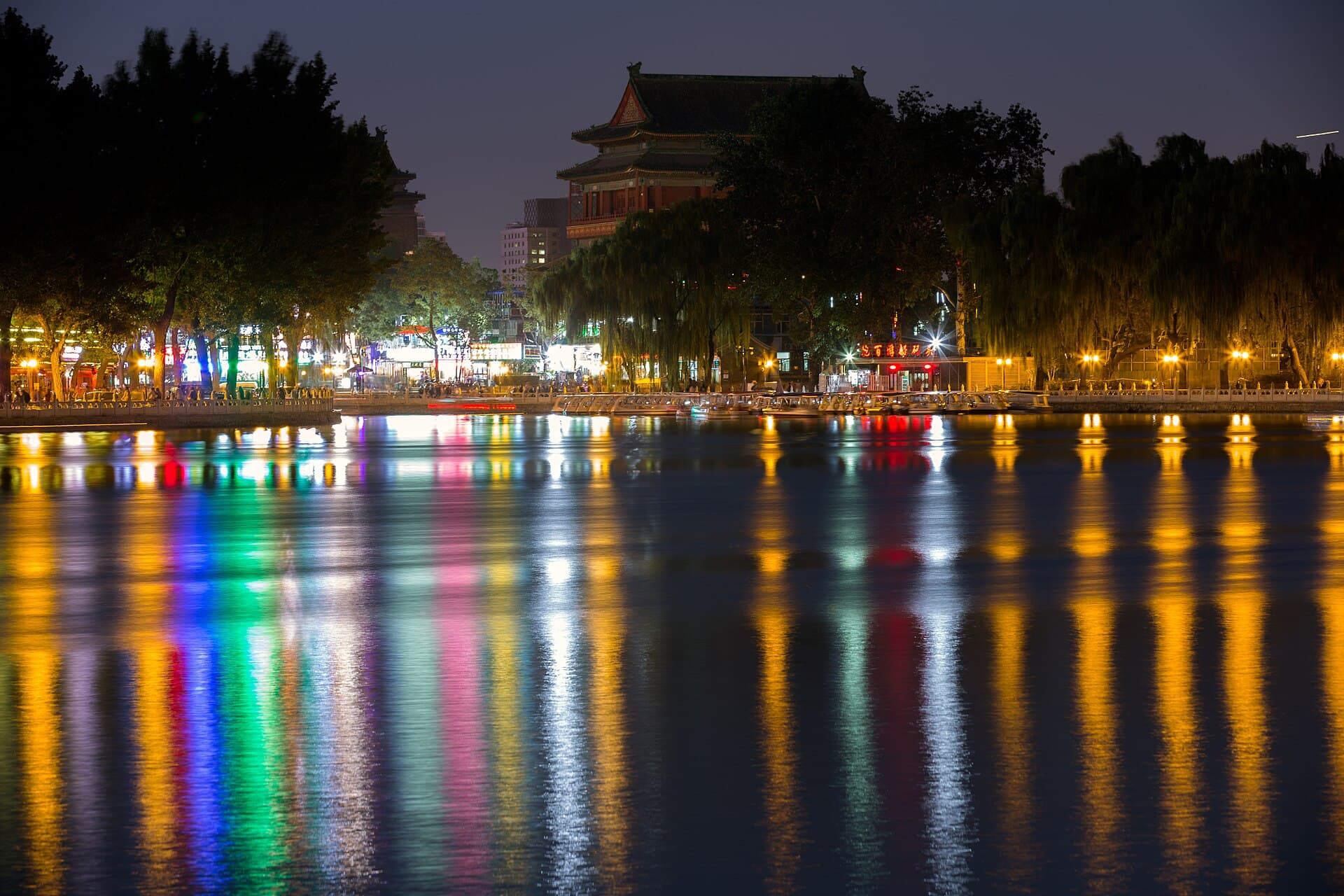
If you still have energy, move north toward Shichahai, Houhai, or the Drum Tower area for a softer evening. This is where Beijing stops being only monumental and starts feeling like lanes, lakes, snacks, bars, bikes, and people out after work.
Day 2: Temple of Heaven, Qianmen, Dashilar, hutong dinner
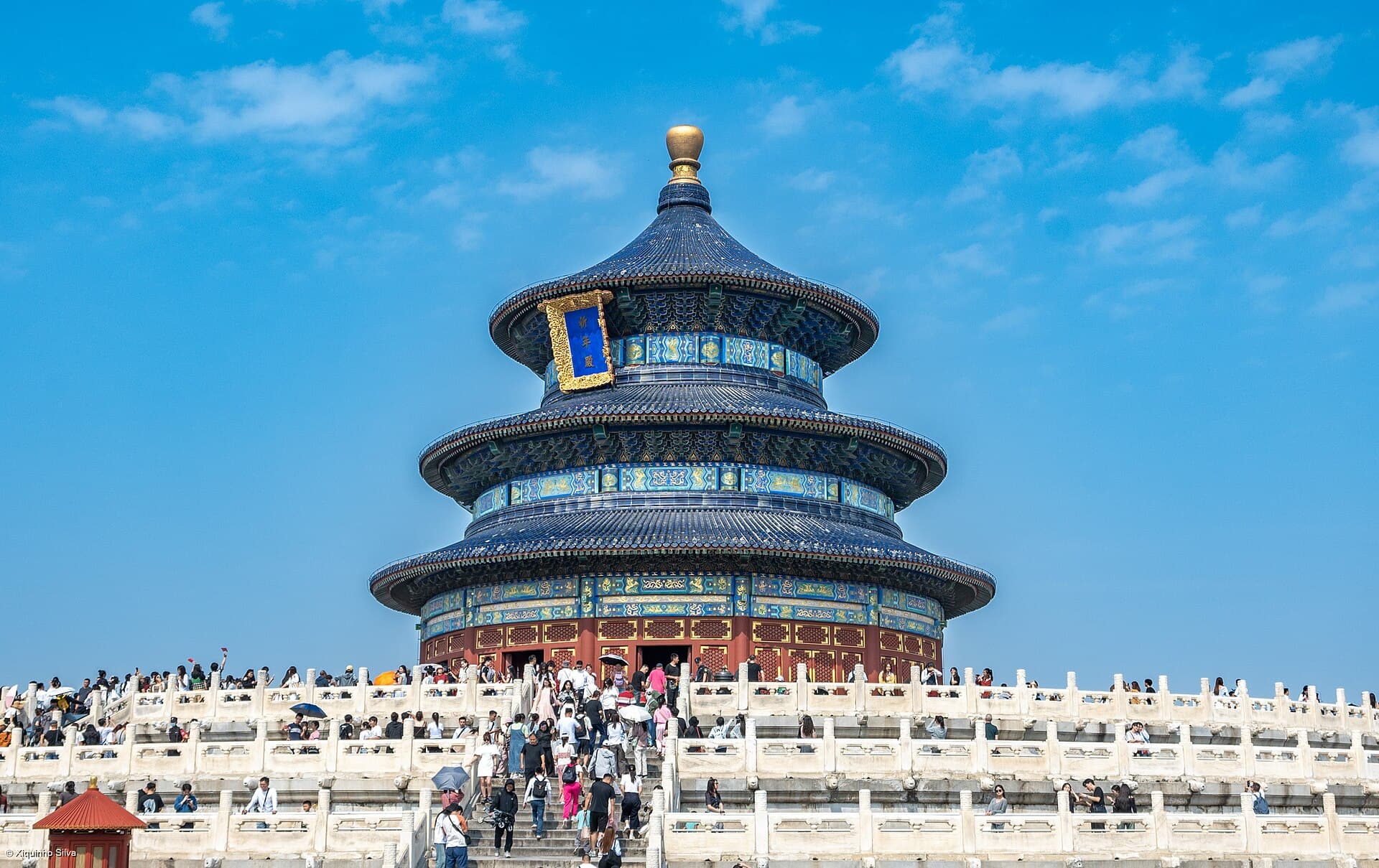
Use the second day for southern central Beijing. Temple of Heaven works best when you are not squeezing it between two far-apart sights. Go in the morning, walk slowly through the park and main altar area, then continue toward Qianmen or Dashilar for a street-level Beijing contrast.
Qianmen is touristy, but it is useful: food, old storefronts, easy walking, and a clear sense of Beijing's central axis. If you want a richer evening, head back toward a hutong area for dinner instead of trying to add another major ticketed attraction.
Day 3: Summer Palace or the Great Wall
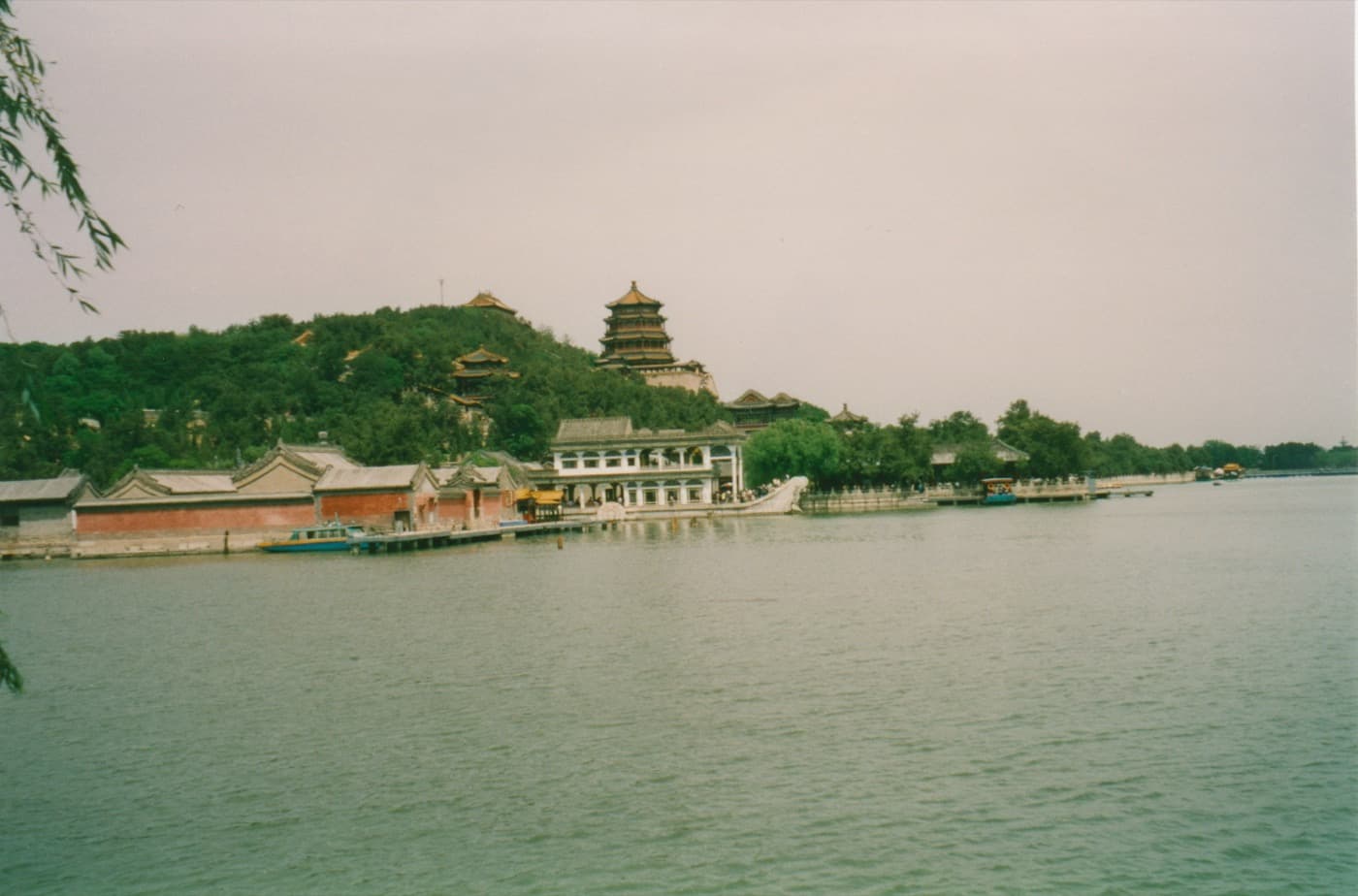
Your third classic day depends on what you came for. If you want an imperial garden, water, pavilions, long corridors, and a slower city day, choose the Summer Palace. It is large enough to reward a half day or more, especially if you are tired from the central-axis route.
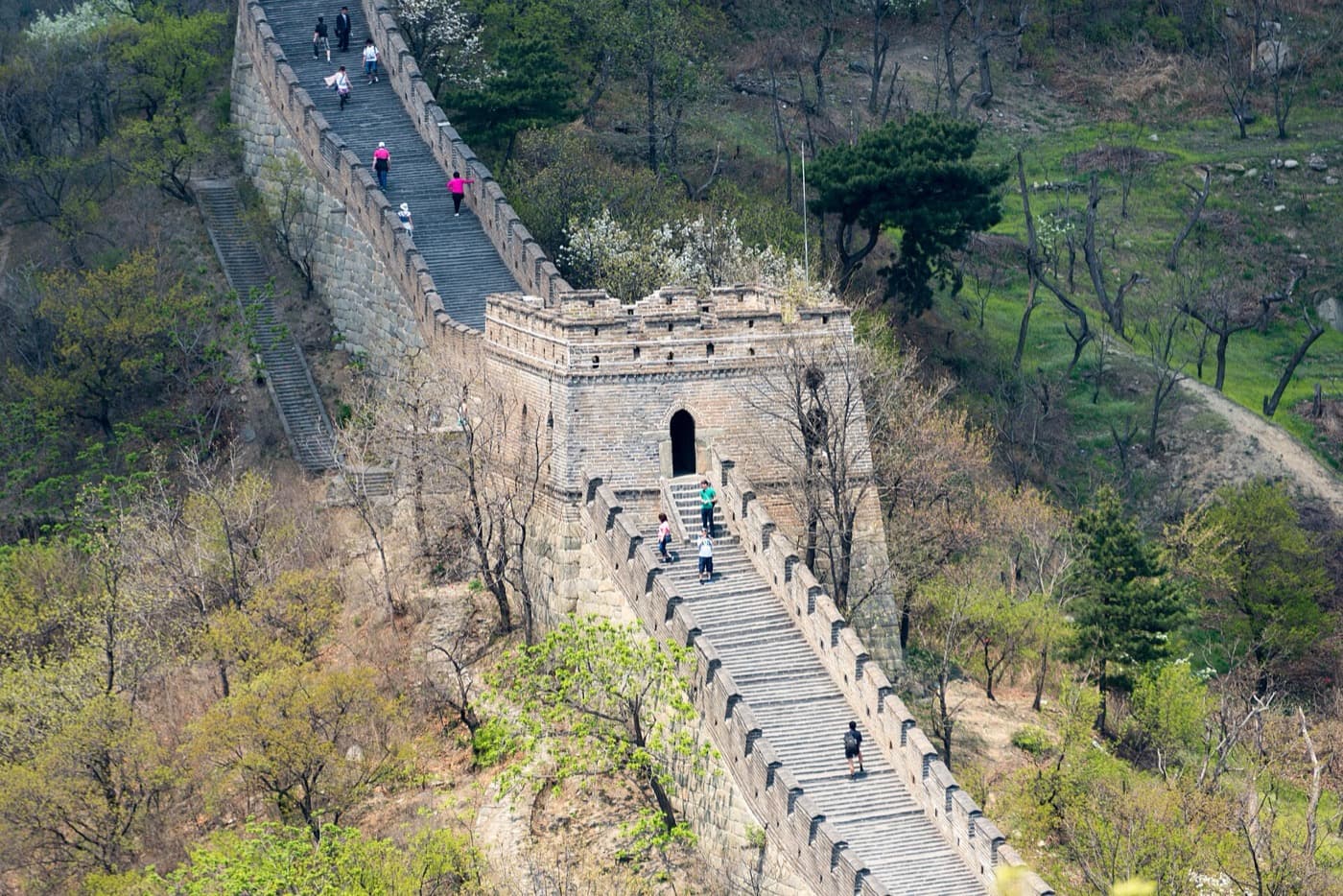
If the Great Wall is non-negotiable, make it the main event instead of an afterthought. Mutianyu is often the more comfortable first-time choice, while Badaling is famous and rail-connected but can feel more crowded. Either way, treat it as a full-day rhythm once transport, tickets, weather, and recovery are included.
Five days: add a museum day and a real hutong evening
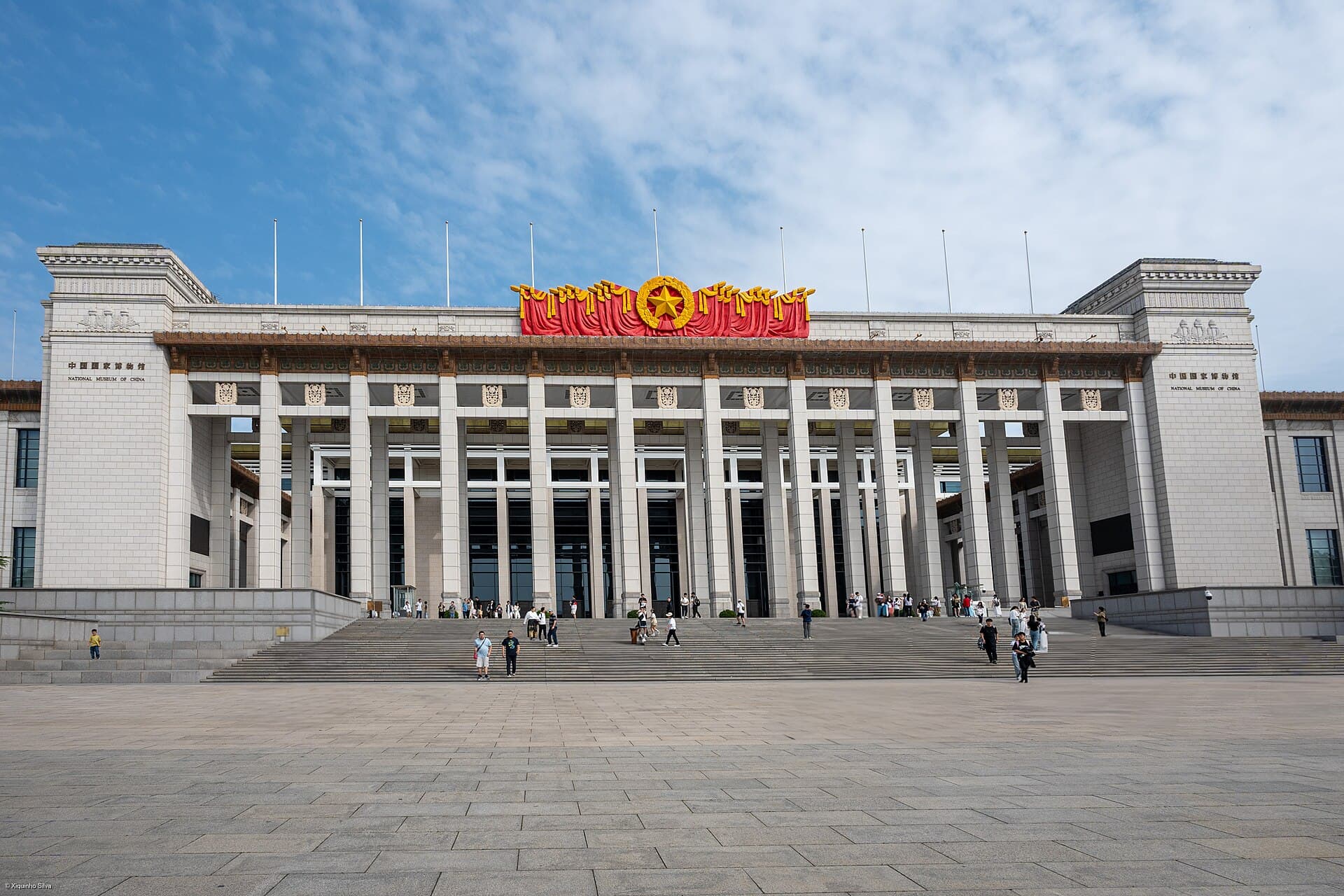
With five days, Beijing becomes more humane. Keep the three classic days, then add one museum-heavy day and one old-city neighborhood day. The National Museum, Capital Museum, art spaces, or a special exhibition can make sense depending on what is open and what you can reserve.
Use the hutong day to wander rather than collect pins. Dongsi, Gulou, Shichahai, Nanluoguxiang side streets, cafes, small restaurants, courtyard hotels, and evening lakeside walks are more interesting when you stop trying to measure them like monuments.
Seven days: add the Great Wall properly and one flexible day
With a week, add the Great Wall without rushing and protect one flexible day. The flexible day is not wasted. It absorbs rain, sand, jet lag, sold-out tickets, a slow morning, or the moment you realize you want to revisit a neighborhood instead of chasing another landmark.
A strong seven-day shape is: imperial core, southern classics, Summer Palace, museum day, hutong/cafe day, Great Wall day, flexible day. If you want a near-suburb add-on like Xiangshan, Ming Tombs, or Gubei Water Town, borrow from that flexible day rather than crushing the classic route.
What not to do
Do not copy a list of Beijing highlights into one impossible day. Do not assume every attraction takes only the time shown on a map. Do not ignore Monday closures, passport reservations, subway exits, security lines, or rush-hour road traffic.
The best Beijing itinerary gives you a big historical arc, then lets the city breathe. One palace, one park, one lake, one street, one meal you actually enjoy: that often leaves a stronger memory than six exhausted check-ins.