Beijing / Local Culture
Beijing After the Forbidden City: 798, UCCA and the Capital's Creative Side
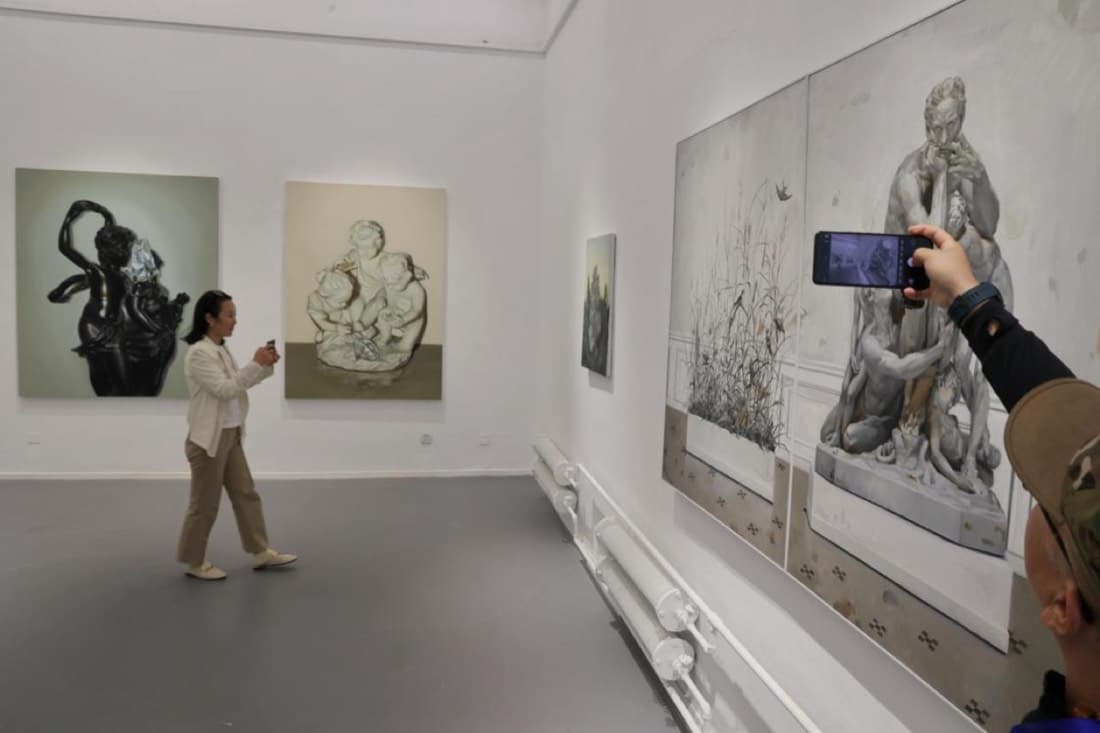
Beijing is not only an old capital. Its contemporary art scene is one of the best reasons to give the city an extra day: factory galleries, international institutions, private museums, art fairs, cafe courtyards, design shops, and exhibition calendars that change the mood of entire districts. If palaces tell you what Beijing inherited, 798 tells you what the city keeps arguing with.
Why contemporary art belongs in the Beijing itinerary
Beijing's imperial sights can make the city feel ancient and fixed. Its art scene does the opposite. It shows a Beijing of studios, curators, collectors, private museums, factory conversions, international exchange, and young visitors moving between exhibitions and coffee.
National Geographic's 2026 Beijing coverage highlights the city beyond only classic monuments, while official Beijing pages show how large the current art calendar has become. For a Western visitor, contemporary art is one of the cleanest ways to see Beijing as a present-tense city.
798/751: start with the district, not one museum
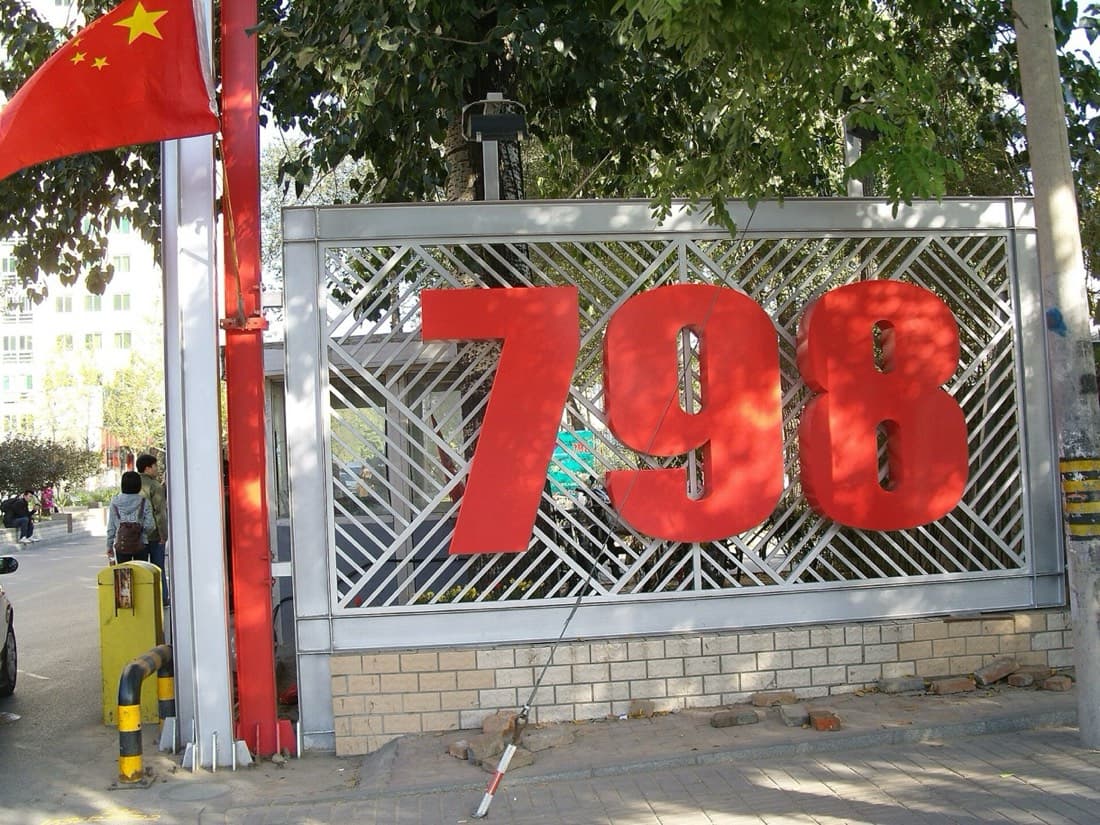
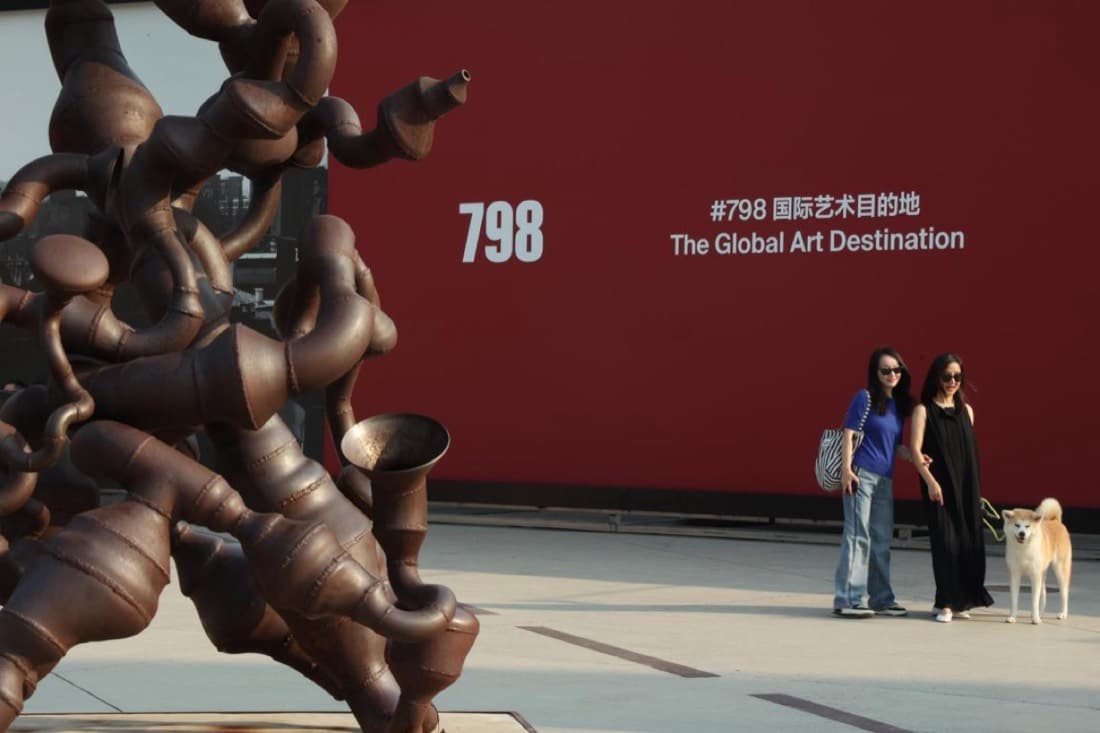
Official Beijing listings describe 798/751 as a zone of more than 500,000 square meters with hundreds of entities across art, design, film, culture, fashion, music, technology, and creative commerce. Entry to the zone itself is free, while individual exhibitions may require tickets or reservations.
That means the best first visit is exploratory. Pick one anchor exhibition, then wander. Industrial pipes, old factory halls, cafes, bookstores, sculptures, design stores, and side galleries are part of the experience.
UCCA: the serious anchor in 798
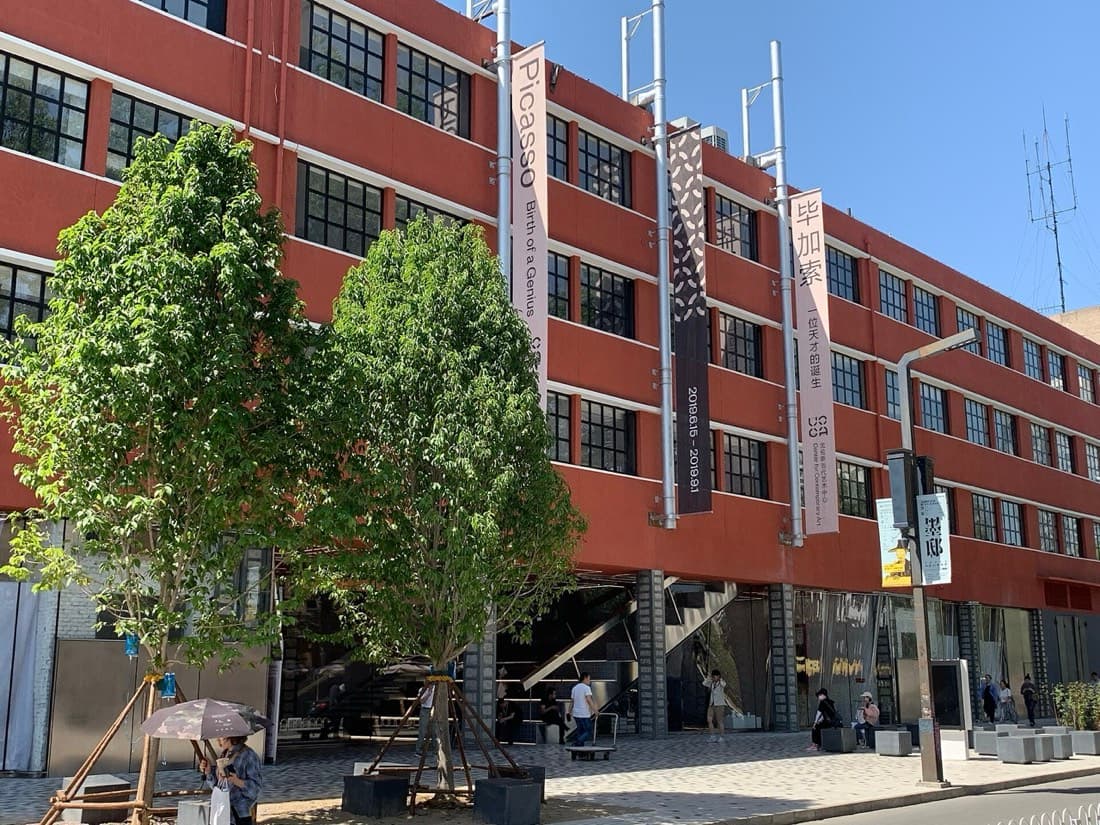
UCCA is the easiest institution to build around because it has a clear visitor structure, regular exhibitions, public programs, a store, and an international profile. Its official site places UCCA Beijing inside 798 at No. 4 Jiuxianqiao Road, with current hours and ticket information updated online.
If you only have one museum stop in 798, make it UCCA or whichever institution has the exhibition that most interests you. Then use the rest of the district for texture rather than rushing to collect names.
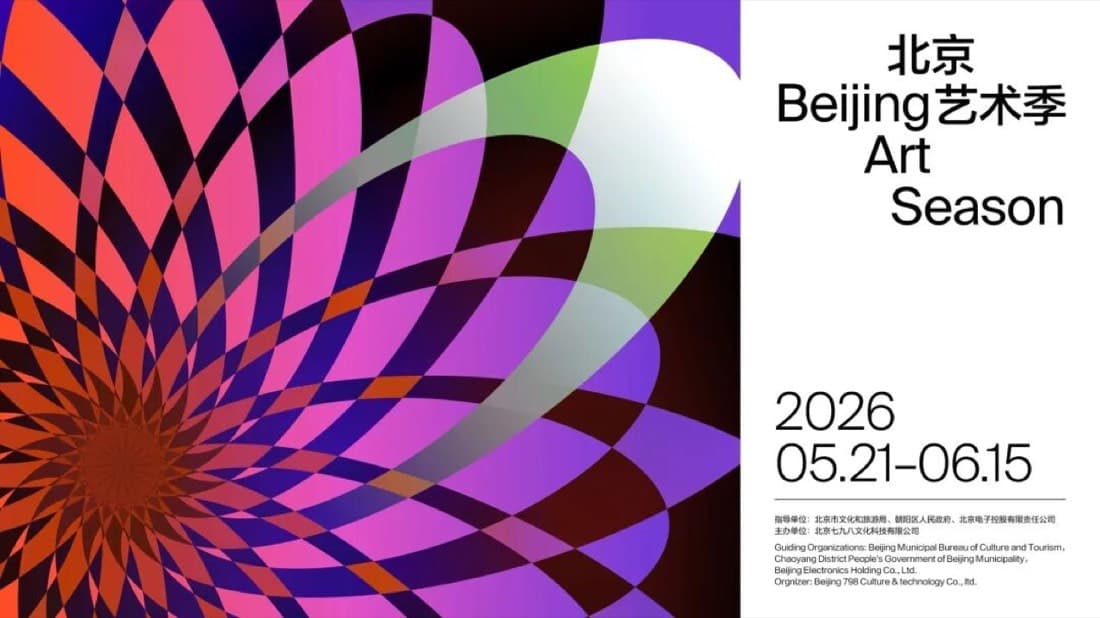
Gallery Weekend and Beijing Dangdai: when timing matters
The 2026 Beijing Art Season is scheduled to run from May 21 to June 15, with official Beijing reporting naming Gallery Weekend Beijing and Beijing Dangdai Art Fair as two core sub-events. It also describes hundreds of participating art institutions and more than 400 featured sub-events.
For art-focused travelers, this is the kind of timing that changes a trip. Instead of one nice afternoon in 798, you can catch openings, talks, special exhibitions, art fairs, and a stronger citywide audience.
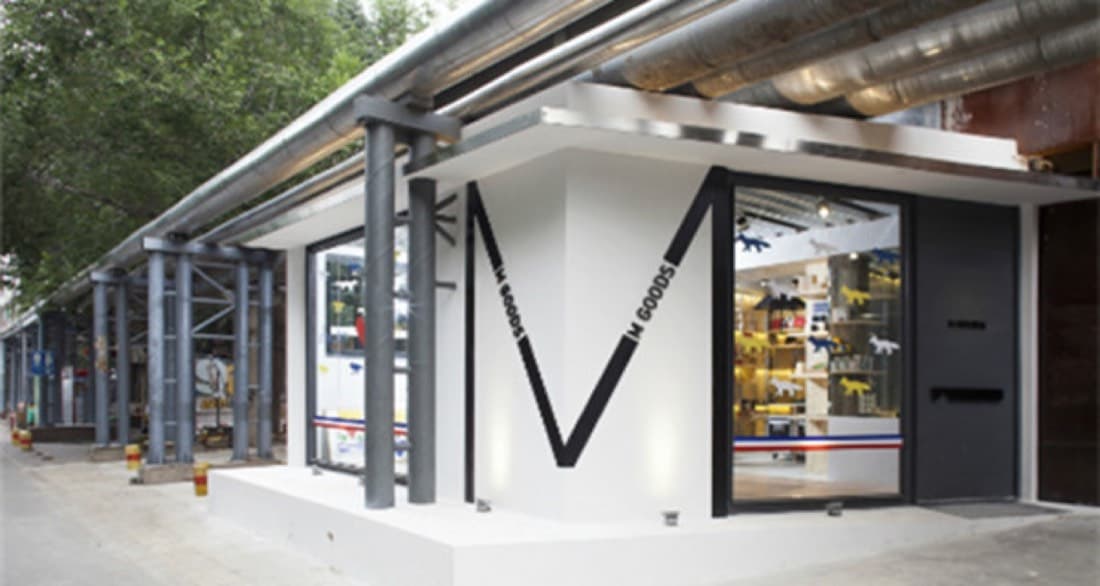
M Woods and the private-museum layer
M Woods adds another flavor to the Beijing art ecology: private museum energy, younger branding, and a 798 presence that appeals to visitors who like contemporary art to feel less institutional. Its official profile describes M Woods Museum as supporting contemporary art within local communities across China.
The practical move is to check M Woods, UCCA, and nearby galleries before you go, then choose by exhibition rather than name alone. In contemporary art, the current show matters more than the permanent reputation.
How to plan an art day without wasting half of it
A strong first art day is simple: late morning arrival at 798, one anchor museum, lunch or coffee, side galleries and shops, then Sanlitun or Liangma River for the evening. If Beijing Art Season or Gallery Weekend is active, check the schedule the night before and prioritize events with fixed times.
Do not combine 798, Caochangdi, Shunyi galleries, M Woods Dongcheng, and a central museum unless you are intentionally doing an art marathon. Beijing distances are real. Let the district breathe.